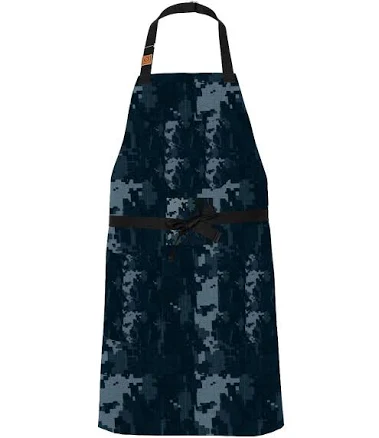
Ripstop Apron
Ripstop aprons commonly use water-repellent coating coatings that may contain legacy PFAS.
Ripstop fabric aprons typically get water-repellent coating treatment to resist stains and moisture, traditionally using PFAS-based chemistry though some brands now use PFAS-free alternatives. This brand discloses nothing.
Still want this one anyway? Check the price on Amazon. We’d swap it.
Material
Ripstop nylon with water-repellent coating (water-repellent coating) treatment
Brand disclosure
Brand is silent on PFAS
Lab data
No public lab test
You may also be interested in
Top-graded picks in the categories readers replace first, every one scored on the same rubric.

- polypropylene filter housing, carbon/sediment cartridge
- We found no PFAS statement from the brand
- Bacterial growth in spent cartridges
3 hazards checked on this product, all on its full breakdown.

Aquasure
Premier Series 75 GPD Under Sink Reverse Osmosis Water Filtration System
- RO membrane, carbon filters, stainless steel housing
- We found no PFAS statement from the brand
- Bacterial and microbial growth in housing and filters
4 hazards checked on this product, all on its full breakdown.

Avocado
Vegan Mattress
- organic cotton, natural latex, coconut coir, recycled steel coils
- The brand calls it PFAS-free, which we have not verified
- Heavy metals
2 hazards checked on this product, all on its full breakdown.
What Ripstop Apron is made of, ingredients and materials
Ripstop nylon is a lightweight, tear-resistant synthetic fabric commonly used in work aprons because of its durability and water-shedding properties. The water-repellent coating (water-repellent coating) coating applied to ripstop nylon is the material of concern here; water-repellent coating treatments historically relied on PFAS "forever chemicals" (PFAS) to achieve water resistance, though some manufacturers have shifted to formulations not a material linked to PFAS. The brand does not publicly disclose whether their water-repellent coating contains legacy PFAS, fluorine-free alternatives, or paraffin-based repellents. This silence is the primary safety flag for this product.
What’s concerning
Category baseline
The starting point for this type of product, before anything specific to this product is counted.
No PFAS disclosure
No public statement from the brand about PFAS in this product.
Waterproof / stain-resistant treatment
Water-repellent coating treatments have historically used PFAS.
water-repellent coating (fluorinated or paraffin) leachability
Ripstop apron's water-repellent finish may contain PFAS or other persistent coating chemicals; undisclosed formulation prevents assessment of leaching risk during wear or laundering.
Coating degradation and microfiber shed
Over time, repeated washing and wear may cause the water-repellent coating to peel or flake; extent of shed and any toxicity depend on coating composition, which is undisclosed.
What’s reassuring
Formaldehyde / VOCs
Ripstop nylon typically does not use formaldehyde-heavy resins common in cotton textiles; no evidence of formaldehyde resin treatment in nylon ripstop construction.
Source, ATSDR ↗Heavy metals
No public recalls or complaints regarding dye toxicity or color fastness issues in aprons; ripstop aprons are rarely dyed in bright azo-risk colors.
Source, FDA ↗Antimony in polyester blends
This apron is nylon-based, not polyester; antimony catalyst risk does not apply to ripstop nylon fabrics.
How is this PFAS grade calculated?
The brand's record and disclosure
The brand has no publicly available safety certifications, PFAS commitment statements, or material transparency disclosures indexed in consumer safety databases or third-party standards bodies (e.g., Oeko-Tex, bluesign). The brand does not appear to market PFAS-free water-repellent coating treatment as a selling point, which is a neutral indicator but not reassuring given industry trends toward disclosure. No recalls or safety controversies specific to this brand are on record in the CPSC database or consumer complaint archives.
How it compares in its category
Ripstop aprons are a standard work category. Competitors vary widely, some brands (e.g., higher-end outdoor/workwear lines) explicitly market PFAS-free water repellency, while many budget and mid-range ripstop aprons remain silent on water-repellent coating chemistry, suggesting use of legacy PFAS coatings. Occupies the undisclosed middle ground, offering no competitive transparency advantage over generic ripstop alternatives. If PFAS legacy coating is a concern for you, this product offers no assurance of avoidance.
If you buy it
Wear the apron as intended without heating it (ripstop nylon has no heat degradation risk in normal kitchen or workshop use). Wash separately in cool water using mild detergent; avoid high-temperature drying. If you have skin sensitivity or live in a PFAS-contaminated water zone, note that the water-repellent coating is designed to shed water and should not leach significantly under normal wear. Replace the apron when the fabric tears or coating visibly degrades (typically 2-3 years of regular use), not for chemical reasons but for functional durability.
What is not known about PFAS in this product?
- Basis
- Model estimate, 45% confidence, not a lab result
- Lab test
- None on record for this exact product
- Brand statement
- has made none
Formulations change between production runs, so check the current label. How we grade.
What are the PFAS-free alternatives to Ripstop Apron?
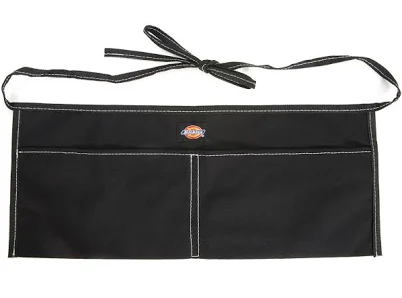
- 100% canvas cotton, uncoated
- We found no PFAS statement from the brand
- Formaldehyde / VOCs
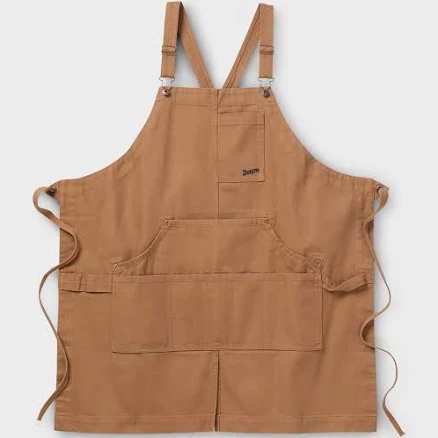
- 100% cotton canvas (Fire Hose fabric)
- Azo dyes (synthetic dye residue)
2 hazards checked on this product, all on its full breakdown.
Find an alternative on Amazon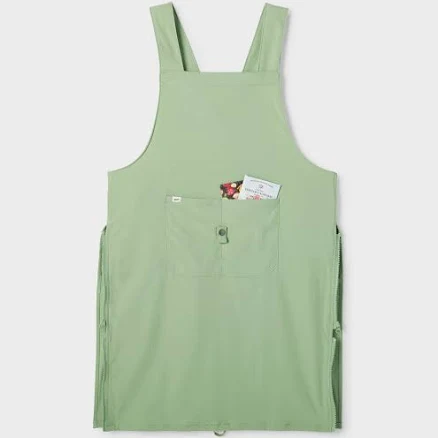
- Cotton canvas apron, no waterproof or stain-resistant coating disclosed
- Azo dyes and color fugacity
3 hazards checked on this product, all on its full breakdown.
Find an alternative on AmazonMore work aprons grades
How we score, every product runs through the same public 0-100 rubric based on materials, coatings, brand disclosure, lab findings, and recalls. See the full methodology → Spotted a mistake? Report an error.