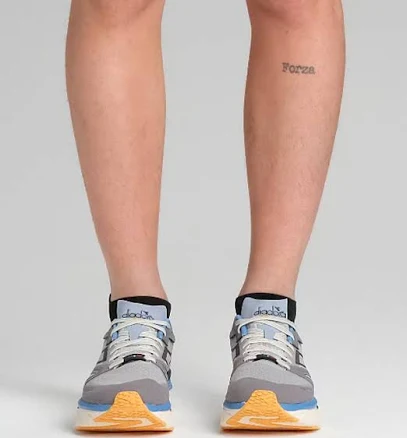
Diadora · Running & Athletic Shoes
Diadora Atomo V7000-2
No public PFAS disclosure; lower concern but unverified.
Diadora does not publicly disclose PFAS use in this shoe model. Standard athletic footwear textiles carry moderate risk if treated with water-resistant coatings, but no specific treatment confirmed.
Still want this one anyway? Check the price on Amazon. We’d swap it.
Material
Textile fabric, likely polyester or nylon blend
Brand disclosure
Brand is silent on PFAS
Lab data
No public lab test
You may also be interested in
Top-graded picks in the categories readers replace first, every one scored on the same rubric.

- polypropylene filter housing, carbon/sediment cartridge
- We found no PFAS statement from the brand
- Bacterial growth in spent cartridges
3 hazards checked on this product, all on its full breakdown.

Aquasure
Premier Series 75 GPD Under Sink Reverse Osmosis Water Filtration System
- RO membrane, carbon filters, stainless steel housing
- We found no PFAS statement from the brand
- Bacterial and microbial growth in housing and filters
4 hazards checked on this product, all on its full breakdown.

Avocado
Vegan Mattress
- organic cotton, natural latex, coconut coir, recycled steel coils
- The brand calls it PFAS-free, which we have not verified
- Heavy metals
2 hazards checked on this product, all on its full breakdown.
What Diadora Atomo V7000-2 is made of, ingredients and materials
The Diadora Atomo V7000-2 is a performance athletic shoe constructed from synthetic textile blends, most likely polyester or nylon or a mix of both. Polyester and nylon are petroleum-derived thermoplastics that do not inherently leach toxic chemicals during normal wear, but the dyes, finishes, and adhesives used in assembly can introduce hazards. Athletic footwear typically undergoes chemical finishing for water repellency, durability, and color fastness, which is where regulated and unregulated chemicals enter the product.
What’s concerning
Category baseline
The starting point for this type of product, before anything specific to this product is counted.
No PFAS disclosure
No public statement from the brand about PFAS in this product.
Azo dyes and synthetic dyes
Polyester and nylon textiles in athletic shoes are typically dyed with azo or reactive dyes. Poorly restricted azo dyes can release carcinogenic amines under sweat or UV exposure, though EU and most major markets restrict the most hazardous compounds. No public testing data for this specific product exists.
Formaldehyde / VOCs
Athletic textiles often receive wrinkle-resistance, color-fastness, or water-repellent finishes using formaldehyde resins or formaldehyde-releasing compounds. Exposure during wear is typically low if ventilated, but prolonged contact with damp textiles stored in closed spaces can release formaldehyde odor. No specific Diadora testing is public.
Source, ATSDR ↗Antimony in polyester fibers
Polyester production sometimes uses antimony trioxide as a catalyst. Antimony is a suspected carcinogen and can leach from textiles, especially at elevated temperatures or in acidic sweat environments. Risk is generally low during normal wear, but no brand-specific testing is available.
Adhesive and rubber off-gassing
Shoe assembly involves polyurethane adhesives, rubber soles, and foam cushioning, all of which can off-gas volatile organic compounds (VOCs) when new. Odor typically indicates off-gassing and diminishes within days to weeks. Ventilation and pre-washing reduce exposure; this is typical for new athletic footwear across brands.
What’s reassuring
Base material not linked to PFAS
The main material recorded for this product is not one associated with PFAS.
Heavy metals
No documented recalls or testing data for Diadora footwear show lead, cadmium, or chromium in dyes or inks. This hazard is monitored under EU and US regulations; absence of public incidents suggests compliance, but verification depends on Diadora's supplier audits, which are not disclosed.
Source, FDA ↗How is this PFAS grade calculated?
The brand's record and disclosure
Diadora is an Italian sportswear company with a moderate public profile on chemical safety. The brand has not published a comprehensive chemical disclosure statement or signed onto major transparency initiatives like the Detox Campaign or ZDHC roadmap, which is typical of mid-tier athletic brands. No major safety recalls or contamination incidents are on public record for Diadora footwear. The brand's silence on PFAS and heavy metal testing suggests either lack of third-party verification or intentional non-disclosure, which is common but leaves consumers without verification data.
How it compares in its category
This product sits in the standard athletic footwear market segment. Major brands like Nike, Adidas, and Salomon have published chemical restriction lists and supply-chain audits; Diadora does not, placing it below premium transparency tiers but aligned with many regional and secondary-tier athletic brands. Athletic textiles as a category carry consistent, low-to-moderate risk when used as intended; the risks are not unique to Diadora but rather typical of the category.
If you buy it
Wash new shoes before extended wear to remove loose dyes and finishing chemicals. Store in a dry, ventilated space to prevent mold and bacterial growth in the textile and cushioning. Do not machine-wash at high temperatures, as heat can accelerate degradation of adhesives and elastic components. Replace when cushioning compresses, tread wears flat, or seams separate, typically 300-500 miles of use for athletic footwear.
What is not known about PFAS in this product?
- Basis
- Model estimate, 45% confidence, not a lab result
- Lab test
- None on record for this exact product
- Brand statement
- Diadora has made none
Formulations change between production runs, so check the current label. How we grade.
More running & athletic shoes grades
How we score, every product runs through the same public 0-100 rubric based on materials, coatings, brand disclosure, lab findings, and recalls. See the full methodology → Spotted a mistake? Report an error.