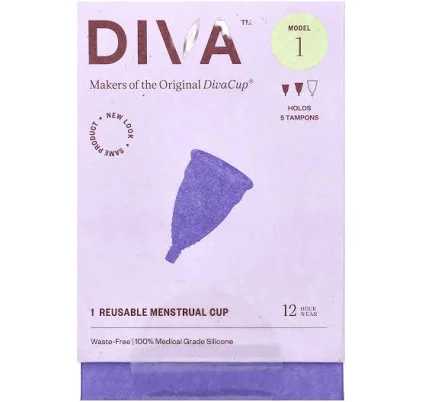
Diva Cup #1 Pre-Childbirth
Lower PFAS concern since silicone menstrual cups rarely need fluorinated treatments, but no explicit brand disclosure.
The Diva Cup is medical-grade silicone, not typically associated with PFAS use in manufacturing or application. No water-repellent, grease-resistant, or stain-resistant treatments are publicly disclosed. Diva doesn't claim PFAS-free status, but the material profile and product function carry lower inherent PFAS risk.
We flunk more products than we pass. This one earned its grade. How we grade
Material
Medical-grade silicone (body); no reported coatings or treatments
Brand disclosure
Brand is silent on PFAS
Lab data
No public lab test
You may also be interested in
Top-graded picks in the categories readers replace first, every one scored on the same rubric.

- polypropylene filter housing, carbon/sediment cartridge
- We found no PFAS statement from the brand
- Bacterial growth in spent cartridges
3 hazards checked on this product, all on its full breakdown.

Aquasure
Premier Series 75 GPD Under Sink Reverse Osmosis Water Filtration System
- RO membrane, carbon filters, stainless steel housing
- We found no PFAS statement from the brand
- Bacterial and microbial growth in housing and filters
4 hazards checked on this product, all on its full breakdown.

Avocado
Vegan Mattress
- organic cotton, natural latex, coconut coir, recycled steel coils
- The brand calls it PFAS-free, which we have not verified
- Heavy metals
2 hazards checked on this product, all on its full breakdown.
What Diva Cup #1 Pre-Childbirth is made of, ingredients and materials
The Diva Cup #1 is constructed from medical-grade silicone, a synthetic elastomer chosen specifically because it resists degradation, leaching, and bacterial colonization over extended use. Unlike latex or plastics, medical-grade silicone has no plasticizers (like phthalates) or BPA to migrate into bodily fluids, and it remains chemically stable across the normal body-temperature range. The material contains no glazes, enamels, or coatings that can chip or degrade; the hazard profile is driven almost entirely by the bulk material itself, which has been in clinical use for decades in implants and devices.
What’s concerning
Category baseline
The starting point for this type of product, before anything specific to this product is counted.
No PFAS disclosure
No public statement from the brand about PFAS in this product.
Biofilm and bacterial growth (maintenance-dependent)
Silicone itself is biologically inert, but menstrual cups create a warm, moist internal environment where bacteria and yeast can colonize if the cup is not cleaned or sterilized properly between uses. This is a use-practice hazard, not a material hazard, and is manageable with consistent hygiene.
Degradation due to heat or chemical exposure
Boiling at standard sterilization temperatures (100°C) does not present a documented concern, but prolonged exposure to bleach, peroxide-based cleaners, or direct flame can soften or degrade medical-grade silicone. Users who exceed recommended care protocols may accelerate material breakdown and potential microparticle release.
Allergic sensitization to silicone or additives
Allergic reactions to medical-grade silicone are extremely rare but documented in the medical literature, primarily among individuals with pre-existing latex or silicone hypersensitivity. The Diva Cup does not disclose all additives (e.g., colorants, vulcanization agents), so a complete allergen profile is not publicly available.
Loss of seal or structural integrity over time
Users have reported cup degradation after years of use, including loss of flexibility or suction seal, typically after 5+ years or if washed in dishwashers or exposed to high heat. This is normal wear, not a safety defect, but may indicate need for replacement to prevent leakage rather than contamination risk.
What’s reassuring
Base material not linked to PFAS
The main material recorded for this product is not one associated with PFAS.
Leaching from silicone (oligomers)
Medical-grade silicone can release small oligomeric (short-chain) siloxane compounds, but these are not known to accumulate in bodily tissues and have not been linked to adverse health outcomes in the published literature on medical devices. No reports of harm from Diva Cup use exist in public records.
How is this PFAS grade calculated?
The brand's record and disclosure
Diva Cup has maintained a publicly available materials transparency page and states use of medical-grade silicone without additional coatings or treatments. The brand has not faced recalls related to chemical contamination or material failure in publicly available records. However, Diva Cup has not published third-party test results for PFAS, heavy metals, or volatile organic compounds, and does not advertise independent certifications (e.g., from NSF or similar bodies). This silence on independent verification is a gap, though absence of reported harm does not indicate presence of hazard.
How it compares in its category
Menstrual cups are among the lowest-risk internal menstrual products from a chemical standpoint because they avoid the absorbent materials (rayon, cotton blends) and adhesives found in tampons and pads, which can harbor residual pesticides, dioxins, or formaldehyde releasers. Most medical-grade silicone cups (Diva, Lena, Saalt, Flex) share similar material profiles. The Diva Cup #1 is sized for pre-childbirth users and is priced competitively; it does not stand out as chemically superior or inferior to peer products based on available data.
If you buy it
Rinse thoroughly with water before first use; wash with mild soap and water after each removal, and sterilize by boiling for 5-10 minutes at the end of each cycle or per brand instructions. Do not expose to direct flame, bleach, or petroleum-based lubricants, which can degrade silicone over time. Replace if the cup becomes sticky, discolored, or develops odor that does not wash out, as these may signal material breakdown or biofilm accumulation. Store in a breathable cloth pouch; avoid sealed plastic bags that can trap moisture.
What is not known about PFAS in this product?
- Basis
- Model estimate, 78% confidence, not a lab result
- Lab test
- None on record for this exact product
- Brand statement
- Diva Cup has made none
Formulations change between production runs, so check the current label. How we grade.
What are the PFAS-free alternatives to Diva Cup #1 Pre-Childbirth?
- medical-grade silicone
- A third party reports verifying it as PFAS-free
- Silicone degradation or leaching from improper cleaning agents
3 hazards checked on this product, all on its full breakdown.
More menstrual cups grades
How we score, every product runs through the same public 0-100 rubric based on materials, coatings, brand disclosure, lab findings, and recalls. See the full methodology → Spotted a mistake? Report an error.