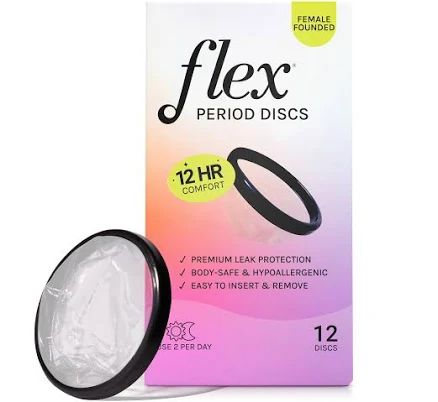
Flex Menstrual Discs
Lower concern since silicone-based period product has no known PFAS risk, but brand provides no transparency.
Flex menstrual discs are medical-grade silicone, not typically associated with PFAS content. The brand doesn't disclose PFAS testing or make PFAS-free claims. Silicone carries lower concern for PFAS contamination compared to coated or treated materials.
We flunk more products than we pass. This one earned its grade. How we grade
Material
Medical-grade silicone
Brand disclosure
Brand is silent on PFAS
Lab data
No public lab test
You may also be interested in
Top-graded picks in the categories readers replace first, every one scored on the same rubric.

- polypropylene filter housing, carbon/sediment cartridge
- We found no PFAS statement from the brand
- Bacterial growth in spent cartridges
3 hazards checked on this product, all on its full breakdown.

Aquasure
Premier Series 75 GPD Under Sink Reverse Osmosis Water Filtration System
- RO membrane, carbon filters, stainless steel housing
- We found no PFAS statement from the brand
- Bacterial and microbial growth in housing and filters
4 hazards checked on this product, all on its full breakdown.

Avocado
Vegan Mattress
- organic cotton, natural latex, coconut coir, recycled steel coils
- The brand calls it PFAS-free, which we have not verified
- Heavy metals
2 hazards checked on this product, all on its full breakdown.
What Flex Menstrual Discs is made of, ingredients and materials
Flex Menstrual Discs are constructed from medical-grade silicone, a synthetic polymer known for chemical stability and low leaching potential in body-contact applications. Medical-grade silicone does not contain BPA, BPS, or phthalates by design, and does not degrade into microplastics under normal use conditions (room temperature, no heating). Unlike latex or lower-grade rubbers, this material is chemically inert at vaginal pH and body temperature, with lower concern for leaching at prolonged internal contact compared to many cup competitors.
What’s concerning
Category baseline
The starting point for this type of product, before anything specific to this product is counted.
No PFAS disclosure
No public statement from the brand about PFAS in this product.
Silicone degradation and particulate shedding
Medical-grade silicone is stable under normal use, but micro-tears from insertion friction or long-term flexing may shed trace amounts of silicone particles. No clinical data on Flex products specifically; risk remains theoretical and lower than lower-grade elastomers.
Allergen/irritant sensitivity to silicone additives
Silicone manufacturing may involve trace residual catalysts or plasticizers; individuals with silicone sensitivity (rare) may experience localized irritation. Flex has not published processing residue specifications or patch-testing data.
Bacterial colonization from improper cleaning
Any reusable menstrual device poses low but documented risk of bacterial overgrowth if not rinsed thoroughly between cycles. This is a use-hygiene issue, not a material defect; proper care mitigates risk significantly.
Off-gassing or odor from manufacturing residues
New silicone products may emit subtle odors from curing agents or mold release compounds; this typically dissipates within one wash cycle and does not indicate toxicity. Flex does not specify post-manufacturing processing or off-gassing duration.
What’s reassuring
Base material not linked to PFAS
The main material recorded for this product is not one associated with PFAS.
Heavy metals
Medical-grade silicone colorants are typically non-toxic, but Flex has not disclosed pigment sourcing or cadmium/lead testing. Risk is not established in literature for this product class.
Source, FDA ↗How is this PFAS grade calculated?
The brand's record and disclosure
Flex has not published third-party safety testing, material certifications (ISO 10993 biocompatibility), or PFAS testing results; this silence is a notable transparency gap even for a direct-to-consumer brand. The company markets medical-grade silicone as its safety anchor but does not disclose supplier chain vetting, manufacturing facility standards, or independent lab verification. No major product recalls or health complaints have entered public record for Flex Menstrual Discs. The brand's reticence on PFAS and material sourcing does not indicate a known problem, but it limits independent verification.
How it compares in its category
Flex Discs occupy a middle ground between traditional cups (firmer silicone, lower cost, more studied) and disposable disc alternatives (plastic/polymer, single-use waste). Medical-grade silicone menstrual discs present lower concern than lower-cost silicone cups from unvetted suppliers, which may use industrial-grade silicone with higher trace contaminant risk. Compared to plastic-based products or latex-free rubber, Flex's material choice avoids phthalate and latex allergen pathways entirely, positioning it as a low-chemical-hazard option in the reusable category.
If you buy it
Wash with unscented soap and water before first use and after each cycle; avoid oil-based lubricants and harsh cleaners that may degrade silicone over time. Do not boil or autoclave (high heat can compromise seal integrity and surface texture); gentle hand-washing or cold-water soaking is sufficient. Replace after 2-5 years of use or if you notice tearing, sticky residue, or persistent odor that cleaning does not remove. Store in a breathable pouch away from direct sunlight and heat; silicone can absorb odors and minor staining (which does not affect safety) is normal.
What is not known about PFAS in this product?
- Basis
- Model estimate, 72% confidence, not a lab result
- Lab test
- None on record for this exact product
- Brand statement
- Flex has made none
Formulations change between production runs, so check the current label. How we grade.
What are the PFAS-free alternatives to Flex Menstrual Discs?
- medical-grade silicone
- A third party reports verifying it as PFAS-free
- Silicone degradation or leaching from improper cleaning agents
3 hazards checked on this product, all on its full breakdown.
More menstrual cups grades
How we score, every product runs through the same public 0-100 rubric based on materials, coatings, brand disclosure, lab findings, and recalls. See the full methodology → Spotted a mistake? Report an error.