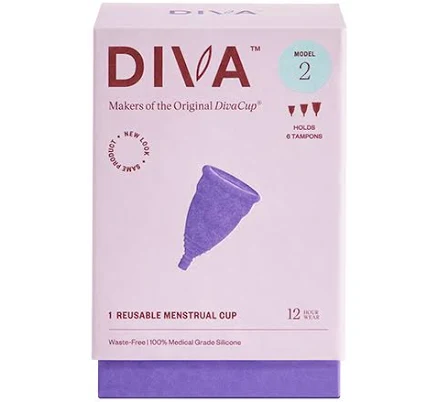
DIVA Cup Model 2
Lower concern. Medical-grade silicone with no Teflon-family coating coatings reported.
Diva Cup Model 2 is made of medical-grade silicone, a material not linked to PFAS, with no Teflon-family coating coatings on record. The brand has no PFAS statement on record and no third-party certifications are listed.
We flunk more products than we pass. This one earned its grade. How we grade
Material
Medical-grade silicone (body); no Teflon-family coating coatings reported
Brand disclosure
Brand is silent on PFAS
Lab data
No public lab test
You may also be interested in
Top-graded picks in the categories readers replace first, every one scored on the same rubric.

- polypropylene filter housing, carbon/sediment cartridge
- We found no PFAS statement from the brand
- Bacterial growth in spent cartridges
3 hazards checked on this product, all on its full breakdown.

Aquasure
Premier Series 75 GPD Under Sink Reverse Osmosis Water Filtration System
- RO membrane, carbon filters, stainless steel housing
- We found no PFAS statement from the brand
- Bacterial and microbial growth in housing and filters
4 hazards checked on this product, all on its full breakdown.

Avocado
Vegan Mattress
- organic cotton, natural latex, coconut coir, recycled steel coils
- The brand calls it PFAS-free, which we have not verified
- Heavy metals
2 hazards checked on this product, all on its full breakdown.
What DIVA Cup Model 2 is made of, ingredients and materials
The Diva Cup Model 2 is manufactured from medical-grade silicone, a synthetic rubber polymer that does not contain BPA, phthalates, or latex. Medical-grade silicone is specifically formulated for biocompatibility and internal body contact, undergoing stricter material standards than consumer-grade silicone. This material class is inherently resistant to leaching under normal vaginal pH and temperature conditions, and does not degrade when exposed to common menstrual-cycle moisture and body heat.
What’s concerning
Category baseline
The starting point for this type of product, before anything specific to this product is counted.
No PFAS disclosure
No public statement from the brand about PFAS in this product.
Silicone degradation and surface microtearing
Medical-grade silicone is durable but can develop microscopic surface tears or stress whitening over years of folding, insertion, and boiling. No documented cases of this causing systemic harm, but compromised surface may increase friction or bacterial colonization risk if left uncleaned.
Bacterial biofilm formation if improperly maintained
Any reusable internal menstrual device carries theoretical risk of pathogenic bacterial or fungal growth if stored wet, cleaned inadequately, or replaced infrequently. Diva Cup is not inherently more or less susceptible than competing silicone cups; risk is user-behavior dependent, not material-dependent.
Vaginal or cervical trauma from improper use
This is a user-technique issue rather than a material hazard; overly firm insertion, incorrect sizing, or prolonged wear can cause tissue irritation independent of cup composition. The Diva Cup offers two sizes but no personalized fit assessment, relying on self-selection.
What’s reassuring
Base material not linked to PFAS
The main material recorded for this product is not one associated with PFAS.
Latex sensitivity cross-reaction (if present)
Diva Cup is latex-free, so risk to latex-allergic users is absent. No documented instances of cross-reactive protein residues from silicone manufacturing.
Heavy metals
Medical-grade silicone is typically additive-free or contains only FDA-approved colorants and stabilizers. No recalls or testing data revealing lead, cadmium, or other heavy metals in Diva Cup products.
Source, FDA ↗How is this PFAS grade calculated?
The brand's record and disclosure
Diva Inc. maintains FDA clearance as a Class II medical device and publishes basic material composition (medical-grade silicone) on its website and product packaging. The company has not voluntarily disclosed independent third-party testing results, toxicology reports, or PFAS testing despite industry movement toward transparency. No product recalls, safety alerts, or documented contamination incidents are on record for the Diva Cup Model 2 since its market entry. The brand's silence on PFAS and other advanced safety certifications (e.g., ISO 10993 biocompatibility detail) reflects a compliance-minimum rather than transparency-forward posture.
How it compares in its category
Menstrual cups made from medical-grade silicone have a lower concern profile as internal period products compared to tampons and pads, which carry risks from bleach residues, dioxins, and synthetic fiber shedding. The Diva Cup sits in the mainstream premium segment; competitors like Saalt, Nixit, and Lunette offer similar silicone formulations with varying disclosure depth. No comparative testing data is publicly available to distinguish silicone purity or leaching profiles between brands, so product choice typically hinges on comfort fit, brand reputation, and price rather than measurable safety differentiation.
If you buy it
Rinse thoroughly with water before first use and after each emptying; do not boil for more than 20 minutes per manufacturer guidance (extended high heat can theoretically stress silicone bonds, though degradation is extremely slow). Replace the cup every 5 years or sooner if you notice surface cracks, discoloration, or persistent odor that cleaning does not resolve. Store in the provided cloth pouch or breathable container when not in use to prevent dust accumulation; avoid prolonged exposure to direct sunlight or extreme heat. If you experience unusual irritation, allergic reaction, or toxic shock symptoms, discontinue use and consult a healthcare provider immediately.
What is not known about PFAS in this product?
- Basis
- Model estimate, 82% confidence, not a lab result
- Lab test
- None on record for this exact product
- Brand statement
- Diva Cup has made none
Formulations change between production runs, so check the current label. How we grade.
What are the PFAS-free alternatives to DIVA Cup Model 2?
- medical-grade silicone
- A third party reports verifying it as PFAS-free
- Silicone degradation or leaching from improper cleaning agents
3 hazards checked on this product, all on its full breakdown.
More menstrual cups grades
How we score, every product runs through the same public 0-100 rubric based on materials, coatings, brand disclosure, lab findings, and recalls. See the full methodology → Spotted a mistake? Report an error.