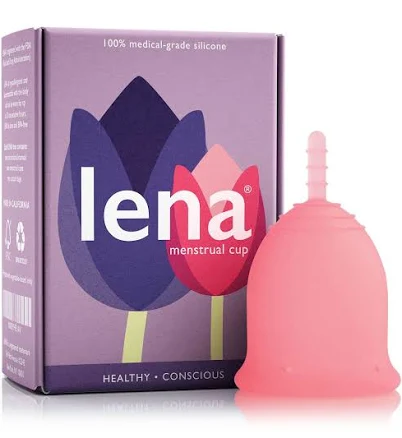
Lena Menstrual Cup - Large-Pink
Lower PFAS concern, silicone cups aren't a typical PFAS vector, but brand transparency is absent.
Lena cups are medical-grade silicone, not typically associated with intentional PFAS use. The brand provides no public PFAS statement on testing or avoidance. No third-party certifications on chemical safety were found. Silicone carries lower inherent PFAS risk compared to coated products.
We flunk more products than we pass. This one earned its grade. How we grade
Material
Medical-grade silicone
Brand disclosure
Brand is silent on PFAS
Lab data
No public lab test
You may also be interested in
Top-graded picks in the categories readers replace first, every one scored on the same rubric.

- polypropylene filter housing, carbon/sediment cartridge
- We found no PFAS statement from the brand
- Bacterial growth in spent cartridges
3 hazards checked on this product, all on its full breakdown.

Aquasure
Premier Series 75 GPD Under Sink Reverse Osmosis Water Filtration System
- RO membrane, carbon filters, stainless steel housing
- We found no PFAS statement from the brand
- Bacterial and microbial growth in housing and filters
4 hazards checked on this product, all on its full breakdown.

Avocado
Vegan Mattress
- organic cotton, natural latex, coconut coir, recycled steel coils
- The brand calls it PFAS-free, which we have not verified
- Heavy metals
2 hazards checked on this product, all on its full breakdown.
What Lena Menstrual Cup - Large-Pink is made of, ingredients and materials
Lena's Large cup is manufactured from medical-grade silicone, a polymer chain backbone resistant to leaching under normal body-temperature vaginal use. Medical-grade silicone does not contain BPA, phthalates, or plasticizers that migrate into fluids, distinguishing it sharply from lower-cost TPE or PVC menstrual products. The material is inert at physiological temperatures and does not off-gas volatile compounds under the brief, low-heat contact conditions of menstrual use.
What’s concerning
Category baseline
The starting point for this type of product, before anything specific to this product is counted.
No PFAS disclosure
No public statement from the brand about PFAS in this product.
Bacterial or mold colonization from improper storage or cleaning
Menstrual cups are high-moisture devices; inadequate drying or storage in sealed containers can promote pathogenic biofilm. Lena provides care instructions but does not test or certify the product against specific bacterial contamination standards post-use.
Allergic contact dermatitis or vulvovaginal irritation from silicone or additives
Silicone itself rarely triggers allergies, but vulvovaginal sensitivity to added surfactants, mold metabolites, or manufacturing residues is individually variable. Lena does not disclose detailed additive chemistry or post-manufacturing cleaning protocols.
Surface degradation and microsilicone particle shedding over time
Extended use beyond 10 years or exposure to high-pH cleaners and UV light can cause microscopic silicone flaking. Lena's product lifespan guidance (5-10 years) aligns with industry norms but the brand does not quantify particle release or test longevity under stress.
Incomplete removal or retention of cup fluid
User error (improper insertion, seal failure, or prolonged wear) can lead to bacterial overgrowth inside the cup or vaginal retention. This is a usage hazard unrelated to material safety but worth noting; Lena's instructions are standard but not exhaustive in troubleshooting.
What’s reassuring
Base material not linked to PFAS
The main material recorded for this product is not one associated with PFAS.
Heavy metals
Medical-grade silicone manufacturers typically avoid cadmium and lead pigments, but Lena does not publish metal-content certifications or pigment sourcing data. No recalls or test failures are on record for this product.
Source, FDA ↗How is this PFAS grade calculated?
The brand's record and disclosure
Lena publishes material certifications (CE marking, FDA classification as Class II medical device in some markets) but provides no independent third-party test reports or detailed PFAS testing results on their website. The brand has not faced publicized safety recalls or contamination incidents in available records. However, the company's silence on PFAS testing, heavy metals screening, or supply-chain transparency is consistent with the broader menstrual product industry's limited disclosure practices.
How it compares in its category
Medical-grade silicone cups (Lena, Saalt, DivaCup, Lunette) are the safety-preferred baseline in the menstrual cup category, outranking cheaper TPE or latex alternatives in chemical stability. Lena's positioning and price point place it in the mid-tier quality segment; it competes directly with other silicone-based brands that similarly lack granular PFAS or heavy-metal test data. No published comparative analysis has identified Lena as a laggard in material safety among silicone peers.
If you buy it
Wash thoroughly with mild soap and water before first use and between each cycle. Store in a breathable pouch (not sealed plastic) to prevent bacterial/mold growth; boil for 5-10 minutes monthly or soak in hydrogen peroxide solution. Replace after 5-10 years or if material shows visible cracks, staining that does not clean, or loss of firmness. Avoid contact with petroleum-based lubricants, oils, or harsh bleach; silicone is resistant but prolonged exposure can degrade surface finish.
What is not known about PFAS in this product?
- Basis
- Model estimate, 78% confidence, not a lab result
- Lab test
- None on record for this exact product
- Brand statement
- Lena has made none
Formulations change between production runs, so check the current label. How we grade.
What are the PFAS-free alternatives to Lena Menstrual Cup - Large-Pink?
- medical-grade silicone
- A third party reports verifying it as PFAS-free
- Silicone degradation or leaching from improper cleaning agents
3 hazards checked on this product, all on its full breakdown.
More menstrual cups grades
How we score, every product runs through the same public 0-100 rubric based on materials, coatings, brand disclosure, lab findings, and recalls. See the full methodology → Spotted a mistake? Report an error.