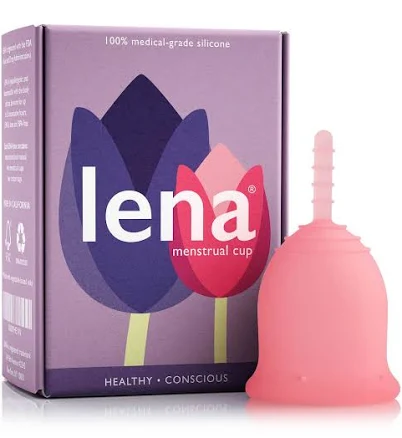
Lena Menstrual Cup
Lower-concern choice since menstrual cup category has minimal PFAS risk, but brand offers no statement.
Lena cups are medical-grade silicone with no reported Teflon-family coating or Teflon-type coating. Menstrual cups don't need water-repellent, stain-resistant, or non-stick coatings that introduce PFAS risk. Lena provides no public PFAS disclosure or third-party verification.
We flunk more products than we pass. This one earned its grade. How we grade
Material
Medical-grade silicone (primary); no reported Teflon-family coating or Teflon-type coating
Brand disclosure
Brand is silent on PFAS
Lab data
No public lab test
You may also be interested in
Top-graded picks in the categories readers replace first, every one scored on the same rubric.

- polypropylene filter housing, carbon/sediment cartridge
- We found no PFAS statement from the brand
- Bacterial growth in spent cartridges
3 hazards checked on this product, all on its full breakdown.

Aquasure
Premier Series 75 GPD Under Sink Reverse Osmosis Water Filtration System
- RO membrane, carbon filters, stainless steel housing
- We found no PFAS statement from the brand
- Bacterial and microbial growth in housing and filters
4 hazards checked on this product, all on its full breakdown.

Avocado
Vegan Mattress
- organic cotton, natural latex, coconut coir, recycled steel coils
- The brand calls it PFAS-free, which we have not verified
- Heavy metals
2 hazards checked on this product, all on its full breakdown.
What Lena Menstrual Cup is made of, ingredients and materials
Lena cups are constructed from medical-grade silicone, a synthetic polymer engineered for biocompatibility and repeated sterilization. Medical-grade silicone is non-porous, chemically inert under normal use conditions, and does not degrade into microparticles or leach additives during menstrual fluid contact. Unlike some lower-cost cups made from generic silicone or thermoplastic rubber, medical-grade material is formulated to withstand autoclaving and boiling without softening, warping, or releasing volatile compounds.
What’s concerning
Category baseline
The starting point for this type of product, before anything specific to this product is counted.
No PFAS disclosure
No public statement from the brand about PFAS in this product.
Bacterial colonization or biofilm growth
If left wet in an unventilated pouch or stored without drying, any silicone cup can develop bacterial odor or mold. This is a use/maintenance issue, not a material defect; proper drying prevents it entirely.
Allergic reaction to silicone or colorants
Silicone allergy is rare but documented in medical literature. Lena cups come in opaque colors (black, clear); no information is published on pigment sourcing or heavy metal content in dyes, but no complaints have been attributed to Lena specifically.
Degradation from improper cleaning or storage
Exposure to oils, silicone-based lubes, or prolonged UV light can cause the silicone to become sticky or lose elasticity. This accelerates cup replacement but does not create immediate toxicity risk.
What’s reassuring
Base material not linked to PFAS
The main material recorded for this product is not one associated with PFAS.
Silicone leaching or off-gassing
Medical-grade silicone used in Lena is stable under normal vaginal conditions and standard sterilization temperatures. No published studies or complaints document harmful leaching from Lena cups specifically.
Microplastic shedding
Medical-grade silicone does not fragment into microparticles under normal use; cups remain structurally intact across their lifespan if properly cared for.
How is this PFAS grade calculated?
The brand's record and disclosure
Lena provides material certifications (FDA cleared as Class II medical device in the US; CE marked in EU) and published care instructions, indicating regulatory engagement. The brand does not publish explicit PFAS testing or sourcing transparency statements, which is standard across most menstrual cup manufacturers. No safety recalls or adverse event notices have been published for Lena cups. The company's silence on PFAS and chemical sourcing is typical for the category but leaves questions about supply-chain ingredient vetting unanswered.
How it compares in its category
Lena occupies the mid-market segment. It competes directly with Saalt, Flex, and Diva Cup, all using medical-grade silicone with similar regulatory pathways. Compared to ultra-budget thermoplastic rubber cups or novelty alternatives, Lena's material choice avoids the leaching and degradation risks of lower-cost polymers. No published data suggests Lena's silicone formulation differs meaningfully in safety profile from other reputable brands in the class.
If you buy it
Boil for 5-10 minutes or use a dedicated sterilizer cup between cycles; do not microwave in liquid or use with bleach, which degrades silicone over time. Replace every 3-5 years or sooner if you notice sticky residue, discoloration, or loss of firmness. Clean with mild soap and warm water daily; avoid silicone-degrading lubricants (oil-based products). Store dry in the provided cloth pouch to prevent dust and UV exposure, which can cause minor brittleness.
What is not known about PFAS in this product?
- Basis
- Model estimate, 78% confidence, not a lab result
- Lab test
- None on record for this exact product
- Brand statement
- Lena has made none
Formulations change between production runs, so check the current label. How we grade.
What are the PFAS-free alternatives to Lena Menstrual Cup?
- medical-grade silicone
- A third party reports verifying it as PFAS-free
- Silicone degradation or leaching from improper cleaning agents
3 hazards checked on this product, all on its full breakdown.
More menstrual cups grades
How we score, every product runs through the same public 0-100 rubric based on materials, coatings, brand disclosure, lab findings, and recalls. See the full methodology → Spotted a mistake? Report an error.