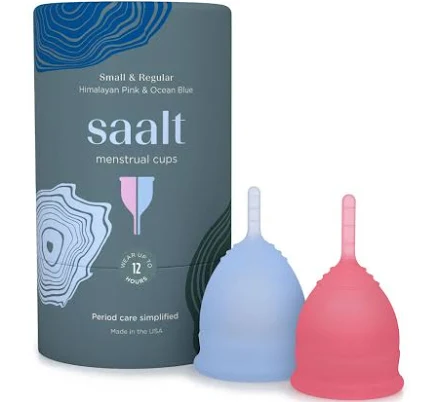
Saalt Menstrual Cup Twin Pack
Lower PFAS concern since silicone cups aren't typical PFAS vectors, but brand discloses nothing.
Saalt cups are medical-grade silicone with no reported coatings and typically aren't treated with PFAS finishes. The brand doesn't disclose PFAS information or hold third-party certifications. Silicone's natural properties don't require water-repellent or grease-resistant treatments.
We flunk more products than we pass. This one earned its grade. How we grade
Material
Medical-grade silicone (primary); no reported coatings
Brand disclosure
Brand is silent on PFAS
Lab data
No public lab test
You may also be interested in
Top-graded picks in the categories readers replace first, every one scored on the same rubric.

- polypropylene filter housing, carbon/sediment cartridge
- We found no PFAS statement from the brand
- Bacterial growth in spent cartridges
3 hazards checked on this product, all on its full breakdown.

Aquasure
Premier Series 75 GPD Under Sink Reverse Osmosis Water Filtration System
- RO membrane, carbon filters, stainless steel housing
- We found no PFAS statement from the brand
- Bacterial and microbial growth in housing and filters
4 hazards checked on this product, all on its full breakdown.

Avocado
Vegan Mattress
- organic cotton, natural latex, coconut coir, recycled steel coils
- The brand calls it PFAS-free, which we have not verified
- Heavy metals
2 hazards checked on this product, all on its full breakdown.
What Saalt Menstrual Cup Twin Pack is made of, ingredients and materials
Saalt cups are constructed from medical-grade silicone, a synthetic polymer chosen specifically for menstrual products because it resists degradation, does not leach estrogenic compounds like BPA, and tolerates repeated heat sterilization. Medical-grade silicone has no reactive surface coatings, glazes, or dyes that typically introduce heavy metals or formaldehyde resins. The material is chemically inert across the pH range and temperature conditions of normal use, making silicone cups fundamentally different from plastic food storage containers or ceramic cookware where leaching is a documented concern.
What’s concerning
Category baseline
The starting point for this type of product, before anything specific to this product is counted.
No PFAS disclosure
No public statement from the brand about PFAS in this product.
Silicone degradation over time
Medical-grade silicone is highly durable but is not permanent; discoloration, loss of elasticity, or surface pitting can occur after 5-10 years of use or with improper storage (exposure to extreme heat, UV, or harsh chemicals). Risk is low under normal use but warrants periodic visual inspection.
Bacterial or mold growth from storage
If stored wet or in sealed non-breathable containers, menstrual cups can harbor bacteria or fungi; this is a maintenance issue, not a material flaw. Saalt includes a cotton pouch designed to avoid this, but user error in storage is a documented concern across the category.
Allergic reaction to silicone or additives
True silicone allergy is extremely rare, but some individuals report irritation or allergic contact dermatitis; this may be due to residual uncrosslinked oligomers or processing aids rather than the silicone polymer itself. Thorough rinsing and boiling before first use minimizes this risk. No specific allergen incidents reported for Saalt brand.
Vaginal irritation from improper fit or insertion
This is a biomechanical rather than chemical hazard; cups that are too firm, too large, or inserted incorrectly can cause tissue irritation. Saalt offers multiple sizes and firmness options, but fit is user-dependent and not a material safety issue unique to this brand.
What’s reassuring
Base material not linked to PFAS
The main material recorded for this product is not one associated with PFAS.
Heavy metals
No public reports of lead, cadmium, or other heavy metal contamination in Saalt or comparable medical-grade silicone menstrual cups. The material source and supplier chain are not fully transparent, but silicone's chemical structure does not inherently accumulate metals as ceramics or glazed cookware can.
Source, FDA ↗How is this PFAS grade calculated?
The brand's record and disclosure
Saalt provides minimal third-party certification data or independent safety testing summaries on its website; the brand does not publish detailed material sourcing, manufacturing origin, or chemical testing reports that competitors like Lunette or Diva Cup sometimes highlight. No product recalls, contamination incidents, or safety complaints have been publicly reported for Saalt menstrual cups. The brand's silence on PFAS and heavy metal testing is a disclosure gap, though it does not indicate an actual hazard given the silicone material class.
How it compares in its category
Medical-grade silicone menstrual cups (Saalt, Diva Cup, Lunette, Flex) represent the lowest-risk category within period products; they avoid the microfiber shedding risk of conventional tampons and pads, the absorbent material fragmentation concerns, and the chemical residues from bleach or dioxin found in some disposable products. Saalt's design and material composition are functionally equivalent to other silicone competitors, with differences mainly in firmness, capacity, and stem shape rather than safety profile. Natural rubber latex cups carry allergy risk for sensitive users; this is not a factor with Saalt's silicone formulation.
If you buy it
Sterilize by boiling in water for 5-10 minutes before first use and after each cycle; do not use bleach, which can degrade silicone over years of use. Store in the breathable cotton pouch provided to prevent mold or bacterial growth in sealed plastic bags. Replace the cup every 5-10 years or immediately if you notice discoloration, odor that doesn't wash away, or visible tears or pitting; degradation is rare with proper care but silicone is not immortal. Avoid prolonged exposure to direct sunlight or heat sources above 60°C when not in use, as extreme conditions can eventually compromise elasticity.
What is not known about PFAS in this product?
- Basis
- Model estimate, 78% confidence, not a lab result
- Lab test
- None on record for this exact product
- Brand statement
- Saalt has made none
Formulations change between production runs, so check the current label. How we grade.
What are the PFAS-free alternatives to Saalt Menstrual Cup Twin Pack?
- medical-grade silicone
- A third party reports verifying it as PFAS-free
- Silicone degradation or leaching from improper cleaning agents
3 hazards checked on this product, all on its full breakdown.
More menstrual cups grades
How we score, every product runs through the same public 0-100 rubric based on materials, coatings, brand disclosure, lab findings, and recalls. See the full methodology → Spotted a mistake? Report an error.