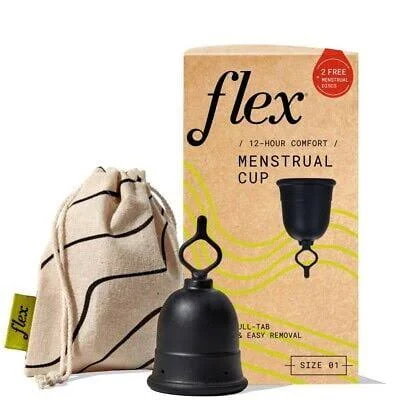
Flex Cup Menstrual Slim Pack of 1
Lower-concern product since silicone menstrual cups rarely require PFAS treatments.
Flex Cup is medical-grade silicone with no known PFAS-treatment applications. Silicone doesn't inherently require Teflon-family coating coatings, water-repellency, or stain resistance. Flex hasn't disclose PFAS testing or claims, but the material itself carries minimal traditional PFAS risk.
We flunk more products than we pass. This one earned its grade. How we grade
Material
Medical-grade silicone
Brand disclosure
Brand is silent on PFAS
Lab data
No public lab test
You may also be interested in
Top-graded picks in the categories readers replace first, every one scored on the same rubric.

- polypropylene filter housing, carbon/sediment cartridge
- We found no PFAS statement from the brand
- Bacterial growth in spent cartridges
3 hazards checked on this product, all on its full breakdown.

Aquasure
Premier Series 75 GPD Under Sink Reverse Osmosis Water Filtration System
- RO membrane, carbon filters, stainless steel housing
- We found no PFAS statement from the brand
- Bacterial and microbial growth in housing and filters
4 hazards checked on this product, all on its full breakdown.

Avocado
Vegan Mattress
- organic cotton, natural latex, coconut coir, recycled steel coils
- The brand calls it PFAS-free, which we have not verified
- Heavy metals
2 hazards checked on this product, all on its full breakdown.
What Flex Cup Menstrual Slim Pack of 1 is made of, ingredients and materials
Flex Cup is constructed from medical-grade silicone, a synthetic polymer engineered for biocompatibility and durability in devices that contact mucous membranes. Medical-grade silicone is chemically inert at body temperature and does not leach estrogen-mimicking compounds like BPA, which disqualifies it from most plastic food-storage hazards. The material is non-porous, resistant to bacterial colonization compared to natural rubber, and designed to withstand repeated sterilization without degradation. Silicone menstrual cups historically do not require PFAS water-repellency or stain-resistance treatments because the material's inherent properties meet functional needs.
What’s concerning
Category baseline
The starting point for this type of product, before anything specific to this product is counted.
No PFAS disclosure
No public statement from the brand about PFAS in this product.
Bacterial or mold colonization from poor maintenance
Any menstrual cup can harbor bacteria or fungal growth if not cleaned thoroughly between uses or stored in a damp, sealed environment. Silicone's non-porous surface is actually advantageous here compared to natural rubber, but user neglect remains a practical risk.
Contaminants from manufacturing residue
Silicone cups may retain manufacturing lubricants, mold-release agents, or dust if not rinsed or boiled before first use. A single boil step before use mitigates this risk substantially, though Flex provides minimal transparent guidance on pre-use preparation.
What’s reassuring
Base material not linked to PFAS
The main material recorded for this product is not one associated with PFAS.
Silicone leaching or degradation
Medical-grade silicone used in menstrual cups and implants has no established record of leaching harmful oligomers or degrading into toxic compounds during vaginal use at body temperature. Long-term safety data from decades of silicone breast implants and medical devices supports inertness.
Allergic sensitization or irritation
Medical-grade silicone is hypoallergenic and does not contain common allergens like latex, accelerators, or fragrance. No reported cases of silicone menstrual cups triggering contact dermatitis or sensitization have surfaced in clinical or consumer reports.
Absorption of fragrance or topical product residues
Silicone is non-porous and does not absorb vaginal fluids, lubricants, or topical medications the way tampons do, eliminating this category of chemical contamination risk entirely.
How is this PFAS grade calculated?
The brand's record and disclosure
Flex has not publicly disclosed detailed chemical composition or third-party safety testing results for the Flex Cup in accessible consumer materials, which is typical for smaller menstrual-product brands. The company does not appear on any major product-safety recall databases for menstrual cups. Flex markets the cup as FDA-cleared medical device, indicating baseline regulatory oversight, though FDA clearance focuses on mechanical safety and sterility rather than chemical purity. No established controversies or litigation regarding the Flex Cup's material safety have surfaced in public record.
How it compares in its category
Menstrual cups as a category are considered lower-chemical-risk period products compared to tampons and pads, which may contain rayon blends, fragrance, chlorine bleaching byproducts, and adhesive residues. Silicone cups show lower concern than natural-rubber latex alternatives regarding allergy and leaching hazards, though latex cups are commonly used by most people. Flex Cup's single-pack format is comparable to Saalt, Diva Cup, and store-brand silicone alternatives in material safety profile. No published independent testing distinguishes Flex Cup from competitors on chemical safety metrics.
If you buy it
Boil the cup for 5-10 minutes before first use and between cycles to eliminate any manufacturing residue and maintain sterility. Store in a breathable container (not sealed plastic) to prevent mold growth; the included pouch or a cotton drawstring bag works well. Replace the cup if you notice sticky residue, odor that does not wash away, visible cracks, or discoloration; medical-grade silicone typically retains integrity for 5-10 years with proper care. Avoid prolonged exposure to direct heat (dishwasher safe on low, but air-dry is gentler); silicone does not degrade at body temperature but may yellow over time without affecting function.
What is not known about PFAS in this product?
- Basis
- Model estimate, 78% confidence, not a lab result
- Lab test
- None on record for this exact product
- Brand statement
- Flex has made none
Formulations change between production runs, so check the current label. How we grade.
What are the PFAS-free alternatives to Flex Cup Menstrual Slim Pack of 1?
- medical-grade silicone
- A third party reports verifying it as PFAS-free
- Silicone degradation or leaching from improper cleaning agents
3 hazards checked on this product, all on its full breakdown.
More menstrual cups grades
How we score, every product runs through the same public 0-100 rubric based on materials, coatings, brand disclosure, lab findings, and recalls. See the full methodology → Spotted a mistake? Report an error.