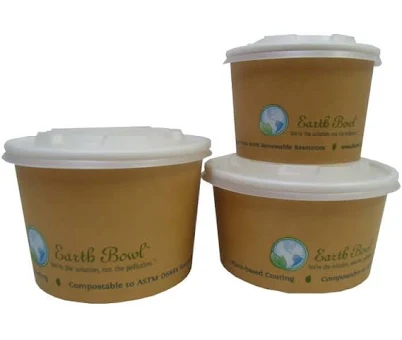
Earth-to-go Earth Bowl EB-32
Lower concern. Compostable fiber bowls typically avoid PFAS.
Earth-to-go bowls are molded from plant fiber and compostable. No known PFAS-containing coatings; fiber packaging presents lower PFAS risk than plastic or treated materials.
We flunk more products than we pass. This one earned its grade. How we grade
Material
Molded fiber pulp, compostable plant-based bowl
Brand disclosure
Brand is silent on PFAS
Lab data
No public lab test
You may also be interested in
Top-graded picks in the categories readers replace first, every one scored on the same rubric.

- polypropylene filter housing, carbon/sediment cartridge
- We found no PFAS statement from the brand
- Bacterial growth in spent cartridges
3 hazards checked on this product, all on its full breakdown.

Aquasure
Premier Series 75 GPD Under Sink Reverse Osmosis Water Filtration System
- RO membrane, carbon filters, stainless steel housing
- We found no PFAS statement from the brand
- Bacterial and microbial growth in housing and filters
4 hazards checked on this product, all on its full breakdown.

Avocado
Vegan Mattress
- organic cotton, natural latex, coconut coir, recycled steel coils
- The brand calls it PFAS-free, which we have not verified
- Heavy metals
2 hazards checked on this product, all on its full breakdown.
What Earth-to-go Earth Bowl EB-32 is made of, ingredients and materials
The Earth Bowl EB-32 is molded from plant-based fiber pulp, typically derived from recycled paper, sugarcane bagasse, or wood cellulose. This material avoids the leaching concerns tied to plastics (BPA, BPS, phthalates) and the coating degradation issues of ceramic or coated cookware. Molded fiber does not require synthetic binders or coatings in most formulations, reducing chemical exposure pathways during food contact. The material is designed to be compostable, meaning it breaks down in industrial or home composting systems without persistent residue.
What’s concerning
No PFAS disclosure
No public statement from the brand about PFAS in this product.
Category baseline
The starting point for this type of product, before anything specific to this product is counted.
Formaldehyde / VOCs
Molded fiber bowls may be bonded with formaldehyde-based adhesives or starch binders during manufacture. Earthwise has not published test data on formaldehyde emissions. Contact with warm foods could theoretically increase release, though risk is considered low for food-contact temperatures below 60°C.
Source, ATSDR ↗Bacterial or mold growth if moisture-trapped
Porous fiber pulp can absorb water and harbor microbial growth if not dried quickly or stored in humid conditions. Visible mold or water staining indicates the material barrier has been compromised and the bowl should be discarded.
Heat-induced structural failure and food contact breakdown
Molded fiber is not designed for hot liquids or high temperatures. Boiling water, microwaving, or oven use can soften, warp, or partially dissolve the material, potentially exposing food to degradation products and loss of barrier function.
What’s reassuring
Base material not linked to PFAS
The main material recorded for this product is not one associated with PFAS.
BPA & bisphenols
Molded fiber pulp does not contain or leach BPA, BPS, or phthalates. This material class avoids the plastic polymer chemistry that produces these endocrine disruptors.
Source, FDA ↗Fiber shedding or microfiber migration into food
Intact, undamaged molded fiber bowls do not shed fibers into food under normal use. Deteriorated or heavily abraded bowls may shed microscopic particles; replacement is recommended at that point.
How is this PFAS grade calculated?
The brand's record and disclosure
Earthwise has positioned itself in the eco-conscious food-service and takeout market but has published no detailed material safety data sheet or third-party certification visible in public records for the EB-32 line. The brand's PFAS stance is not transparently communicated, though the material class (molded fiber) inherently avoids PFAS use in most production. No recalls or safety controversies are documented for this specific product or brand in FDA or CPSC databases.
How it compares in its category
Molded fiber bowls present lower concern than plastic food containers (which carry BPA/BPS and phthalate leaching risk) and single-use polystyrene foam (which can degrade and shed microplastics). Compared to ceramic or glazed stoneware bowls, fiber pulp eliminates risks from lead or cadmium in glazes. The trade-off is durability and heat resistance, molded fiber is not suitable for microwave or boiling-water use, whereas ceramics and some plastics tolerate higher temperatures.
If you buy it
Use the bowl for room-temperature or warm (not hot) foods and beverages. Do not microwave, pour boiling water into it, or place it in a conventional oven. Store dry and away from high humidity to prevent mold growth or structural degradation. Discard if the bowl shows visible cracks, water absorption spots, or mold; these indicate breakdown of the fiber matrix and loss of food-contact integrity. Compost at end of life in industrial or certified home systems.
What is not known about PFAS in this product?
- Basis
- Model estimate, 72% confidence, not a lab result
- Lab test
- None on record for this exact product
- Brand statement
- Earth-to-Go has made none
Formulations change between production runs, so check the current label. How we grade.
What are the PFAS-free alternatives to Earth-to-go Earth Bowl EB-32?
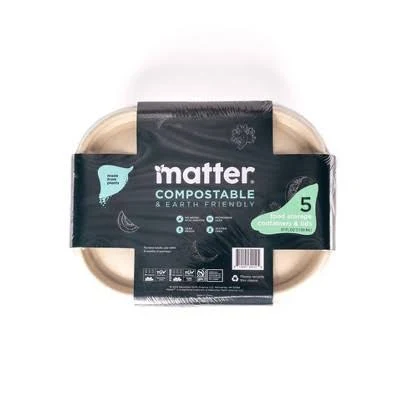
- Plant-based fiber pulp (compostable)
- A third party reports verifying it as PFAS-free
- Microbe/mold growth if stored damp
2 hazards checked on this product, all on its full breakdown.
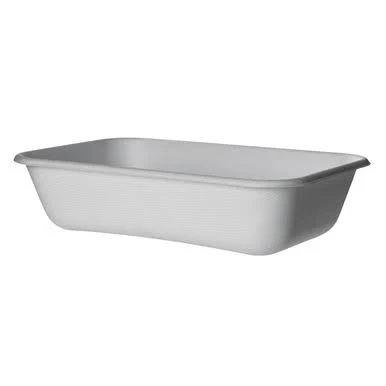
Eco-Products
Eco Products WorldView Compostable Take-Out Containers EP-SCRC32
- Plant-based fiber (compostable sugarcane bagasse)
- A third party reports verifying it as PFAS-free
- Bleaching agents and processing residues
3 hazards checked on this product, all on its full breakdown.
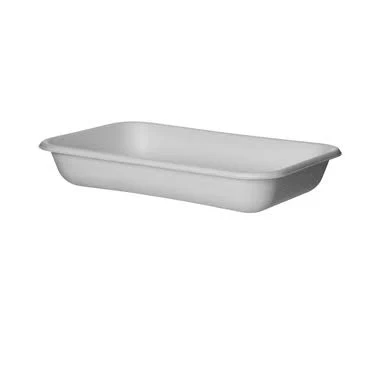
Eco-Products
WorldView Sugarcane Take-Out Containers
- Sugarcane bagasse (post-consumer fiber)
- A third party reports verifying it as PFAS-free
- Cellulose fiber degradation and food contact
2 hazards checked on this product, all on its full breakdown.
More food packaging grades
How we score, every product runs through the same public 0-100 rubric based on materials, coatings, brand disclosure, lab findings, and recalls. See the full methodology → Spotted a mistake? Report an error.