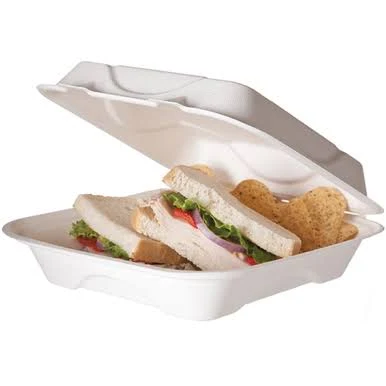
Bagasse Hinged Clamshell Containers 9 x 9 x 3 White Sugarcane 50/Pack
Lower concern; plain bagasse presents no known PFAS risk, though brand transparency would help.
Bagasse containers come from sugarcane agricultural waste, a cellulose fiber with lower inherent PFAS risk than synthetic plastics. The brand makes no public PFAS statement, though plain bagasse rarely needs water-repellent coatings.
We flunk more products than we pass. This one earned its grade. How we grade
Material
bagasse (sugarcane pulp fiber)
Brand disclosure
Brand is silent on PFAS
Lab data
No public lab test
You may also be interested in
Top-graded picks in the categories readers replace first, every one scored on the same rubric.

- polypropylene filter housing, carbon/sediment cartridge
- We found no PFAS statement from the brand
- Bacterial growth in spent cartridges
3 hazards checked on this product, all on its full breakdown.

Aquasure
Premier Series 75 GPD Under Sink Reverse Osmosis Water Filtration System
- RO membrane, carbon filters, stainless steel housing
- We found no PFAS statement from the brand
- Bacterial and microbial growth in housing and filters
4 hazards checked on this product, all on its full breakdown.

Avocado
Vegan Mattress
- organic cotton, natural latex, coconut coir, recycled steel coils
- The brand calls it PFAS-free, which we have not verified
- Heavy metals
2 hazards checked on this product, all on its full breakdown.
What Bagasse Hinged Clamshell 50/Pack is made of, ingredients and materials
Bagasse is the fibrous pulp leftover after sugarcane juice extraction. These containers are molded from that fiber without a plastic coating or chemical binder in the contact surface. Unlike polystyrene or PET clamshells, bagasse doesn't contain monomers (BPA, phthalates) that leach into food, and it degrades naturally. The adhesive hinge and any sealing strip warrant brief attention, but the main body is chemically inert fiber.
What’s concerning
Category baseline
The starting point for this type of product, before anything specific to this product is counted.
No PFAS disclosure
No public statement from the brand about PFAS in this product.
Adhesive and hinge leachables
The hinged closure uses a small adhesive or tape seal. Eco-Products does not disclose the adhesive chemistry. Bagasse-specific adhesives are typically soy or starch-based, but no third-party testing is publicly available for this specific product's formulation.
Mold and bacterial growth if stored damp
Bagasse fiber retains moisture and can support mold growth if stored in humid conditions or if containers are not dried quickly after washing or condensation. This is a use and storage issue, not an inherent chemical hazard, but affects food safety.
Microplastic or fiber shedding
Bagasse is a loose fiber matrix. Under mechanical stress (rubbing, folding, high heat) loose fibers may shed into food or drinking water. This is not a chemical toxin but a physical contaminant concern if product is misused.
What’s reassuring
Base material not linked to PFAS
The main material recorded for this product is not one associated with PFAS.
Bleaching residues (chlorine or oxygen-based)
Bagasse pulp may be bleached during processing. Eco-Products does not disclose bleaching agents on packaging or website. Industry practice typically uses chlorine dioxide or hydrogen peroxide, which fully degrade during pulping; residual risk is very low for food contact, but verification is absent.
Formaldehyde / VOCs
Plain bagasse fiber typically uses no formaldehyde-releasing resin. However, if any water-resistant coating or sizing agent is applied, formal disclosure is absent. No recalls or testing reports suggest a problem for this product.
Source, ATSDR ↗How is this PFAS grade calculated?
The brand's record and disclosure
Eco-Products markets itself as a sustainable alternative brand and holds Certified Compostable (BPI) and Certified Compostable (ASTM D6868) labels for many products. The company has not published explicit PFAS testing or commitment statements in publicly available materials. No significant safety recalls or chemical controversies are on record for this product line. Their silence on PFAS is notable given industry attention, but does not indicate a known problem.
How it compares in its category
Bagasse containers are lower-hazard than conventional bleached paperboard (which may contain chlorine residues or coatings) and vastly lower-hazard than foam polystyrene or hinged plastic clamshells (which carry BPA, phthalate, or microplastic risk). Bagasse is compostable; most plastic hinged containers are not. The trade-off is reduced structural durability and moisture resistance compared to plastic, limiting use to drier, shorter-hold foods.
If you buy it
Use for room-temperature or cold foods only; bagasse softens and may degrade if exposed to sustained heat above 70-80C. Do not microwave or use in ovens. For greasy or very wet foods, leakage is common. Discard if the fiber becomes visibly degraded or discolored. Store in dry conditions to prevent mold or mildew. These are single-use and intended for composting; do not reuse repeatedly.
What is not known about PFAS in this product?
- Basis
- Model estimate, 78% confidence, not a lab result
- Lab test
- None on record for this exact product
- Brand statement
- Bagasse has made none
Formulations change between production runs, so check the current label. How we grade.
What are the PFAS-free alternatives to Bagasse Hinged Clamshell Containers 9 x 9 x 3 White Sugarcane 50/Pack?
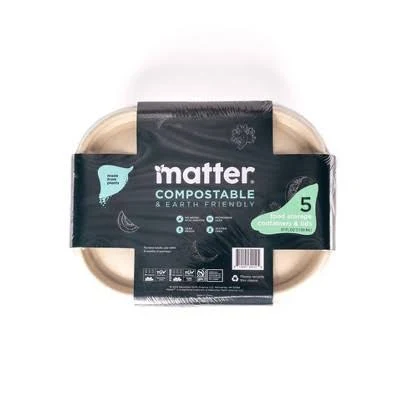
- Plant-based fiber pulp (compostable)
- A third party reports verifying it as PFAS-free
- Microbe/mold growth if stored damp
2 hazards checked on this product, all on its full breakdown.
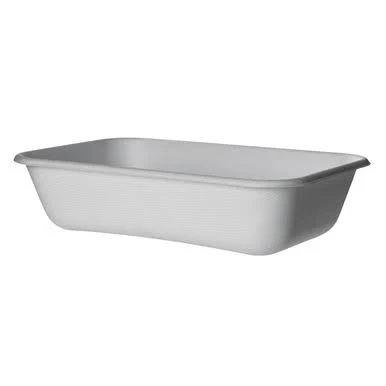
Eco-Products
Eco Products WorldView Compostable Take-Out Containers EP-SCRC32
- Plant-based fiber (compostable sugarcane bagasse)
- A third party reports verifying it as PFAS-free
- Bleaching agents and processing residues
3 hazards checked on this product, all on its full breakdown.
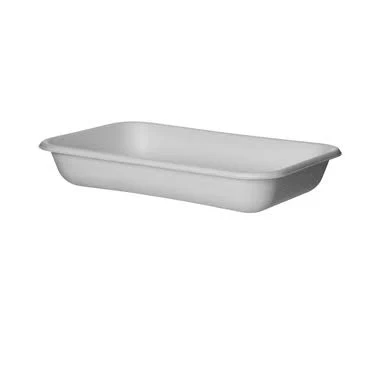
Eco-Products
WorldView Sugarcane Take-Out Containers
- Sugarcane bagasse (post-consumer fiber)
- A third party reports verifying it as PFAS-free
- Cellulose fiber degradation and food contact
2 hazards checked on this product, all on its full breakdown.
More food packaging grades
How we score, every product runs through the same public 0-100 rubric based on materials, coatings, brand disclosure, lab findings, and recalls. See the full methodology → Spotted a mistake? Report an error.