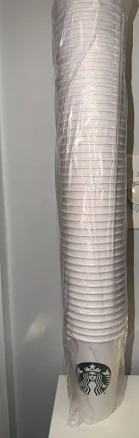
Starbucks Paper Cups - 46 Ct/ Sealed Sleeve. White Disposable Coffee
Medium-high risk. Skip if concerned about PFAS; Starbucks offers no coating transparency.
Water and grease-resistant coating on Starbucks paper cups keeps its chemistry private. Industry-standard hot cups commonly rely on PFAS-based fluorochemicals for liquid barriers.
The better-graded swap
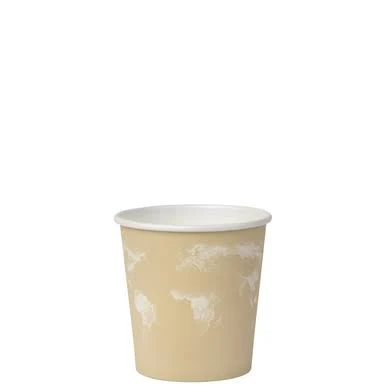
Eco-Products
Eco-Products World Art Hot Cups 4oz
70/100 safety
Same rubric that flunked this product. The swap earned Good.
Still want this one anyway? Check the price on Amazon. We’d swap it.
Material
paper with proprietary water/grease-resistant coating (unspecified)
Brand disclosure
Brand is silent on PFAS
Lab data
No public lab test
You may also be interested in
Top-graded picks in the categories readers replace first, every one scored on the same rubric.

- polypropylene filter housing, carbon/sediment cartridge
- We found no PFAS statement from the brand
- Bacterial growth in spent cartridges
3 hazards checked on this product, all on its full breakdown.

Aquasure
Premier Series 75 GPD Under Sink Reverse Osmosis Water Filtration System
- RO membrane, carbon filters, stainless steel housing
- We found no PFAS statement from the brand
- Bacterial and microbial growth in housing and filters
4 hazards checked on this product, all on its full breakdown.

Avocado
Vegan Mattress
- organic cotton, natural latex, coconut coir, recycled steel coils
- The brand calls it PFAS-free, which we have not verified
- Heavy metals
2 hazards checked on this product, all on its full breakdown.
What Starbucks Paper Cups - 46 Ct/ Coffee is made of, ingredients and materials
These are standard disposable paper coffee cups lined with a proprietary water and grease-resistant coating, almost certainly fluorinated (PFAS-based) or, less commonly, silicone. Starbucks does not publicly specify which chemistry they use. The coating is essential to prevent liquid from soaking through, but fluorinated coatings have been industry standard for decades and are known to leach trace PFAS into hot beverages, especially over time or under heat stress. Paper itself is benign; the risk is entirely in the thin polymer layer.
What’s concerning
Category baseline
The starting point for this type of product, before anything specific to this product is counted.
No PFAS disclosure
No public statement from the brand about PFAS in this product.
Waterproof / stain-resistant treatment
Water-repellent coating treatments have historically used PFAS.
PFAS
Starbucks does not disclose coating type, but fluorinated polymers are the historical industry standard for paper cup liners and are documented to leach PFAS at measurable levels into hot beverages. This product's PFAS grade (25/100) reflects this baseline risk.
Source, ATSDR ↗Coating degradation and leaching under heat
Paper cup coatings can degrade or delaminate if exposed to very hot liquids, steam, or microwave heating, potentially accelerating leaching of coating components. Standard coffee temperature minimizes this, but aggressive heating increases risk.
Microplastics
Thin polymer liners may shed microscopic particles, especially if cups are degraded, reused, or handled roughly. No formal testing of Starbucks cups for particulate release is on record, but the hazard is inherent to single-use polymer-lined paper.
Source, EPA ↗What’s reassuring
Bleach and chlorine residues in paper substrate
Paper is typically bleached during manufacture; Starbucks has not disclosed whether they use elemental chlorine-free (ECF) or totally chlorine-free (TCF) pulp. Residual chlorine compounds are generally minimal in finished cups, and no specific contamination has been reported.
Adhesives and inks on printed surfaces
Cup logos and text use food-safe inks and adhesives per FDA compliance, and printed surfaces do not contact beverage. No hazard flagged for this product type in standard use.
How is this PFAS grade calculated?
The brand's record and disclosure
Starbucks has not published transparency about cup coating chemistry or fluorine content despite growing public pressure on PFAS disclosure in food-contact materials (roughly 2018 onward). The company offers reusable cup discounts but has made no public commitment to phase out PFAS in single-use cups or to label coating type. No recalls or regulatory warnings exist for Starbucks cups specifically, but this silence on a known contamination pathway is a red flag relative to competitors who have begun testing or reformulating.
How it compares in its category
Most major coffee chains (Dunkin, McDonald's, local cafes) use similar fluorinated paper cup liners, the industry default. A small number of manufacturers now offer alternatives using non-fluorinated polymers or plant-based coatings that are not materials linked to PFAS, but these remain uncommon in mainstream distribution. Starbucks has not publicly switched to alternatives, placing it in the standard (higher-risk) tier rather than an innovator position. Ceramic, glass, or metal reusable cups eliminate this hazard entirely.
If you buy it
These cups present lower concern for occasional use at typical coffee temperatures (around 160-180F). PFAS migration increases with heat and contact time, so avoid prolonged storage of hot liquid in the cup; drink promptly. Do not microwave, reuse, or expose to temperatures above 190F. If PFAS exposure is a priority concern (pregnancy, young children, high accumulated intake from other sources), consider bringing a personal reusable cup to avoid this product altogether. Composting or recycling per local guidelines does not reduce your exposure risk but may reduce environmental load.
What is not known about PFAS in this product?
- Basis
- Model estimate, 35% confidence, not a lab result
- Lab test
- None on record for this exact product
- Brand statement
- Starbucks has made none
Formulations change between production runs, so check the current label. How we grade.
What are the PFAS-free alternatives to Starbucks Paper Cups - 46 Ct/ Sealed Sleeve. White Disposable Coffee?
- Plant-based compostable PLA coating
- A third party reports verifying it as PFAS-free
- Leachables from undisclosed grease-resistant coating
3 hazards checked on this product, all on its full breakdown.
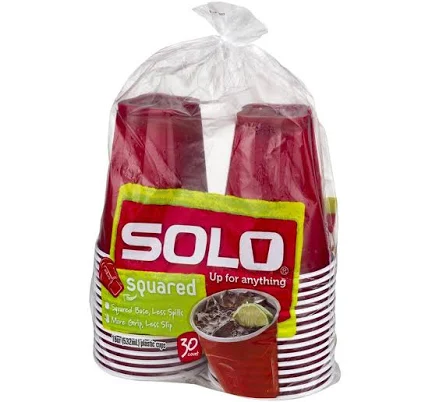
- polystyrene plastic (PS) with grip coating
- We found no PFAS statement from the brand
- Polystyrene monomer and oligomer leaching
4 hazards checked on this product, all on its full breakdown.
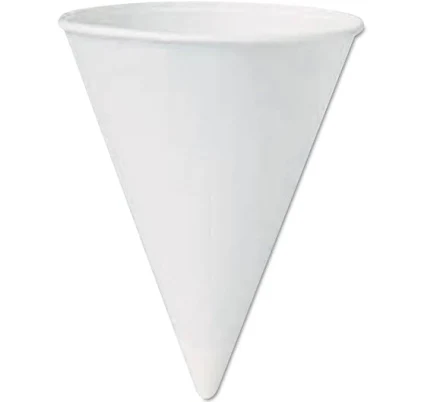
- Expanded polystyrene foam
- We found no PFAS statement from the brand
- Styrene monomer leaching
3 hazards checked on this product, all on its full breakdown.
Find an alternative on AmazonMore coffee cups grades
How we score, every product runs through the same public 0-100 rubric based on materials, coatings, brand disclosure, lab findings, and recalls. See the full methodology → Spotted a mistake? Report an error.