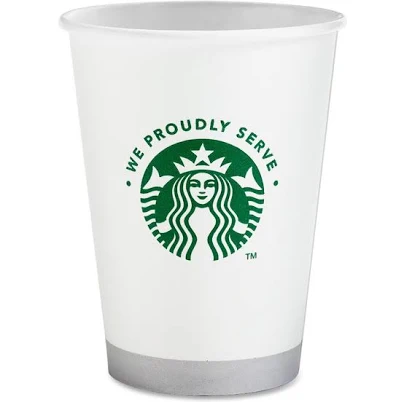
Starbucks Compostable Hot/Cold Cups
Medium-high risk. Skip until Starbucks reveals waterproofing chemistry.
Plant-based PLA lining with an unspecified waterproof and grease-resistant coating. Starbucks discloses nothing about whether these waterproofing layers contain PFAS.
The better-graded swap
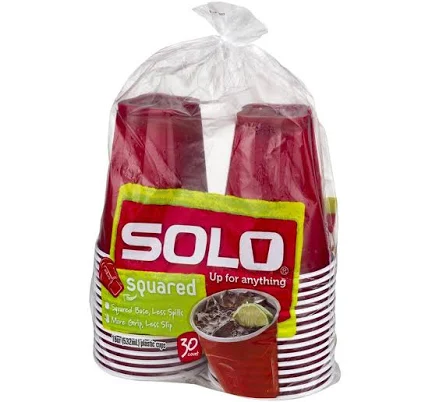
Solo
Solo Cup Company Grips Plastic Cups SQ1830
70/100 safety
Same rubric that flunked this product. The swap earned Good.
Still want this one anyway? Check the price on Amazon. We’d swap it.
Material
Plant-based fiber coating (PLA-lined) with unspecified waterproofing layer
Brand disclosure
Brand is silent on PFAS
Lab data
No public lab test
You may also be interested in
Top-graded picks in the categories readers replace first, every one scored on the same rubric.

- polypropylene filter housing, carbon/sediment cartridge
- We found no PFAS statement from the brand
- Bacterial growth in spent cartridges
3 hazards checked on this product, all on its full breakdown.

Aquasure
Premier Series 75 GPD Under Sink Reverse Osmosis Water Filtration System
- RO membrane, carbon filters, stainless steel housing
- We found no PFAS statement from the brand
- Bacterial and microbial growth in housing and filters
4 hazards checked on this product, all on its full breakdown.

Avocado
Vegan Mattress
- organic cotton, natural latex, coconut coir, recycled steel coils
- The brand calls it PFAS-free, which we have not verified
- Heavy metals
2 hazards checked on this product, all on its full breakdown.
What Starbucks Compostable Hot/Cold Cups is made of, ingredients and materials
Starbucks compostable cups use a PLA (polylactic acid) plant-based fiber shell lined with an undisclosed waterproofing layer to prevent liquid seepage. PLA itself is relatively low-toxicity, but the waterproofing chemistry is the critical unknown; industry standard coatings for single-use cups often contain fluorinated compounds (PFAS) to repel water and oil. Without transparency on this layer's composition, the actual safety profile cannot be fully assessed.
What’s concerning
Category baseline
The starting point for this type of product, before anything specific to this product is counted.
No PFAS disclosure
No public statement from the brand about PFAS in this product.
Waterproof / stain-resistant treatment
Water-repellent coating treatments have historically used PFAS.
Undisclosed waterproofing layer (likely fluorinated compounds)
Industry standard for single-use compostable cups includes PFAS-based water and oil repellents; Starbucks has not publicly confirmed or ruled out these chemicals in its coating. This is the primary non-PFAS safety concern for this product.
PLA (polylactic acid) degradation under heat stress
PLA softens above 140F (60C); while not directly toxic, thermal stress may accelerate coating breakdown and potential leaching of waterproofing additives into hot beverages.
Coating leachates into beverages (unspecified)
Without ingredient disclosure, potential migration of coating compounds into hot or acidic liquids (coffee, tea) cannot be ruled out. Acidic and warm conditions favor leaching from unknown polymer coatings.
Microplastics
Over repeated use or if coating peels, fragmented PLA and waterproofing layer particles may shed into beverages; long-term ingestion risk profile remains understudied.
Source, EPA ↗Composting contamination risk
If waterproofing layer is fluorinated or non-biodegradable, cups marketed as 'compostable' may not fully break down in standard facilities and could persist in compost, leaching coatings into soil.
How is this PFAS grade calculated?
The brand's record and disclosure
Starbucks has not publicly detailed the chemical composition of the waterproofing layer in these cups, despite known industry reliance on PFAS-containing coatings. The company markets the cups as 'compostable' but has not committed to PFAS-free alternatives or third-party certification of coating safety. No major recalls or documented health incidents specific to these cups are on record, but the silence on waterproofing chemistry reflects weak transparency for a global brand.
How it compares in its category
Most single-use hot/cold cups in the market (including competitors' compostable lines) rely on similar waterproofing layers, so Starbucks' opacity is industry-wide rather than brand-unique. Compostable cup lines with no hazard of this kind on record for their linings remain less common. Stainless steel or glass reusables eliminate the coating risk entirely but require separate washing and maintenance.
If you buy it
Avoid using for very hot beverages (above 160F/70C) until coating stability under heat is confirmed. Do not microwave or reheat while in the cup. Replace cups if visible coating damage, discoloration, or peeling appears. If you use these regularly, contact Starbucks directly requesting full disclosure of waterproofing ingredients; consumer pressure drives transparency. For daily use, reusable containers reduce overall exposure and waste.
What is not known about PFAS in this product?
- Basis
- Model estimate, 35% confidence, not a lab result
- Lab test
- None on record for this exact product
- Brand statement
- Starbucks has made none
Formulations change between production runs, so check the current label. How we grade.
What are the PFAS-free alternatives to Starbucks Compostable Hot/Cold Cups?
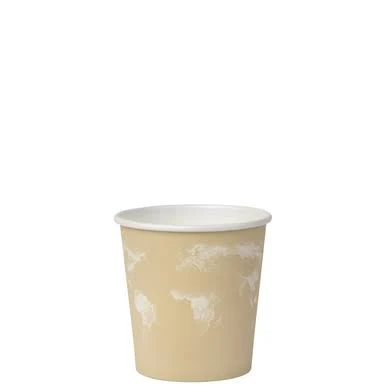
- Plant-based compostable PLA coating
- A third party reports verifying it as PFAS-free
- Leachables from undisclosed grease-resistant coating
3 hazards checked on this product, all on its full breakdown.
- polystyrene plastic (PS) with grip coating
- We found no PFAS statement from the brand
- Polystyrene monomer and oligomer leaching
4 hazards checked on this product, all on its full breakdown.
- Expanded polystyrene foam
- We found no PFAS statement from the brand
- Styrene monomer leaching
3 hazards checked on this product, all on its full breakdown.
Find an alternative on AmazonMore coffee cups grades
How we score, every product runs through the same public 0-100 rubric based on materials, coatings, brand disclosure, lab findings, and recalls. See the full methodology → Spotted a mistake? Report an error.