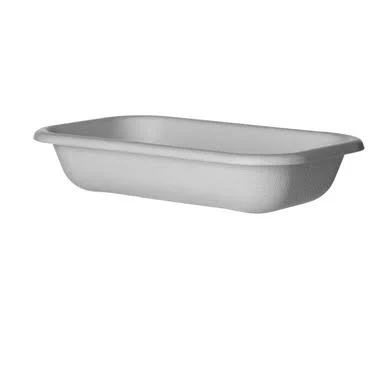
Eco-Products WorldView Renewable Sugarcane Containers 16 oz
Lower PFAS concern since sugarcane fiber containers typically avoid fluorochemical coatings.
These sugarcane-based containers are made from bagasse, a natural fiber byproduct that doesn't inherently require PFAS-based coatings. The brand doesn't make explicit PFAS claims.
We flunk more products than we pass. This one earned its grade. How we grade
Material
Sugarcane-based fiber (bagasse), uncoated or minimal processing
Brand disclosure
Brand is silent on PFAS
Lab data
No public lab test
You may also be interested in
Top-graded picks in the categories readers replace first, every one scored on the same rubric.

- polypropylene filter housing, carbon/sediment cartridge
- We found no PFAS statement from the brand
- Bacterial growth in spent cartridges
3 hazards checked on this product, all on its full breakdown.

Aquasure
Premier Series 75 GPD Under Sink Reverse Osmosis Water Filtration System
- RO membrane, carbon filters, stainless steel housing
- We found no PFAS statement from the brand
- Bacterial and microbial growth in housing and filters
4 hazards checked on this product, all on its full breakdown.

Avocado
Vegan Mattress
- organic cotton, natural latex, coconut coir, recycled steel coils
- The brand calls it PFAS-free, which we have not verified
- Heavy metals
2 hazards checked on this product, all on its full breakdown.
What Eco-Products WorldView Containers is made of, ingredients and materials
These containers are made from bagasse, the fibrous residue left after sugarcane juice extraction, pressed and molded into food-contact forms. Bagasse-based packaging typically undergoes minimal chemical processing compared to plastic or traditional paper-coated containers. The uncoated or minimally coated structure means fewer synthetic polymers, adhesives, or barrier chemicals that typically leach into food, and the cellulose-based matrix does not degrade into microplastics under normal use or heating.
What’s concerning
No PFAS disclosure
No public statement from the brand about PFAS in this product.
Category baseline
The starting point for this type of product, before anything specific to this product is counted.
Pesticide residue
Sugarcane is a conventional crop often treated with herbicides and insecticides. Processing may reduce residues, but no public data confirm non-detection in finished Eco-Products containers. This is a theoretical concern not specific to this brand.
Source, EPA ↗Microbial colonization and mold growth
Unlike plastic, bagasse is porous and hygroscopic (attracts moisture), creating potential for mold or bacterial growth if stored damp or in humid environments. This is a use and storage hazard, not an intrinsic chemical one.
What’s reassuring
Base material not linked to PFAS
The main material recorded for this product is not one associated with PFAS.
Bleaching or processing chemical residues
Bagasse containers may involve minor bleaching or sizing agents during manufacturing. No recalls or safety warnings for Eco-Products WorldView line indicate this is not a reported problem, though detailed processing disclosure is absent.
Leaching of minor processing additives into hot or fatty foods
Minimal coatings reduce leaching risk, but data on safety of any binders or sizing under heat stress are not publicly available for this specific product. Conservative practice suggests avoiding extended contact with temperatures above 80°C.
Formaldehyde / VOCs
Bagasse containers typically use minimal adhesives and no synthetic resins, unlike laminated paper or plastic-coated products. No evidence of formaldehyde use in Eco-Products bagasse lines is on record.
Source, ATSDR ↗How is this PFAS grade calculated?
The brand's record and disclosure
Eco-Products is a long-established compostable food packaging manufacturer with consistent positioning in the sustainable/renewable materials segment since the mid-2000s. The brand does not publicly disclose detailed chemical composition or independent third-party testing for non-PFAS contaminants, which is typical for this product category but limits verification. No significant recalls or safety controversies related to leaching or chemical contamination have been established in public records. Certification under compostability standards (BPI, EN 13432) implies compliance with contaminant thresholds but does not guarantee disclosure of all processing chemicals.
How it compares in its category
Bagasse containers show lower concern relative to conventional food packaging, they are not a material linked to BPA/phthalate concerns found in conventional plastics and lack the persistent fluorochemical coatings of many polymer-coated paper containers. Compared to unbleached kraft paper, bagasse may involve slightly more processing and potential residual agricultural pesticides, though the mold-forming process typically does not introduce new synthetic additives. Cold-pressed or molded bagasse products like these generally carry lower chemical hazard profiles than both plastic takeout containers and barrier-coated paper boxes.
If you buy it
These containers present lower concern for cold and room-temperature foods and beverages, with no hazard of this kind on record. Avoid prolonged direct contact with very hot liquids (above 80°C/176°F) or repeated microwave use, as elevated temperatures may accelerate any residual moisture or minor processing byproducts, though data on safety limits are sparse. Replace containers if they show visible mold, structural breakdown, or unpleasant odors. Store in a dry location to prevent microbial colonization; bagasse retains moisture and is compostable by design, so it is not indefinitely shelf-stable like plastic.
What is not known about PFAS in this product?
- Basis
- Model estimate, 78% confidence, not a lab result
- Lab test
- None on record for this exact product
- Brand statement
- Eco-Products has made none
Formulations change between production runs, so check the current label. How we grade.
What are the PFAS-free alternatives to Eco-Products WorldView Renewable Sugarcane Containers 16 oz?
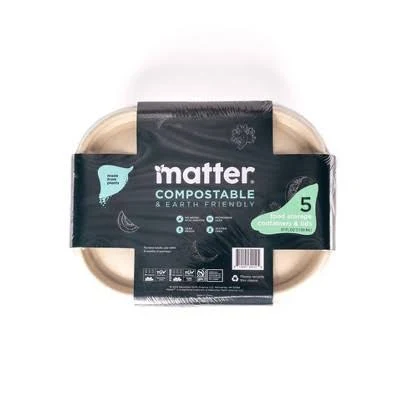
- Plant-based fiber pulp (compostable)
- A third party reports verifying it as PFAS-free
- Microbe/mold growth if stored damp
2 hazards checked on this product, all on its full breakdown.
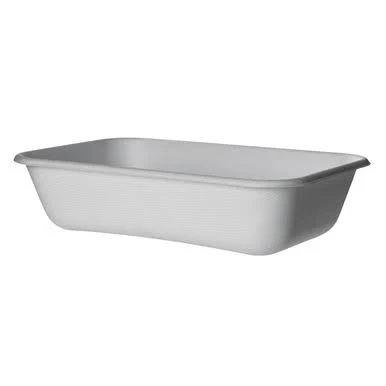
Eco-Products
Eco Products WorldView Compostable Take-Out Containers EP-SCRC32
- Plant-based fiber (compostable sugarcane bagasse)
- A third party reports verifying it as PFAS-free
- Bleaching agents and processing residues
3 hazards checked on this product, all on its full breakdown.
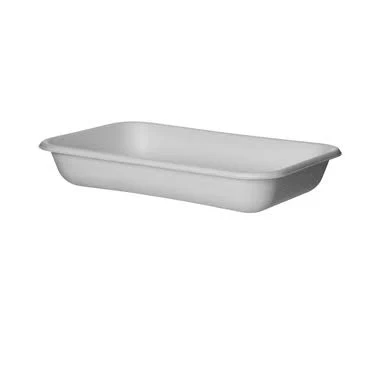
Eco-Products
WorldView Sugarcane Take-Out Containers
- Sugarcane bagasse (post-consumer fiber)
- A third party reports verifying it as PFAS-free
- Cellulose fiber degradation and food contact
2 hazards checked on this product, all on its full breakdown.
More food packaging grades
How we score, every product runs through the same public 0-100 rubric based on materials, coatings, brand disclosure, lab findings, and recalls. See the full methodology → Spotted a mistake? Report an error.