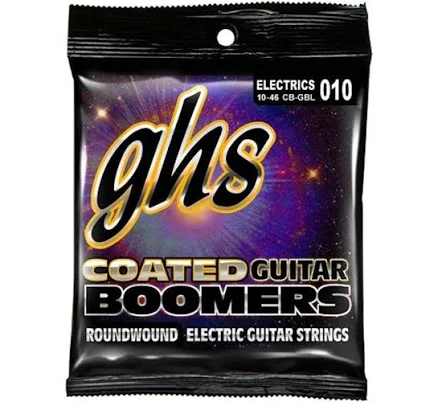
GHS CBGBL Coated Boomers Electric Guitar Strings
Avoid or contact GHS for coating transparency; PFAS risk unknown for this product.
GHS CBGBL strings use proprietary coating with no publicly available disclosure of composition or PFAS content. Guitar strings aren't a major PFAS exposure vector, but transparency prevents confident assessment.
The better-graded swap
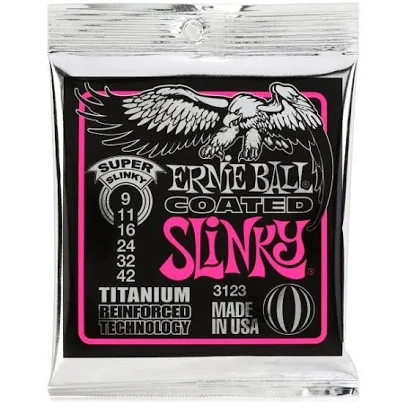
Ernie Ball
Ernie Ball Super Slinky Electric Guitar Strings
85/100 safety
Same rubric that flunked this product. The swap earned Excellent.
Still want this one anyway? Check the price on Amazon. We’d swap it.
Material
Steel/nickel-plated core; coating composition unspecified
Brand disclosure
Brand is silent on PFAS
Lab data
No public lab test
You may also be interested in
Top-graded picks in the categories readers replace first, every one scored on the same rubric.

- polypropylene filter housing, carbon/sediment cartridge
- We found no PFAS statement from the brand
- Bacterial growth in spent cartridges
3 hazards checked on this product, all on its full breakdown.

Aquasure
Premier Series 75 GPD Under Sink Reverse Osmosis Water Filtration System
- RO membrane, carbon filters, stainless steel housing
- We found no PFAS statement from the brand
- Bacterial and microbial growth in housing and filters
4 hazards checked on this product, all on its full breakdown.

Avocado
Vegan Mattress
- organic cotton, natural latex, coconut coir, recycled steel coils
- The brand calls it PFAS-free, which we have not verified
- Heavy metals
2 hazards checked on this product, all on its full breakdown.
What GHS CBGBL Coated Boomers Guitar Strings is made of, ingredients and materials
GHS Coated Boomers use a steel core with nickel plating and an undisclosed polymer coating designed to extend string life and alter tone. The nickel plating is the primary concern for skin contact, as nickel is a known contact allergen affecting roughly 10-15% of the population. The coating composition is not publicly specified by GHS, which means potential leachates into sweat or saliva during extended playing remain uncharacterized.
What’s concerning
Category baseline
The starting point for this type of product, before anything specific to this product is counted.
No PFAS disclosure
No public statement from the brand about PFAS in this product.
Unknown / proprietary coating
A coating is recorded with no disclosed chemistry.
Nickel contact dermatitis
Nickel-plated steel core is in direct skin contact during playing and restringing. Risk is elevated for individuals with known nickel allergy or sensitive skin; regulatory dermal contact limits do not apply to strings, and no barrier claims are made by GHS.
Coating degradation and leachate exposure
Proprietary polymer coating composition is undisclosed. Degradation over time (weeks to months) could release unknown additives into saliva and sweat. Without material transparency, risk of encountering plasticizers, UV stabilizers, or colorants remains unquantified.
Microabrasion and inhalation of coating particles
Worn or damaged coatings shed fine particles during playing, especially in aggressive playing styles. Inhalation of polymer dust is a minor occupational hazard for frequent players; composition unknown makes risk characterization incomplete.
What’s reassuring
Heavy metals
No recalls or reports of cadmium, lead, or chromium contamination in GHS coated strings exist in public records. Standard electroplating processes used in the industry are generally regulated; however, GHS provides no third-party certification or test results to confirm compliance.
Source, FDA ↗Allergenic impurities in polymer coating
No published documentation of formaldehyde releasers, azo dyes, or other common allergens in GHS Coated Boomers. Risk remains theoretical but unverified due to lack of ingredient disclosure.
How is this PFAS grade calculated?
The brand's record and disclosure
GHS Strings is an established manufacturer (founded 1964) with no major recalls or safety certifications listed for guitar strings. The company provides no public material safety data sheets, coating ingredient disclosures, or statements on heavy metals, allergens, or PFAS use in their coatings. This silence is typical in the guitar string industry but limits independent hazard assessment.
How it compares in its category
Coated strings universally rely on proprietary polymer layers; GHS Coated Boomers are mid-market offerings competing with Elixir, D'Addario, and Ernie Ball coated variants. Most competing brands equally withhold specific coating chemistry. Uncoated steel strings eliminate coating uncertainty but wear faster and lose tone definition, making the tradeoff between longevity and chemical transparency a category-wide design choice.
If you buy it
Wear gloves during installation and restringing to minimize nickel contact, especially if you have known nickel sensitivity or atopic dermatitis. Wash hands after playing to remove any coating particles or nickel residue. Replace strings every 1-3 months depending on playing frequency, as coating degradation increases risk of nickel exposure. Store in a dry environment to prevent moisture-induced corrosion that could compromise the protective nickel layer.
What is not known about PFAS in this product?
- Basis
- Model estimate, 35% confidence, not a lab result
- Lab test
- None on record for this exact product
- Brand statement
- GHS has made none
Formulations change between production runs, so check the current label. How we grade.
What are the PFAS-free alternatives to GHS CBGBL Coated Boomers Electric Guitar Strings?
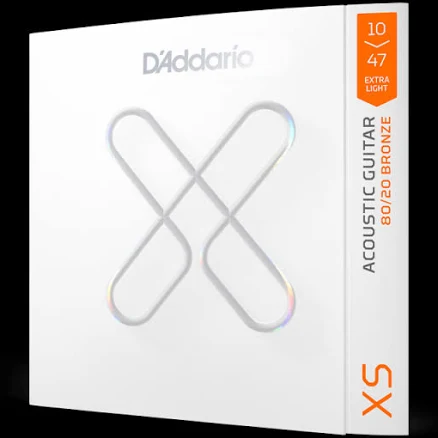
- 80/20 Bronze (copper-tin alloy) with phosphor-bronze coating
- We found no PFAS statement from the brand
- Coating degradation and particulate release
2 hazards checked on this product, all on its full breakdown.
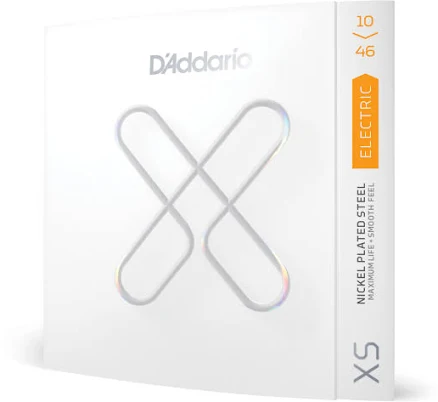
- Nickel-plated steel core with nickel-brass wound exterior
- We found no PFAS statement from the brand
- Nickel skin contact sensitivity
2 hazards checked on this product, all on its full breakdown.
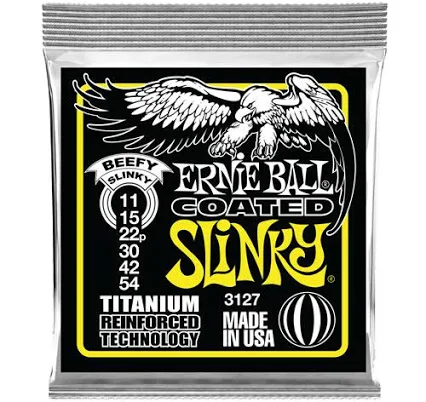
- Nickel-plated steel wound around hexagonal steel core
- We found no PFAS statement from the brand
- Nickel contact dermatitis
2 hazards checked on this product, all on its full breakdown.
More guitar strings grades
How we score, every product runs through the same public 0-100 rubric based on materials, coatings, brand disclosure, lab findings, and recalls. See the full methodology → Spotted a mistake? Report an error.