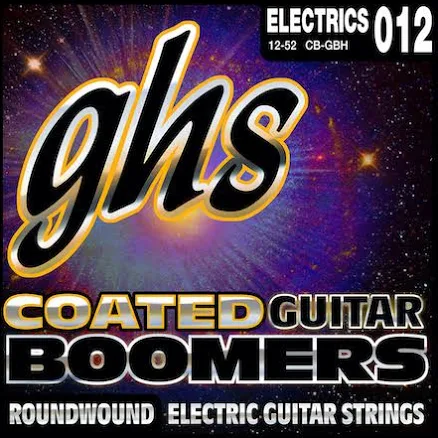
GHS Coated Boomers Electric Guitar Strings
Avoid or ask GHS for coating details; guitar strings are low-concern, but opacity warrants caution.
GHS doesn't disclose the coating composition on these Coated Boomers strings. While guitar strings pose minimal ingestion or skin-contact risk compared to cookware or apparel, coating material transparency is needed for confident assessment.
The better-graded swap
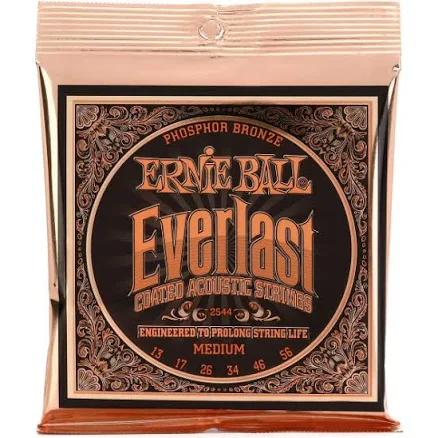
Ernie Ball
Ernie Ball Everlast Acoustic Guitar Strings
85/100 safety
Same rubric that flunked this product. The swap earned Excellent.
Still want this one anyway? Check the price on Amazon. We’d swap it.
Material
Hexagonal wire core with unspecified coating
Brand disclosure
Brand is silent on PFAS
Lab data
No public lab test
You may also be interested in
Top-graded picks in the categories readers replace first, every one scored on the same rubric.

- polypropylene filter housing, carbon/sediment cartridge
- We found no PFAS statement from the brand
- Bacterial growth in spent cartridges
3 hazards checked on this product, all on its full breakdown.

Aquasure
Premier Series 75 GPD Under Sink Reverse Osmosis Water Filtration System
- RO membrane, carbon filters, stainless steel housing
- We found no PFAS statement from the brand
- Bacterial and microbial growth in housing and filters
4 hazards checked on this product, all on its full breakdown.

Avocado
Vegan Mattress
- organic cotton, natural latex, coconut coir, recycled steel coils
- The brand calls it PFAS-free, which we have not verified
- Heavy metals
2 hazards checked on this product, all on its full breakdown.
What GHS Coated Boomers Electric Guitar Strings is made of, ingredients and materials
GHS Coated Boomers use a hexagonal steel wire core wound with bronze or nickel-plated steel, topped with an unspecified polymer coating marketed to extend string life. The coating's exact composition (proprietary) is the main transparency gap; typical guitar string coatings use polyurethane, acrylic, or wax-based compounds. Because strings contact skin and lips during play, any coating degradation or migration is theoretically relevant, though exposure is intermittent and amounts are extremely small. The hexagonal core design is standard and presents no known hazard compared to round-core alternatives.
What’s concerning
Category baseline
The starting point for this type of product, before anything specific to this product is counted.
No PFAS disclosure
No public statement from the brand about PFAS in this product.
Unknown / proprietary coating
A coating is recorded with no disclosed chemistry.
Coating composition opacity
Proprietary polymer coating is unidentified; unknown formulation prevents assessment of migration risk or degradation products. Skin contact is intermittent and exposure amounts are minimal, reducing practical concern.
What’s reassuring
Heavy metals
Nickel-plated or bronze-wound strings are standard; nickel release to skin is documented for jewelry but not reported as a concern for guitar strings given brief contact and corrosion-resistant coating. No testing or complaints found on record for GHS Coated Boomers.
Source, FDA ↗Coating degradation and particle inhalation
Worn or damaged coatings theoretically shed particles, but string replacement cycles (monthly to quarterly) prevent accumulation and no respiratory hazard has been reported in the guitar string category.
Skin irritation from contact
No dermatological issues or allergic reactions documented for GHS strings or coated strings broadly. Risk exists only if coating contains sensitizing residues or if user has unusual sensitivity to unidentified polymers.
Taste or mouth ingestion during play
Players occasionally contact strings with lips or mouth; no toxicity data available for the unspecified coating, but amounts are negligible and no incidents reported.
How is this PFAS grade calculated?
The brand's record and disclosure
GHS Strings, a legacy American manufacturer (founded 1964), has no public record of safety certifications, third-party testing disclosures, or coating material transparency. The brand does not appear on major safety watch lists or recall databases for guitar strings. GHS has not publicly addressed PFAS, heavy metals, or coating chemistry in product documentation or responses to consumer inquiries, which reflects the broader guitar string industry's minimal regulatory oversight rather than a documented safety failure.
How it compares in its category
Most guitar string manufacturers (D'Addario, Ernie Ball, Martin) similarly withhold coating formulations; no competitor offers certified heavy-metal or PFAS testing. GHS Coated Boomers are priced and positioned as a mid-range coated option with a modest lifespan advantage over uncoated strings. The lack of transparency is category-wide, not a GHS-specific weakness, though it means no comparative safety data exists for informed choice within the category.
If you buy it
Strings are replaced every 1 to 3 months depending on play frequency; brief skin contact during play and tuning poses negligible migration risk. Wash hands after playing if you have dermatitis or sensitivities to unknown polymers. Store strings in a cool, dry place to minimize coating breakdown from humidity or temperature swings. Discard strings if you notice visible flaking, discoloration, or unpleasant odor (unlikely but signals degradation); standard replacement schedules make this a non-issue.
What is not known about PFAS in this product?
- Basis
- Model estimate, 35% confidence, not a lab result
- Lab test
- None on record for this exact product
- Brand statement
- GHS has made none
Formulations change between production runs, so check the current label. How we grade.
What are the PFAS-free alternatives to GHS Coated Boomers Electric Guitar Strings?
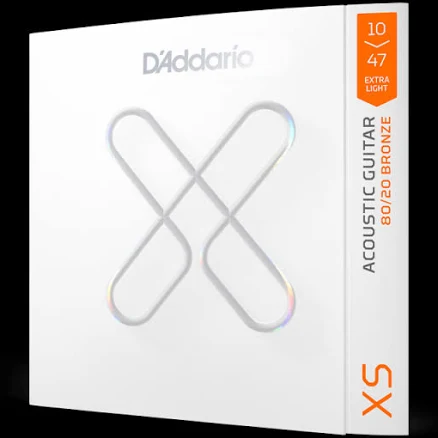
- 80/20 Bronze (copper-tin alloy) with phosphor-bronze coating
- We found no PFAS statement from the brand
- Coating degradation and particulate release
2 hazards checked on this product, all on its full breakdown.
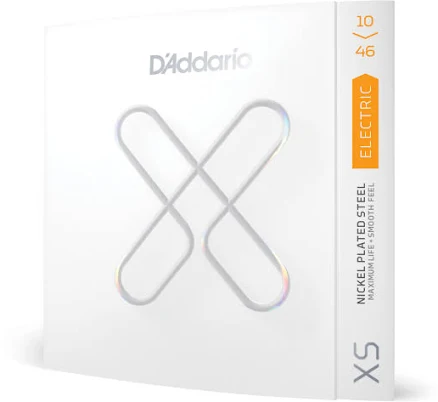
- Nickel-plated steel core with nickel-brass wound exterior
- We found no PFAS statement from the brand
- Nickel skin contact sensitivity
2 hazards checked on this product, all on its full breakdown.
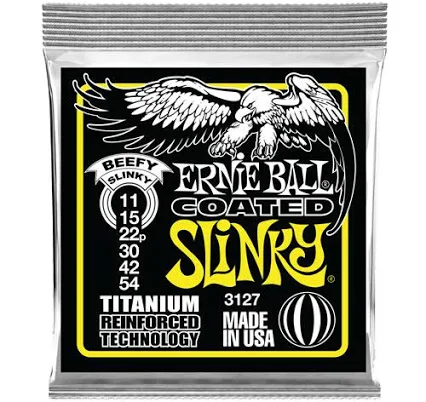
- Nickel-plated steel wound around hexagonal steel core
- We found no PFAS statement from the brand
- Nickel contact dermatitis
2 hazards checked on this product, all on its full breakdown.
More guitar strings grades
How we score, every product runs through the same public 0-100 rubric based on materials, coatings, brand disclosure, lab findings, and recalls. See the full methodology → Spotted a mistake? Report an error.