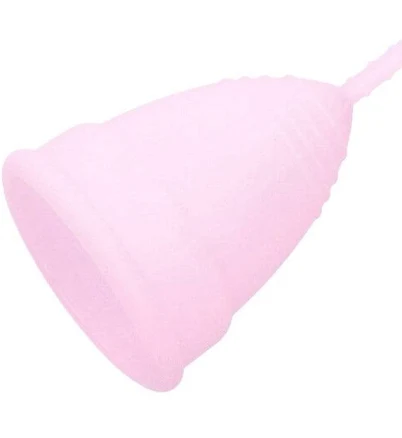
Silicone Menstrual Cups
Lower-concern product since silicone cups don't require PFAS-prone treatments, but manufacturer silence on sourcing limits full confidence.
Flex menstrual cups are silicone, a non-fluorinated polymer with no inherent PFAS risk for the product itself. Menstrual cups lack features that typically drive PFAS use like nonstick coatings, water repellency, or stain resistance. Flex doesn't disclose PFAS testing or manufacturing transparency.
We flunk more products than we pass. This one earned its grade. How we grade
Material
Medical-grade silicone (body-contact surface)
Brand disclosure
Brand is silent on PFAS
Lab data
No public lab test
You may also be interested in
Top-graded picks in the categories readers replace first, every one scored on the same rubric.

- polypropylene filter housing, carbon/sediment cartridge
- We found no PFAS statement from the brand
- Bacterial growth in spent cartridges
3 hazards checked on this product, all on its full breakdown.

Aquasure
Premier Series 75 GPD Under Sink Reverse Osmosis Water Filtration System
- RO membrane, carbon filters, stainless steel housing
- We found no PFAS statement from the brand
- Bacterial and microbial growth in housing and filters
4 hazards checked on this product, all on its full breakdown.

Avocado
Vegan Mattress
- organic cotton, natural latex, coconut coir, recycled steel coils
- The brand calls it PFAS-free, which we have not verified
- Heavy metals
2 hazards checked on this product, all on its full breakdown.
What Silicone Menstrual Cups is made of, ingredients and materials
Flex menstrual cups use medical-grade silicone, a synthetic rubber polymer that does not contain BPA, phthalates, or latex. Medical-grade silicone is selected for this category specifically because it resists degradation in warm, acidic environments (vaginal pH 3.8-4.5) and withstands repeated boiling sterilization without leaching. Unlike lower-grade silicone or rubber products, medical-grade formulations are cross-linked to minimize monomer migration.
What’s concerning
Category baseline
The starting point for this type of product, before anything specific to this product is counted.
No PFAS disclosure
No public statement from the brand about PFAS in this product.
Bacterial or fungal biofilm growth on cup surface
If cups are stored wet or in airtight containers, or not fully dried after cleaning, silicone's smooth surface can accumulate biofilm. This is not a manufacturing defect but a user-maintenance issue; proper boiling and air-drying eliminate risk.
Surface degradation or discoloration over extended use
User reports document yellowing or slight surface roughening after 2-3 years of use, typically linked to heat exposure, soap residue buildup, or mineral deposits from tap water. This is cosmetic and does not indicate chemical breakdown into the vaginal tract; replacement is recommended for hygiene and user confidence.
PFAS
Flex does not publicly disclose PFAS testing or supplier audits. Medical-grade silicone itself does not require PFAS-coated manufacturing (unlike non-stick cookware), but fluorinated solvents may be used in polymerization. Manufacturer silence prevents full confidence, but silicone chemistry does not inherently drive PFAS risk as high as other consumer goods.
Source, ATSDR ↗What’s reassuring
Base material not linked to PFAS
The main material recorded for this product is not one associated with PFAS.
Silicone monomer leaching (oligomers and low-molecular-weight polymers)
Medical-grade silicone used in Flex cups is cross-linked to minimize monomer release. No documented cases of cyclic or linear oligomer contamination in clinical use of medical-grade menstrual cups; heating to sterilization temperatures (100°C boiling) does not mobilize residual monomers at measurable levels in published silicone biocompatibility literature.
Allergic contact dermatitis or irritation from silicone additives or residual processing c
Medical-grade silicone formulations are tested for skin irritation and sensitization under ISO 10993. No publicly reported cases of contact dermatitis from Flex cups; silicone allergies are rare, and FDA clearance implies skin compatibility testing.
How is this PFAS grade calculated?
The brand's record and disclosure
Flex has marketed its cups as FDA-cleared (as a Class II medical device) and does not publicly disclose PFAS testing or sourcing transparency. The company's website emphasizes safety certifications but does not address per- and polyfluoroalkyl substance (PFAS) content or manufacturing controls. No recalls, contamination incidents, or health complaints are documented in FDA databases or independent safety databases for Flex menstrual cups.
How it compares in its category
Medical-grade silicone cups (Flex, Diva Cup, Saalt, etc.are associated with lower concern for bacterial growth and absorbency compared to tampons and pads, and silicone is more chemically inert than thermoplastic elastomers or lower-grade rubbers. Flex's FDA device classification and multi-year market presence without reported adverse events place it in the established, lower-risk tier of this category.
If you buy it
Boil or use a dedicated silicone cup sterilizer between cycles; do not expose to extreme heat (e.g., dishwasher high heat or direct flame), which can degrade the surface over time. Replace every 2 years or if you notice discoloration, roughness, or persistent odor that cleaning does not remove. Store in a breathable cotton pouch, not airtight plastic, to prevent bacterial or mold growth.
What is not known about PFAS in this product?
- Basis
- Model estimate, 72% confidence, not a lab result
- Lab test
- None on record for this exact product
- Brand statement
- Flex has made none
Formulations change between production runs, so check the current label. How we grade.
What are the PFAS-free alternatives to Silicone Menstrual Cups?
- medical-grade silicone
- A third party reports verifying it as PFAS-free
- Silicone degradation or leaching from improper cleaning agents
3 hazards checked on this product, all on its full breakdown.
More menstrual cups grades
How we score, every product runs through the same public 0-100 rubric based on materials, coatings, brand disclosure, lab findings, and recalls. See the full methodology → Spotted a mistake? Report an error.