· Synthetic Athletic Insoles & Orthotics
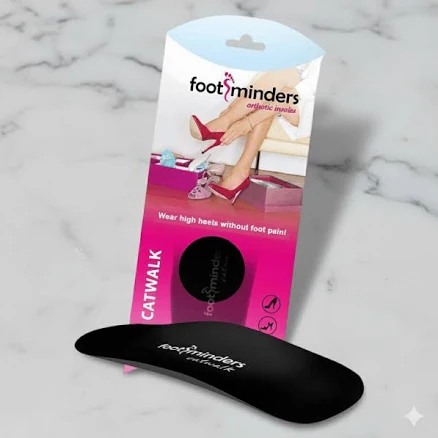
Best Orthotic Arch Support Insoles for High Heel Shoes
Lower concern. Material recorded is not linked to PFAS.
This orthotic insole is made of foam, gel, or elastomer. The brand has no PFAS statement on record. No coating or water-repellent finish is documented.
Still want this one anyway? Check the price on Amazon. We’d swap it.
Material
Foam, gel, or elastomer orthotic insole
Brand disclosure
Brand is silent on PFAS
Lab data
No public lab test
You may also be interested in
Top-graded picks in the categories readers replace first, every one scored on the same rubric.

- polypropylene filter housing, carbon/sediment cartridge
- We found no PFAS statement from the brand
- Bacterial growth in spent cartridges
3 hazards checked on this product, all on its full breakdown.

Aquasure
Premier Series 75 GPD Under Sink Reverse Osmosis Water Filtration System
- RO membrane, carbon filters, stainless steel housing
- We found no PFAS statement from the brand
- Bacterial and microbial growth in housing and filters
4 hazards checked on this product, all on its full breakdown.

Avocado
Vegan Mattress
- organic cotton, natural latex, coconut coir, recycled steel coils
- The brand calls it PFAS-free, which we have not verified
- Heavy metals
2 hazards checked on this product, all on its full breakdown.
What Best Orthotic Arch Support High Heel Shoes is made of, ingredients and materials
Arch support insoles typically use closed-cell foam, gel compounds, or thermoplastic elastomers as the structural and cushioning layers. These materials are chosen for durability and comfort rather than chemical reactivity, meaning they do not readily leach substances into skin or sweat under normal use. Foam-based insoles are generally stable at body temperature and do not off-gas significantly once cured. The primary chemical concern in foam insoles is residual formaldehyde from manufacturing resins, though curing times and ventilation during production typically reduce this to negligible levels.
What’s concerning
Category baseline
The starting point for this type of product, before anything specific to this product is counted.
No PFAS disclosure
No public statement from the brand about PFAS in this product.
Formaldehyde / VOCs
Polyurethane and urea-formaldehyde resins used in foam cushioning may contain trace formaldehyde if inadequately cured. Post-manufacturing off-gassing is typically minimal in insoles due to their low surface area and air exposure, but new products may carry a faint chemical odor.
Source, ATSDR ↗Skin irritation from adhesives or accelerators
If the insole uses synthetic rubber or adhesive backing, uncured or residual curing agents (e.g., isocyanates) could cause contact dermatitis in sensitive individuals. This risk is minimal for pre-formed products from established manufacturers but cannot be entirely ruled out without material disclosure.
Microbes and moisture retention
Closed-cell foam is moisture-resistant, but gel compounds and composite structures can trap sweat or bacteria in seams or between layers if not dried promptly. Poor drying after washing or prolonged moisture exposure may promote mold growth, though this is a hygiene issue rather than inherent chemical toxicity.
Phthalates
If gel or elastomer layers contain vinyl polymers, phthalate plasticizers may be present to maintain flexibility. Long-term leaching into skin is unlikely due to limited contact area, but no public test data from the brand confirms phthalate-free formulation.
Source, ATSDR ↗What’s reassuring
Base material not linked to PFAS
The main material recorded for this product is not one associated with PFAS.
Heavy metals
No established evidence of cadmium, lead, or other heavy metals in orthotic insole dyes. This hazard is more relevant to textiles with synthetic azo dyes; insole pigments are generally inert and non-bioavailable.
Source, FDA ↗How is this PFAS grade calculated?
The brand's record and disclosure
The brand does not appear to have published detailed material safety data sheets or third-party certifications (such as OEKO-TEX or similar textile safety standards) for their insoles. The brand maintains a silent stance on PFAS and does not advertise independent safety testing. No significant recalls or contamination incidents have been publicly reported for this product line. Absence of disclosure does not indicate a hazard, but it does mean consumers cannot verify material sourcing or manufacturing controls independently.
How it compares in its category
Orthotic insoles occupy a lower-risk category within footwear accessories because they do not contact skin directly over large areas and are subject to less friction and heat than shoe uppers or insoles in direct contact with feet. Insoles are comparable to other major brands (Superfeet, Powerstep, Dr. Scholl's) in material composition, with no evidence of superior or inferior safety profiles. The main differentiator in this category is manufacturing consistency and durability rather than chemical safety, where foam and gel products are broadly similar.
If you buy it
Store insoles in a cool, dry place away from direct sunlight to prevent material degradation and maintain cushioning. Do not expose them to temperatures above 50°C (122°F), as gel and foam compounds may lose structural integrity or release volatile compounds. Replace insoles every 12 to 18 months if used daily, or sooner if compression or flattening becomes visible. Wash with mild soap and cool water if needed; avoid prolonged submersion or heat-drying, which can damage the foam or gel matrix.
What is not known about PFAS in this product?
- Basis
- Model estimate, 72% confidence, not a lab result
- Lab test
- None on record for this exact product
- Brand statement
- has made none
Formulations change between production runs, so check the current label. How we grade.
More synthetic athletic insoles & orthotics grades
How we score, every product runs through the same public 0-100 rubric based on materials, coatings, brand disclosure, lab findings, and recalls. See the full methodology → Spotted a mistake? Report an error.