· Synthetic Athletic Insoles & Orthotics
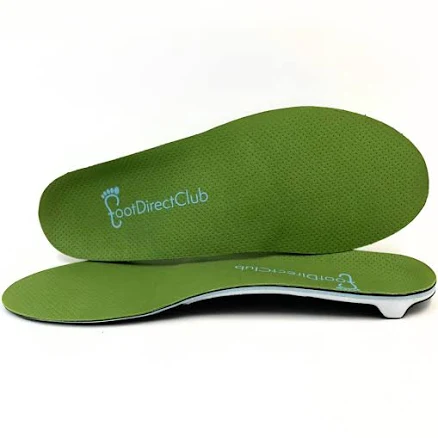
Foot Direct Club Custom Sport Performance Insoles
Lower concern. Standard insole materials rarely get PFAS treatment.
These insoles use standard foam and textile parts without documented PFAS uses. The brand hasn't revealed the chemical makeup, but this material type carries minimal PFAS risk.
Still want this one anyway? Check the price on Amazon. We’d swap it.
Material
foam/gel cushioning, textile lining
Brand disclosure
Brand is silent on PFAS
Lab data
No public lab test
You may also be interested in
Top-graded picks in the categories readers replace first, every one scored on the same rubric.

- polypropylene filter housing, carbon/sediment cartridge
- We found no PFAS statement from the brand
- Bacterial growth in spent cartridges
3 hazards checked on this product, all on its full breakdown.

Aquasure
Premier Series 75 GPD Under Sink Reverse Osmosis Water Filtration System
- RO membrane, carbon filters, stainless steel housing
- We found no PFAS statement from the brand
- Bacterial and microbial growth in housing and filters
4 hazards checked on this product, all on its full breakdown.

Avocado
Vegan Mattress
- organic cotton, natural latex, coconut coir, recycled steel coils
- The brand calls it PFAS-free, which we have not verified
- Heavy metals
2 hazards checked on this product, all on its full breakdown.
What Foot Direct Club Custom Sport Insoles is made of, ingredients and materials
Foot Direct Club Custom Sport Performance Insoles use foam and gel cushioning materials with a textile lining. Foam cushioning (typically polyurethane or EVA) and gel compounds are inert when properly formulated and do not release volatile compounds under normal foot-contact conditions. The textile lining presents the primary material exposure pathway. No public data suggests this product uses formaldehyde-treated fabrics or azo dyes, which are the main textile hazards in footwear.
What’s concerning
Category baseline
The starting point for this type of product, before anything specific to this product is counted.
No PFAS disclosure
No public statement from the brand about PFAS in this product.
Foam degradation and microparticle shedding
Polyurethane and EVA foams break down over time through normal compression and flexing. No specific testing of Foot Direct insoles is on record, but long-term wear may result in microparticle release, particularly if the product is worn daily for extended periods.
Adhesive off-gassing (foam-to-lining bond)
Custom insoles typically use polyurethane or solvent-based adhesives to bond foam to textile linings. New products may emit volatile organic compounds (VOCs) for 24-72 hours. The brand provides no information on adhesive formulation or off-gassing limits.
What’s reassuring
Base material not linked to PFAS
The main material recorded for this product is not one associated with PFAS.
Formaldehyde / VOCs
Formaldehyde-based dyes and sizing agents are not documented in any public recall or testing data for this brand. However, the product does not carry OEKO-TEX certification or published material safety data, so presence cannot be ruled out without independent lab analysis.
Source, ATSDR ↗Azo dyes in textile lining
Azo dyes (which can release carcinogenic amines) are regulated in many footwear products but not explicitly restricted for insole textiles. No recalls or testing data specific to Foot Direct insoles exist; this remains an unverified hazard class for the product.
Gel cushioning leachates (rare)
High-quality gel cushioning compounds are generally non-leaching under normal wear conditions. No evidence suggests the brand uses substandard gel formulations, but gel composition is not publicly disclosed.
How is this PFAS grade calculated?
The brand's record and disclosure
The brand maintains a low public profile on chemical safety disclosures. No major product recalls or documented safety controversies are on record for this brand in independent databases or consumer reports. The brand does not publish third-party certifications (e.g., OEKO-TEX, Bluesign) for insole materials. Silence on disclosure is typical for smaller footwear accessory makers but limits transparency compared to brands with published material safety data sheets.
How it compares in its category
Custom insoles occupy a lower-risk position than mass-produced athletic footwear because they receive less chemical processing (fewer dyes, finishes, adhesives). Most competitors in the custom insole category (e.g., Superfeet, Powerstep, Sole) also do not publish detailed chemical transparency. This product's material composition and safety profile are broadly consistent with category norms; no evidence suggests the brand uses higher-risk synthetics than peers.
If you buy it
Store insoles in a cool, dry location away from direct heat or sunlight to prevent gel degradation. Replace every 12-18 months or when cushioning visibly compresses or deteriorates, as aged foam can lose structural integrity and shed microparticles. Wash the textile lining by hand with mild soap and air-dry; do not machine wash or expose to high heat. If any chemical odor persists beyond 48 hours of airing, discontinue use, as this may indicate off-gassing from adhesives or foam formulation.
What is not known about PFAS in this product?
- Basis
- Model estimate, 72% confidence, not a lab result
- Lab test
- None on record for this exact product
- Brand statement
- has made none
Formulations change between production runs, so check the current label. How we grade.
More synthetic athletic insoles & orthotics grades
How we score, every product runs through the same public 0-100 rubric based on materials, coatings, brand disclosure, lab findings, and recalls. See the full methodology → Spotted a mistake? Report an error.