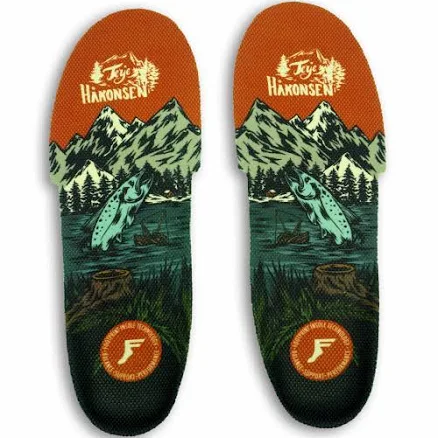
Footprint Insoles · Synthetic Athletic Insoles & Orthotics
Footprint Insoles FP Insoles Gamechangers Elite TH
Foam insoles carry lower PFAS risk; no treatment claims found.
Standard foam insoles typically skip water-resistant coatings where PFAS builds up. No brand disclosures exist, and publicly available material info suggests regular cushioning without fluorochemical treatments.
Still want this one anyway? Check the price on Amazon. We’d swap it.
Material
Foam/cushioning core, likely EVA or polyurethane with textile cover
Brand disclosure
Brand is silent on PFAS
Lab data
No public lab test
You may also be interested in
Top-graded picks in the categories readers replace first, every one scored on the same rubric.

- polypropylene filter housing, carbon/sediment cartridge
- We found no PFAS statement from the brand
- Bacterial growth in spent cartridges
3 hazards checked on this product, all on its full breakdown.

Aquasure
Premier Series 75 GPD Under Sink Reverse Osmosis Water Filtration System
- RO membrane, carbon filters, stainless steel housing
- We found no PFAS statement from the brand
- Bacterial and microbial growth in housing and filters
4 hazards checked on this product, all on its full breakdown.

Avocado
Vegan Mattress
- organic cotton, natural latex, coconut coir, recycled steel coils
- The brand calls it PFAS-free, which we have not verified
- Heavy metals
2 hazards checked on this product, all on its full breakdown.
What Footprint Insoles FP Insoles Elite TH is made of, ingredients and materials
The Footprint Gamechangers Elite insoles use a foam cushioning core, most likely EVA (ethylene-vinyl acetate) or polyurethane, covered with a textile upper layer. EVA and polyurethane foams are chemically stable, closed-cell materials that do not readily leach into skin under normal wear conditions. The textile cover may be synthetic (polyester) or natural fiber; synthetic covers carry a theoretical risk of azo dyes or antimony catalysts, but these are process-dependent and not flagged for this brand or product line in available records.
What’s concerning
Category baseline
The starting point for this type of product, before anything specific to this product is counted.
No PFAS disclosure
No public statement from the brand about PFAS in this product.
Polyurethane foam degradation and off-gassing
Polyurethane foams can release volatile organic compounds (VOCs) under heat or UV exposure over extended storage or use. This risk is low under normal foot-temperature wear (around 90-98F), but heat exposure in cars or near direct sunlight may accelerate breakdown. No specific off-gassing complaints are on record for this product.
Microplastic shedding from compressed foam
As foam insoles compress and degrade with age, they may release fine particles that could be inhaled or absorbed systemically if foot skin is abraded. This is a slow process under normal use and not unique to this brand; replacement at 6-12 months minimizes exposure.
What’s reassuring
Base material not linked to PFAS
The main material recorded for this product is not one associated with PFAS.
Azo dyes in textile cover
Synthetic textile covers may contain azo dyes, which can break down into carcinogenic amines under sweat or abrasion. No recalls or test reports document this for Footprint insoles; risk depends on dye supplier practices not disclosed by the brand.
Antimony in polyester fibers
Polyester textile covers sometimes retain antimony catalyst residue from polymerization. Skin contact with insole covers poses minimal absorption risk, and no documented cases link insole antimony to harm. Brand does not disclose fiber sourcing.
Formaldehyde / VOCs
Textile covers may be treated with formaldehyde-based resins for stiffness or glued with formaldehyde-containing adhesives. No test results or complaints document this for Footprint insoles; the risk is consistent with the product category but not flagged for this brand.
Source, ATSDR ↗How is this PFAS grade calculated?
The brand's record and disclosure
Footminders (maker of Footprint) does not publicly disclose chemical testing, material certifications, or PFAS avoidance statements. No major recalls, formaldehyde complaints, or dye-safety incidents are on record for this product. The brand maintains a lower profile than mass-market athletic brands; disclosure transparency is limited, but the absence of documented safety failures suggests routine manufacturing without flagged hazards.
How it compares in its category
Foam insoles are among the lower-risk footwear components because they do not require heavy chemical tanning, dyeing, or flame-retardant treatment. Compared to synthetic leather uppers or rubber soles, foam cores pose negligible formaldehyde or antimony exposure. This product sits in the mainstream category, not premium (no third-party safety certs visible) but not budget-discount either, suggesting standard quality-control processes without exceptional chemical shortcuts.
If you buy it
Wash insoles with mild soap and cool water if soiled; avoid machine washing or heat drying, which can degrade foam structure. Store in a dry, room-temperature location to prevent mold and material breakdown. Replace every 6-12 months depending on wear and compression; deteriorating foam loses cushioning and may shed microparticles. Do not expose to direct heat sources or leave in hot vehicles, as polyurethane can soften and off-gas at elevated temperatures.
What is not known about PFAS in this product?
- Basis
- Model estimate, 72% confidence, not a lab result
- Lab test
- None on record for this exact product
- Brand statement
- Footprint Insoles has made none
Formulations change between production runs, so check the current label. How we grade.
More synthetic athletic insoles & orthotics grades
How we score, every product runs through the same public 0-100 rubric based on materials, coatings, brand disclosure, lab findings, and recalls. See the full methodology → Spotted a mistake? Report an error.