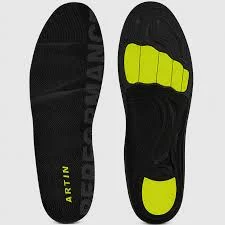
· Synthetic Athletic Insoles & Orthotics
Orthopedic Performance Insoles - 42-44
Unclear coating makeup. No disclosure creates minor uncertainty.
These insoles likely contain foam or gel without PFAS-based water repellents, but the brand has released no material details or PFAS information. Cushioning poses less risk than treated fabrics, though you can't verify the full breakdown.
Still want this one anyway? Check the price on Amazon. We’d swap it.
Material
foam, gel, or elastomer insole cushioning
Brand disclosure
Brand is silent on PFAS
Lab data
No public lab test
You may also be interested in
Top-graded picks in the categories readers replace first, every one scored on the same rubric.

- polypropylene filter housing, carbon/sediment cartridge
- We found no PFAS statement from the brand
- Bacterial growth in spent cartridges
3 hazards checked on this product, all on its full breakdown.

Aquasure
Premier Series 75 GPD Under Sink Reverse Osmosis Water Filtration System
- RO membrane, carbon filters, stainless steel housing
- We found no PFAS statement from the brand
- Bacterial and microbial growth in housing and filters
4 hazards checked on this product, all on its full breakdown.

Avocado
Vegan Mattress
- organic cotton, natural latex, coconut coir, recycled steel coils
- The brand calls it PFAS-free, which we have not verified
- Heavy metals
2 hazards checked on this product, all on its full breakdown.
What Orthopedic Performance Insoles - 42-44 is made of, ingredients and materials
Orthopedic insoles use cushioning foams, gels, or elastomers (likely EVA, polyurethane, or silicone compounds) to provide arch support. These materials are generally stable at body temperature and do not leach significantly into skin under normal wear. The hazard profile depends on what top coating or adhesive is used to bind layers, which the brand does not publicly disclose in detail.
What’s concerning
Category baseline
The starting point for this type of product, before anything specific to this product is counted.
No PFAS disclosure
No public statement from the brand about PFAS in this product.
Formaldehyde / VOCs
Polyurethane foams and polyester-based adhesives can emit low levels of volatile organic compounds or formaldehyde during initial use and storage. This is common in new foam products but typically dissipates within days to weeks of normal air exposure.
Source, ATSDR ↗Polymer degradation and microparticle shedding
Foam and gel insoles naturally degrade with repeated compression and friction. Long-term wear may produce fine particles that accumulate in socks and shoes, though no toxicological concern is established for dermal contact at this scale.
Bacterial or fungal colonization if not dried
Damp insoles can harbor bacteria and fungi if stored in sweaty shoes without air drying. This is a hygiene issue rather than a chemical hazard, but relevant to appropriate use.
What’s reassuring
Base material not linked to PFAS
The main material recorded for this product is not one associated with PFAS.
Heavy metals
No public recalls or test results document lead, cadmium, or other heavy metals in insoles. However, the brand does not disclose adhesive or dye suppliers, so complete assurance is not possible.
Source, FDA ↗Antimony in elastomer or polyester components
If elastomer layers contain polyester or antimony-catalyzed polymers, trace antimony may be present. No reports specific to this brand; typical for low-cost foam insoles but not quantified.
How is this PFAS grade calculated?
The brand's record and disclosure
The brand does not publicly publish material safety data sheets, chemical composition breakdowns, or certifications for heavy metals, formaldehyde, or flame retardants on their website or product packaging. The brand has not issued public statements about PFAS-based water or stain repellency in insoles. No significant recalls or chemical safety complaints have been documented in public databases for this product line.
How it compares in its category
Orthopedic insoles in this material class (foam and gel) carry lower chemical risk than synthetic textiles with dyes or flame retardants. Most competitors (Superfeet, Powerstep) also do not disclose full coating chemistry, so the brand is typical in transparency gaps. The absence of a fabric upper reduces allergen risk from dyes and finishes compared to full-contact footwear.
If you buy it
Store insoles away from direct heat and sunlight to slow foam degradation. Do not machine wash if they have adhesive layers; spot clean with mild soap and air dry. Replace every 12-18 months as cushioning compresses and support degrades. Monitor for any odor changes, discoloration, or surface stickiness, which may indicate breakdown of adhesives or coatings.
What is not known about PFAS in this product?
- Basis
- Model estimate, 62% confidence, not a lab result
- Lab test
- None on record for this exact product
- Brand statement
- has made none
Formulations change between production runs, so check the current label. How we grade.
More synthetic athletic insoles & orthotics grades
How we score, every product runs through the same public 0-100 rubric based on materials, coatings, brand disclosure, lab findings, and recalls. See the full methodology → Spotted a mistake? Report an error.