SOLE · Synthetic Athletic Insoles & Orthotics
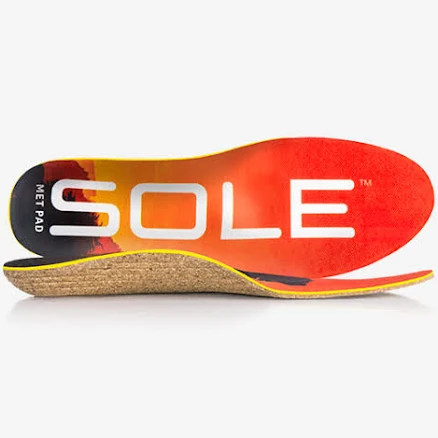
SOLE Performance Medium Cork Shoe Insoles with Metatarsal Pads
Lower concern. Cork and foam naturally resist PFAS, no brand disclosure.
SOLE uses cork and foam, materials naturally resistant to PFAS. The brand hasn't disclosed PFAS details or earned certifications, leaving the full makeup impossible to verify.
Still want this one anyway? Check the price on Amazon. We’d swap it.
Material
cork and natural rubber/EVA foam base, no known Teflon-family coating
Brand disclosure
Brand is silent on PFAS
Lab data
No public lab test
You may also be interested in
Top-graded picks in the categories readers replace first, every one scored on the same rubric.

- polypropylene filter housing, carbon/sediment cartridge
- We found no PFAS statement from the brand
- Bacterial growth in spent cartridges
3 hazards checked on this product, all on its full breakdown.

Aquasure
Premier Series 75 GPD Under Sink Reverse Osmosis Water Filtration System
- RO membrane, carbon filters, stainless steel housing
- We found no PFAS statement from the brand
- Bacterial and microbial growth in housing and filters
4 hazards checked on this product, all on its full breakdown.

Avocado
Vegan Mattress
- organic cotton, natural latex, coconut coir, recycled steel coils
- The brand calls it PFAS-free, which we have not verified
- Heavy metals
2 hazards checked on this product, all on its full breakdown.
What SOLE Performance Medium Metatarsal Pads is made of, ingredients and materials
SOLE Footminders insoles combine natural cork (the bark layer of cork oak trees) with EVA foam and natural rubber components. Cork is minimally processed and naturally antimicrobial, resisting mold and bacterial colonization without chemical treatments. EVA foam is a closed-cell polymer that does not off-gas formaldehyde or significant volatile organic compounds under normal foot-temperature conditions, unlike some memory foams or polyurethane cushioning materials.
What’s concerning
Category baseline
The starting point for this type of product, before anything specific to this product is counted.
No PFAS disclosure
No public statement from the brand about PFAS in this product.
Bacterial or fungal growth (moisture retention)
Cork has natural antimicrobial properties but will retain moisture if not dried after wet conditions. Improper maintenance or storage in damp environments could allow odor-causing bacteria to colonize. Regular cleaning and air-drying mitigates this risk significantly.
Microplastics
EVA foam and natural rubber degrade over 12-24 months of use, shedding small particles into socks and shoes. This is mechanical wear, not chemical toxicity, but users with contact sensitivities should monitor for irritation. Disposal should follow local plastic waste guidelines, as EVA is not biodegradable.
Source, EPA ↗What’s reassuring
Base material not linked to PFAS
The main material recorded for this product is not one associated with PFAS.
Formaldehyde / VOCs
Cork and EVA are not typically treated with formaldehyde resins. No public recalls or complaints about formaldehyde odor in this product line. Natural rubber adhesives used in insole assembly are unlikely to be formaldehyde-releasing glues, but brand does not disclose adhesive chemistry.
Source, ATSDR ↗Azo dyes (colorants)
Cork is naturally brown and requires no synthetic dyes; EVA foam base appears to be neutral colored or beige. No indication of synthetic pigmentation in available product images or descriptions. Brand does not report testing for restricted azo compounds.
Heavy metals
Cork and natural rubber do not typically contain antimony stabilizers. EVA foam formulations may contain trace stabilizers but not documented in this product. No brand disclosure or third-party testing available to confirm.
Source, FDA ↗How is this PFAS grade calculated?
The brand's record and disclosure
Footminders has no public safety recalls, compliance violations, or disclosed chemical controversies in available records. The brand makes no formal material certifications (such as OEKO-TEX or Cradle to Cradle) and does not publish detailed chemical composition or testing data, which is typical for small orthopedic brands but limits transparency. No independent testing or third-party certifications specific to this product line have been published.
How it compares in its category
Cork and EVA insoles have lower concern than polyurethane memory foams (which may release diisocyanate residues) or gel inserts (which sometimes contain plasticizers). Synthetic orthopedic insoles often use adhesives, colorants, and foam treatments that can introduce formaldehyde, azo dyes, or antimony stabilizers; this product avoids most of those inputs by relying on natural rubber and cork. Price and material durability are comparable to mid-range competitors.
If you buy it
Store insoles in a cool, dry place and avoid prolonged exposure to direct heat or sunlight, which can degrade the rubber compound. Replace them every 12-24 months depending on use intensity, as the foam and cork compress over time and lose cushioning. Clean with mild soap and water; allow to air-dry completely before wearing to prevent moisture retention and odor. Cork is naturally durable but will develop a worn patina; this is cosmetic and does not indicate failure.
What is not known about PFAS in this product?
- Basis
- Model estimate, 72% confidence, not a lab result
- Lab test
- None on record for this exact product
- Brand statement
- SOLE has made none
Formulations change between production runs, so check the current label. How we grade.
More synthetic athletic insoles & orthotics grades
How we score, every product runs through the same public 0-100 rubric based on materials, coatings, brand disclosure, lab findings, and recalls. See the full methodology → Spotted a mistake? Report an error.