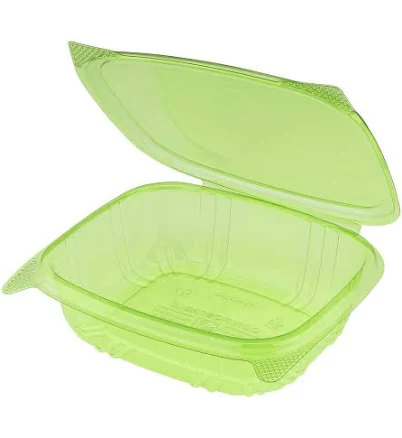
Karat Earth 24oz PLA Hinged Deli Container
Lower concern; PLA doesn't require PFAS, but verify Footprint's supply chain transparency.
Karat Earth's PLA hinged containers use plant-based polylactic acid that doesn't inherently require PFAS coatings. Footprint provides no public PFAS testing or supply-chain certifications.
We flunk more products than we pass. This one earned its grade. How we grade
Material
PLA (polylactic acid) bioplastic
Brand disclosure
Brand is silent on PFAS
Lab data
No public lab test
You may also be interested in
Top-graded picks in the categories readers replace first, every one scored on the same rubric.

- polypropylene filter housing, carbon/sediment cartridge
- We found no PFAS statement from the brand
- Bacterial growth in spent cartridges
3 hazards checked on this product, all on its full breakdown.

Aquasure
Premier Series 75 GPD Under Sink Reverse Osmosis Water Filtration System
- RO membrane, carbon filters, stainless steel housing
- We found no PFAS statement from the brand
- Bacterial and microbial growth in housing and filters
4 hazards checked on this product, all on its full breakdown.

Avocado
Vegan Mattress
- organic cotton, natural latex, coconut coir, recycled steel coils
- The brand calls it PFAS-free, which we have not verified
- Heavy metals
2 hazards checked on this product, all on its full breakdown.
What Karat Earth 24oz PLA Hinged Deli Container is made of, ingredients and materials
This container is PLA (polylactic acid), a plant-derived bioplastic made from corn starch or sugarcane. PLA does not inherently require PFAS additives for food contact performance, unlike some fluorinated polymers. The hinged design is injection-molded PLA with no glazes, coatings, or enamels that would introduce lead or cadmium. The main material concern for PLA is migration of unreacted monomers or plasticizers under heat, though food-grade PLA is formulated to minimize this.
What’s concerning
Category baseline
The starting point for this type of product, before anything specific to this product is counted.
No PFAS disclosure
No public statement from the brand about PFAS in this product.
PLA monomer and oligomer migration
Lactic acid oligomers can migrate into fatty or acidic foods under elevated temperature or prolonged contact; risk is low at room temperature and normal deli use but increases if containers are reheated or washed in hot water above 60°C.
Microplastics
PLA can fragment and shed microparticles if heated to 70°C or higher, or if mechanically abraded (scratching during washing or stacking). Risk is low for cold-food use but real if containers are washed in dishwashers on hot cycles or reheated.
Source, EPA ↗Degradation and brittleness over storage
PLA degrades faster than polyethylene or polypropylene under UV light, humidity, and warm storage. Containers left in sunlit areas or stored in warm, damp conditions may become brittle within months, though food-contact risk remains low.
What’s reassuring
Base material not linked to PFAS
The main material recorded for this product is not one associated with PFAS.
BPA & bisphenols
PLA formulation does not require BPA or BPS as a plasticizer; no published data suggests Karat Earth containers contain either. This is a genuine material advantage over polycarbonate or some polyester containers.
Source, FDA ↗Phthalate esters
PLA is not typically formulated with phthalates as plasticizers. No recalls or safety alerts for this product class mention phthalate contamination.
How is this PFAS grade calculated?
The brand's record and disclosure
Footprint is a known sustainable packaging manufacturer with third-party certifications (BPI compostability, FDA food-contact compliance). However, the brand has not publicly disclosed whether PFAS-free formulations are used across its PLA supply chain, and no independent testing of Karat Earth containers for PFAS has been published. The silence is notable but not disqualifying; Footprint's focus on compostable materials suggests lower reliance on PFAS than conventional plastics, but verification would strengthen confidence.
How it compares in its category
PLA deli containers present lower concern than polystyrene (which can leach styrene) and comparable concern to PP (polypropylene) regarding chemical leaching, but PLA has lower heat tolerance. This product is marketed as a greener alternative and avoids many hazards of petroleum-based plastics, though compostability claims depend on industrial composting access. For single-use food storage, PLA sits in the mid-to-upper safety range because it avoids BPA and phthalate risk inherent in some rigid plastics.
If you buy it
Do not microwave or expose to temperatures above 50-60°C (122-140°F) because PLA softens and may release trace monomers. Use for cold or room-temperature foods (deli salads, bakery items, prepared foods). Do not reuse for hot liquids. Discard if the container shows cloudiness, cracks, or warping, as these indicate polymer breakdown. If you have access to industrial composting, these containers are a legitimate end-of-life advantage over conventional plastics.
What is not known about PFAS in this product?
- Basis
- Model estimate, 78% confidence, not a lab result
- Lab test
- None on record for this exact product
- Brand statement
- Karat has made none
Formulations change between production runs, so check the current label. How we grade.
What are the PFAS-free alternatives to Karat Earth 24oz PLA Hinged Deli Container?
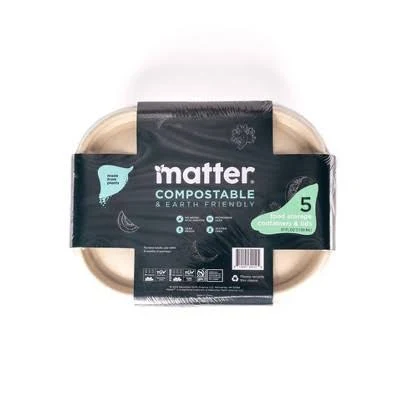
- Plant-based fiber pulp (compostable)
- A third party reports verifying it as PFAS-free
- Microbe/mold growth if stored damp
2 hazards checked on this product, all on its full breakdown.
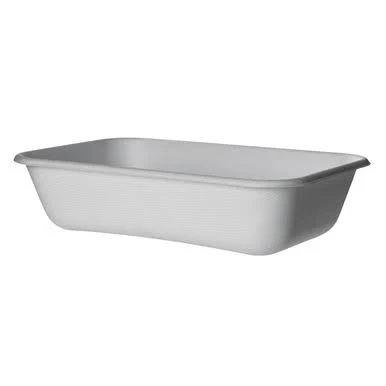
Eco-Products
Eco Products WorldView Compostable Take-Out Containers EP-SCRC32
- Plant-based fiber (compostable sugarcane bagasse)
- A third party reports verifying it as PFAS-free
- Bleaching agents and processing residues
3 hazards checked on this product, all on its full breakdown.
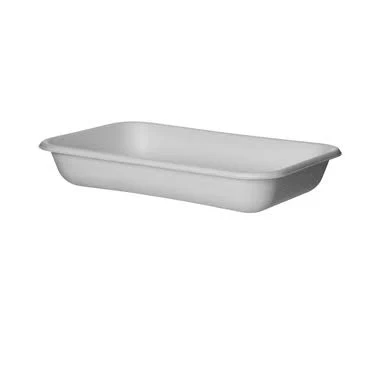
Eco-Products
WorldView Sugarcane Take-Out Containers
- Sugarcane bagasse (post-consumer fiber)
- A third party reports verifying it as PFAS-free
- Cellulose fiber degradation and food contact
2 hazards checked on this product, all on its full breakdown.
More food packaging grades
How we score, every product runs through the same public 0-100 rubric based on materials, coatings, brand disclosure, lab findings, and recalls. See the full methodology → Spotted a mistake? Report an error.