32 oz Plastic Deli Containers with Lids, 24 Pack
Lower concern; standard PP deli containers rarely use PFAS.
Freshware deli containers are polypropylene plastic with no disclosed coatings or treatments. PP is inherently lower PFAS risk, though brand makes no PFAS claim.
We flunk more products than we pass. This one earned its grade. How we grade
Material
Polypropylene (PP) plastic
Brand disclosure
Brand is silent on PFAS
Lab data
No public lab test
You may also be interested in
Top-graded picks in the categories readers replace first, every one scored on the same rubric.

- polypropylene filter housing, carbon/sediment cartridge
- We found no PFAS statement from the brand
- Bacterial growth in spent cartridges
3 hazards checked on this product, all on its full breakdown.

Aquasure
Premier Series 75 GPD Under Sink Reverse Osmosis Water Filtration System
- RO membrane, carbon filters, stainless steel housing
- We found no PFAS statement from the brand
- Bacterial and microbial growth in housing and filters
4 hazards checked on this product, all on its full breakdown.

Avocado
Vegan Mattress
- organic cotton, natural latex, coconut coir, recycled steel coils
- The brand calls it PFAS-free, which we have not verified
- Heavy metals
2 hazards checked on this product, all on its full breakdown.
What 32 oz Plastic Deli Containers Pack is made of, ingredients and materials
Freshware's containers are polypropylene (PP), a thermoplastic polymer with a melting point around 130°C (266°F). PP is considered a lower-leaching plastic for cold and warm food storage because it does not contain BPA, BPS, or phthalates by formulation. Unlike polycarbonate or some older plastics, PP does not degrade or leach into food at room temperature or mild heating. The clear, rigid construction of deli containers means no soft coatings, dyes, or adhesives are in direct food contact.
What’s concerning
Category baseline
The starting point for this type of product, before anything specific to this product is counted.
No PFAS disclosure
No public statement from the brand about PFAS in this product.
Microplastics
PP is stable below 100°C, but repeated dishwashing cycles, UV exposure, and mechanical stress can cause micro-scale scratches or brittleness over years of use. Cracks or cloudiness signal material degradation; containers at this stage should be replaced to avoid accidental ingestion of fragments.
Source, EPA ↗Lid seal integrity and food contamination risk
Freshware deli containers rely on snapped or hinged lids with no documented gasket or silicone seal. Over time, hinges loosen and seal tightness decreases, increasing risk of foodborne pathogen growth if stored at ambient temperature. Replace after visible hinge wear or if lids no longer seal firmly.
What’s reassuring
Base material not linked to PFAS
The main material recorded for this product is not one associated with PFAS.
BPA & bisphenols
Polypropylene is not formulated with bisphenol compounds. No recalls or reports of BPA/BPS contamination in Freshware deli containers are on record.
Source, FDA ↗Phthalate plasticizers
PP does not require phthalates for flexibility. This product category does not use phthalate-containing softeners.
Manufacturing or assembly residues (non-specific)
No published testing for lubricants, mold-release agents, or process oils in Freshware containers. Rinsing before first use is standard practice as precaution.
How is this PFAS grade calculated?
The brand's record and disclosure
Freshware is a private-label cookware and food-storage brand sold primarily through Amazon. No formal safety certifications (FDA, BPA-free verification, or third-party testing) are publicly documented for this product line. The brand has not issued recalls or disclosed any contamination incidents on record. Freshware's website does not detail material sourcing, manufacturing standards, or chemical use during production, making independent verification of manufacturing practices difficult.
How it compares in its category
Polypropylene deli containers are industry standard and widely used by food service and retail operations. They are chemically similar to most competitors (Rubbermaid, Glad, store brands). PP is generally preferred over PET (#1) for reheating and repeated use because it tolerates moderate heat without warping. Cost per unit is lower than glass alternatives, though durability over time depends on handling and dishwasher exposure.
If you buy it
Do not microwave or heat these containers above 100°C; use oven-safe glassware for reheating. Hand wash or use the top rack of the dishwasher to extend lid seal integrity and minimize wear on hinges. Replace containers if cracks, cloudiness, or warping appear, as damage can trap bacteria or allow small plastic fragments to enter food. Store away from direct sunlight and strong solvents to prevent embrittlement over time.
What is not known about PFAS in this product?
- Basis
- Model estimate, 72% confidence, not a lab result
- Lab test
- None on record for this exact product
- Brand statement
- Freshware has made none
Formulations change between production runs, so check the current label. How we grade.
What are the PFAS-free alternatives to 32 oz Plastic Deli Containers with Lids, 24 Pack?
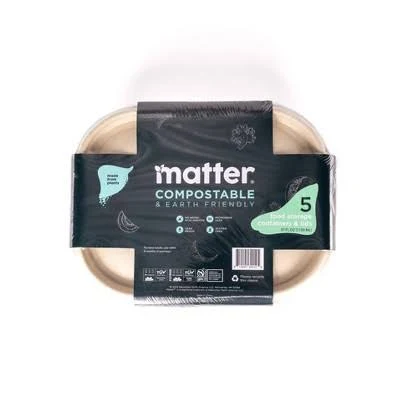
- Plant-based fiber pulp (compostable)
- A third party reports verifying it as PFAS-free
- Microbe/mold growth if stored damp
2 hazards checked on this product, all on its full breakdown.
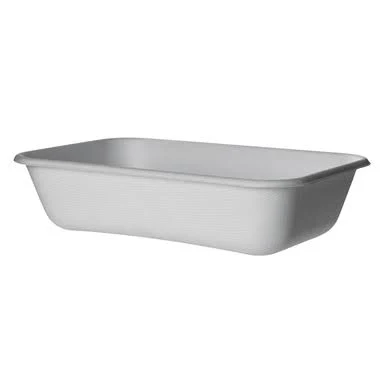
Eco-Products
Eco Products WorldView Compostable Take-Out Containers EP-SCRC32
- Plant-based fiber (compostable sugarcane bagasse)
- A third party reports verifying it as PFAS-free
- Bleaching agents and processing residues
3 hazards checked on this product, all on its full breakdown.
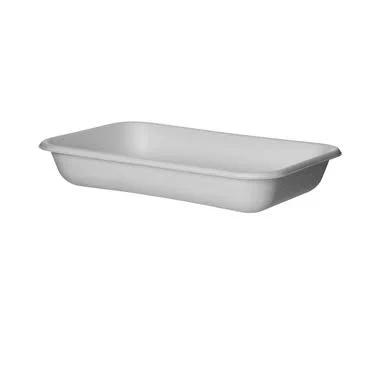
Eco-Products
WorldView Sugarcane Take-Out Containers
- Sugarcane bagasse (post-consumer fiber)
- A third party reports verifying it as PFAS-free
- Cellulose fiber degradation and food contact
2 hazards checked on this product, all on its full breakdown.
More food packaging grades
How we score, every product runs through the same public 0-100 rubric based on materials, coatings, brand disclosure, lab findings, and recalls. See the full methodology → Spotted a mistake? Report an error.