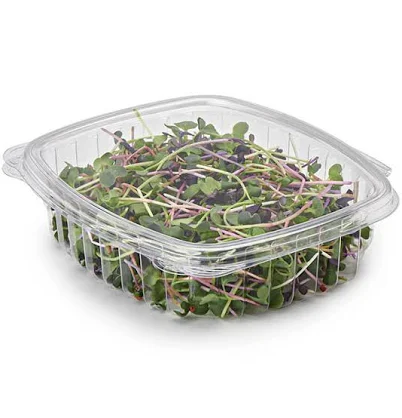
24 oz Compostable PLA Clear Clamshell Deli Containers w/Lids
Lower concern since PLA is not associated with PFAS, but confirm no coatings were added.
PLA plastic has no fluorine chemistry, so PFAS is unlikely unless a grease-resistant coating was added. The brand makes no PFAS-free claims or offers third-party verification.
We flunk more products than we pass. This one earned its grade. How we grade
Material
PLA (polylactic acid) plastic clamshell
Brand disclosure
Brand is silent on PFAS
Lab data
No public lab test
You may also be interested in
Top-graded picks in the categories readers replace first, every one scored on the same rubric.

- polypropylene filter housing, carbon/sediment cartridge
- We found no PFAS statement from the brand
- Bacterial growth in spent cartridges
3 hazards checked on this product, all on its full breakdown.

Aquasure
Premier Series 75 GPD Under Sink Reverse Osmosis Water Filtration System
- RO membrane, carbon filters, stainless steel housing
- We found no PFAS statement from the brand
- Bacterial and microbial growth in housing and filters
4 hazards checked on this product, all on its full breakdown.

Avocado
Vegan Mattress
- organic cotton, natural latex, coconut coir, recycled steel coils
- The brand calls it PFAS-free, which we have not verified
- Heavy metals
2 hazards checked on this product, all on its full breakdown.
What 24 oz Compostable PLA Clear w/Lids is made of, ingredients and materials
This product is polylactic acid (PLA), a plant-derived thermoplastic made from corn starch or sugarcane. PLA does not leach BPA, phthalates, or other endocrine disruptors under normal refrigeration and ambient storage. However, PLA softens above 50-60°C and can degrade if exposed to prolonged heat, oils, or acidic foods, potentially releasing oligomers (short polymer chains) in small quantities. For cold deli storage, its intended use, PLA is chemically stable and considered a low-toxicity food contact material.
What’s concerning
Category baseline
The starting point for this type of product, before anything specific to this product is counted.
No PFAS disclosure
No public statement from the brand about PFAS in this product.
Oligomer leaching (minor, temperature-dependent)
PLA can release short-chain polymer fragments if heated above 50°C or exposed to oils and acids. At room temperature and below, leaching is minimal and not associated with known health effects, but is not zero.
Microplastics
PLA fragments from scratched, degraded, or physically broken containers may shed microscopic particles into food. Risk increases with container age and reuse; lower concern for single-use foodservice applications.
Source, EPA ↗Bacterial or mold colonization (packaging-related)
Sealed PLA containers create condensation-prone microenvironments if food is packed while warm. This is a storage and handling issue, not a material defect, but common with this product type.
What’s reassuring
Base material not linked to PFAS
The main material recorded for this product is not one associated with PFAS.
BPA & bisphenols
PLA does not contain BPA or phthalate plasticizers by formulation. No reports of these substances in PLA products.
Source, FDA ↗Adhesive or ink migration from label/printing
No specific reports for this product. If labels or interior printing use low-migration inks and adhesives (standard in food packaging), risk is negligible. Verify manufacturer uses food-grade printing if purchasing high volumes.
How is this PFAS grade calculated?
The brand's record and disclosure
The brand is a mid-size foodservice supplier with no publicly documented safety recalls or material transparency scandals on record. The company does not publish detailed PFAS or chemical disclosure statements on this product line. BDV09007 carries standard FDA food contact compliance marking but lacks third-party certification (e.g., Green Seal, Cradle to Cradle) that would independently verify manufacturing hygiene or additive purity. No evidence of formaldehyde resin coatings or fluorinated post-treatments has been reported for this product.
How it compares in its category
PLA clamshells are not linked to the styrene monomer concerns associated with polystyrene (PS) takeout containers, and have a lower concern profile than recycled polyethylene terephthalate (rPET) when source material purity is unknown. Unlike polypropylene (PP), PLA does not tolerate hot or oily foods without degradation, limiting its versatility but reducing migration risk in cold storage. This product's 'compostable' claim aligns with ASTM D6868 industrial composting standards, though it poses no chemical advantage over standard PLA for food safety.
If you buy it
Keep containers below 50°C; use only for cold or room-temperature deli items (salads, cold cuts, prepared foods stored in refrigeration). Do not microwave or expose to hot liquids, as PLA warping accelerates leaching of minor oligomers. Replace containers every 6-12 months if reused for storage, as scratches and cloudiness indicate polymer degradation. Ensure food is cooled before sealing to avoid condensation that can promote mold or bacterial growth inside the closed container.
What is not known about PFAS in this product?
- Basis
- Model estimate, 78% confidence, not a lab result
- Lab test
- None on record for this exact product
- Brand statement
- has made none
Formulations change between production runs, so check the current label. How we grade.
What are the PFAS-free alternatives to 24 oz Compostable PLA Clear Clamshell Deli Containers w/Lids?
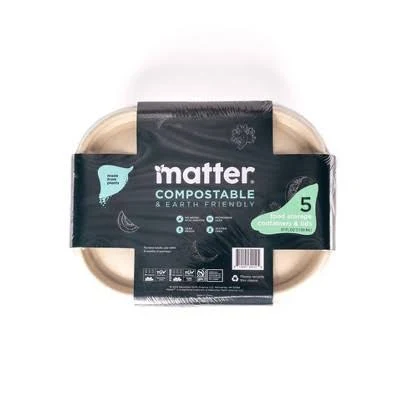
- Plant-based fiber pulp (compostable)
- A third party reports verifying it as PFAS-free
- Microbe/mold growth if stored damp
2 hazards checked on this product, all on its full breakdown.
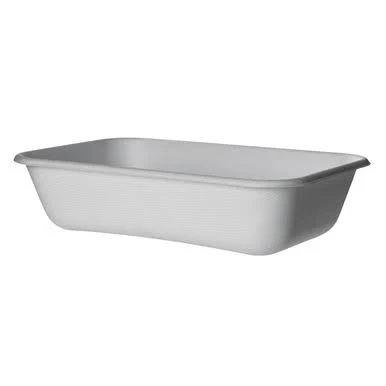
Eco-Products
Eco Products WorldView Compostable Take-Out Containers EP-SCRC32
- Plant-based fiber (compostable sugarcane bagasse)
- A third party reports verifying it as PFAS-free
- Bleaching agents and processing residues
3 hazards checked on this product, all on its full breakdown.
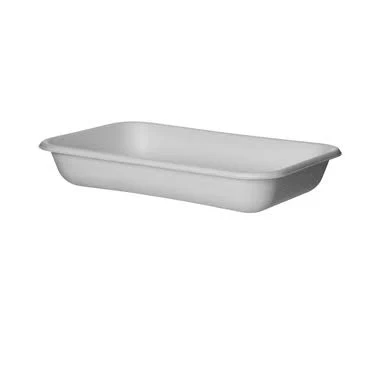
Eco-Products
WorldView Sugarcane Take-Out Containers
- Sugarcane bagasse (post-consumer fiber)
- A third party reports verifying it as PFAS-free
- Cellulose fiber degradation and food contact
2 hazards checked on this product, all on its full breakdown.
More food packaging grades
How we score, every product runs through the same public 0-100 rubric based on materials, coatings, brand disclosure, lab findings, and recalls. See the full methodology → Spotted a mistake? Report an error.