HOKA · Running & Athletic Shoes
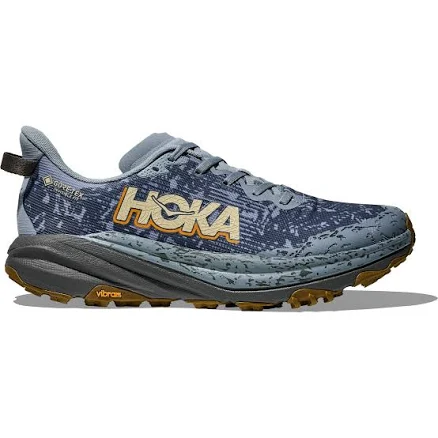
Hoka Men's Speedgoat 6 GTX
Skip until Hoka discloses PFAS or GTX waterproofing composition.
Hoka does not disclose PFAS use. GORE-TEX GTX membrane is waterproof but manufacturer transparency on PFAS in membranes or water-repellent coating treatments is unavailable. No third-party verification found.
Still want this one anyway? Check the price on Amazon. We’d swap it.
Material
Mesh/textile upper with GORE-TEX membrane
Brand disclosure
Brand is silent on PFAS
Lab data
No public lab test
You may also be interested in
Top-graded picks in the categories readers replace first, every one scored on the same rubric.

- polypropylene filter housing, carbon/sediment cartridge
- We found no PFAS statement from the brand
- Bacterial growth in spent cartridges
3 hazards checked on this product, all on its full breakdown.

Aquasure
Premier Series 75 GPD Under Sink Reverse Osmosis Water Filtration System
- RO membrane, carbon filters, stainless steel housing
- We found no PFAS statement from the brand
- Bacterial and microbial growth in housing and filters
4 hazards checked on this product, all on its full breakdown.

Avocado
Vegan Mattress
- organic cotton, natural latex, coconut coir, recycled steel coils
- The brand calls it PFAS-free, which we have not verified
- Heavy metals
2 hazards checked on this product, all on its full breakdown.
What Hoka Men's Speedgoat 6 GTX is made of, ingredients and materials
The Speedgoat 6 GTX uses a mesh textile upper bonded to a GORE-TEX membrane for waterproofing. GORE-TEX is a Teflon-family coating-based laminate historically associated with PFAS manufacturing and residual fluorine compounds in the finished material. The mesh itself is typically polyester or nylon, neither of which presents acute chemical hazards in standard footwear construction, but the waterproofing layer is where chemical concern concentrates.
What’s concerning
Waterproof / stain-resistant treatment
Water-repellent coating treatments have historically used PFAS.
Category baseline
The starting point for this type of product, before anything specific to this product is counted.
No PFAS disclosure
No public statement from the brand about PFAS in this product.
PFAS
GORE-TEX laminate manufacturing historically relies on PFAS chemistry; Hoka provides no test data or composition disclosure for this model, making residual PFAS presence in the finished shoe likely though unquantified.
Source, ATSDR ↗Formaldehyde / VOCs
Seam sealing and laminate adhesion in GORE-TEX shoes may use formaldehyde-based cross-linkers; Hoka does not disclose adhesive chemistry. Volatilization risk is low in an open-air shoe but not zero during the first few weeks of use.
Source, ATSDR ↗Membrane degradation and microfiber shedding
GORE-TEX laminates can shed microfibers when compressed, folded, or washed aggressively. Shed microfibers are a microplastic concern in water systems; washing this shoe contributes to aquatic microplastic load.
What’s reassuring
Azo dyes in textile upper
No recalls or specific hazard reports exist for Hoka mesh uppers. Azo dyes are regulated in textile manufacturing across major brands, though routine testing records are rarely public.
Antimony in polyester components
If the mesh or lining uses polyester, antimony trioxide (a catalyst) may be present in trace amounts. No specific hazard or recall data exists for this product; this is a general polyester footwear consideration.
How is this PFAS grade calculated?
The brand's record and disclosure
Hoka has not publicly disclosed the specific PFAS composition or manufacturing process of products using GORE-TEX or other waterproofing membranes. The brand has not published a PFAS policy, phase-out timeline, or testing results for this shoe line. This silence is notable given that competitors (Salomon, some Merrell lines) have begun transparency initiatives around membrane chemistry.
How it compares in its category
Trail running shoes with GORE-TEX are common, but increasing alternatives exist, non-membrane designs with treated textile uppers, or shoes using Teflon-type coating-free waterproofing systems (e.g., eVent, Polartec NeoShell). The Speedgoat 6 GTX does not stand out for chemical transparency. Many competitors in the premium trail segment offer similar performance without GORE-TEX or with explicit PFAS reduction claims.
If you buy it
Wash in cool water and mild detergent; avoid tumble drying, which can degrade the membrane. Do not apply waterproofing sprays or treatments (many contain additional PFAS or solvents). Inspect the GORE-TEX seams and bonding annually for separation or pilling, which signals membrane failure. Expect 500-800 miles of trail use before membrane degradation becomes noticeable; replacement is not field-repairable.
What is not known about PFAS in this product?
- Basis
- Model estimate, 35% confidence, not a lab result
- Lab test
- None on record for this exact product
- Brand statement
- HOKA has made none
Formulations change between production runs, so check the current label. How we grade.
What are the PFAS-free alternatives to Hoka Men's Speedgoat 6 GTX?
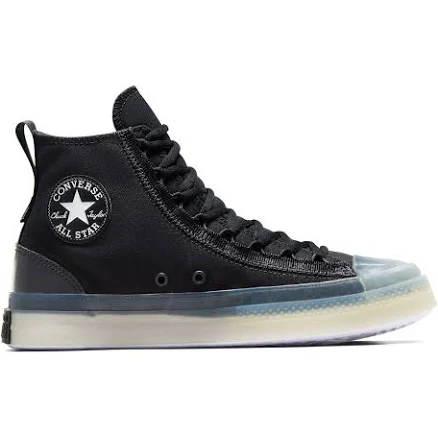
- Canvas upper, rubber sole
- We found no PFAS statement from the brand
- Azo dyes in canvas
2 hazards checked on this product, all on its full breakdown.
Find an alternative on Amazon
- Canvas, rubber sole
- We found no PFAS statement from the brand
- Azo dyes and synthetic dyes
4 hazards checked on this product, all on its full breakdown.
Find an alternative on Amazon
- Mesh upper, Fresh Foam midsole, rubber outsole
- We found no PFAS statement from the brand
- Azo dyes and color-based toxins
2 hazards checked on this product, all on its full breakdown.
Find an alternative on AmazonMore running & athletic shoes grades
How we score, every product runs through the same public 0-100 rubric based on materials, coatings, brand disclosure, lab findings, and recalls. See the full methodology → Spotted a mistake? Report an error.