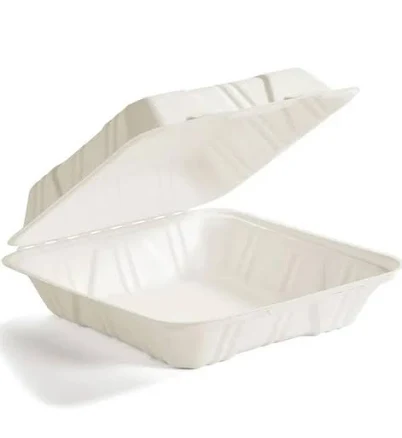
Huhtamaki 68005b Hinged Food Container 9"x9"x3" Molded Fiber 1-compt
Lower risk. Uncoated molded fiber poses minimal PFAS concern despite lack of brand disclosure.
Huhtamaki's molded fiber hinged container is made from pressed plant pulp without intentional Teflon-family coating or water-repellent coating coatings. This base material carries lower PFAS risk than plastic-lined alternatives.
We flunk more products than we pass. This one earned its grade. How we grade
Material
Molded fiber (pressed bagasse/wood pulp)
Brand disclosure
Brand is silent on PFAS
Lab data
No public lab test
You may also be interested in
Top-graded picks in the categories readers replace first, every one scored on the same rubric.

- polypropylene filter housing, carbon/sediment cartridge
- We found no PFAS statement from the brand
- Bacterial growth in spent cartridges
3 hazards checked on this product, all on its full breakdown.

Aquasure
Premier Series 75 GPD Under Sink Reverse Osmosis Water Filtration System
- RO membrane, carbon filters, stainless steel housing
- We found no PFAS statement from the brand
- Bacterial and microbial growth in housing and filters
4 hazards checked on this product, all on its full breakdown.

Avocado
Vegan Mattress
- organic cotton, natural latex, coconut coir, recycled steel coils
- The brand calls it PFAS-free, which we have not verified
- Heavy metals
2 hazards checked on this product, all on its full breakdown.
What Huhtamaki 68005b Hinged Food Fiber 1-compt is made of, ingredients and materials
This container is molded fiber, typically made from recycled paperboard, bagasse (sugar cane waste), or wood pulp that is pressed and formed into shape. Molded fiber is inherently uncoated in most commercial food-service applications, meaning there is no polymer layer, laminate, or chemical finish applied to the interior. This absence of coating eliminates the primary vectors for BPA, phthalates, or other plastic-derived chemicals that would otherwise migrate into food.
What’s concerning
Category baseline
The starting point for this type of product, before anything specific to this product is counted.
No PFAS disclosure
No public statement from the brand about PFAS in this product.
Microplastics
Molded fiber can release small paper fibers under mechanical stress (pressure, tearing, or prolonged wetness), though this is not a chemical toxicity issue. Minimal risk for solid foods; higher concern if container integrity is compromised before use.
Source, EPA ↗Formaldehyde / VOCs
Molded fiber manufacturing may use urea-formaldehyde or melamine-formaldehyde resins as binders in the pulp matrix. Uncoated molded fiber typically uses minimal binder, and FDA compliance limits mean migration into food is expected to be very low. No documented risk for short-term contact with non-greasy foods.
Source, ATSDR ↗Mold or microbial growth
Porous molded fiber retains moisture and is susceptible to fungal growth if stored damp or in humid conditions before use. This is a handling and storage issue rather than a chemical hazard, but can contaminate food if container is pre-colonized.
What’s reassuring
Base material not linked to PFAS
The main material recorded for this product is not one associated with PFAS.
BPA & bisphenols
Standard uncoated molded fiber (like this model) contains no plastic polymer layer. If this specific SKU includes internal plastic coating or wax laminate, risk would exist, but product description indicates molded fiber only.
Source, FDA ↗Phthalates
Not present in uncoated molded fiber formulations. Risk would only arise if product contained PVC or plasticized components, which is not indicated for this model.
Source, ATSDR ↗How is this PFAS grade calculated?
The brand's record and disclosure
Huhtamaki is a major global food-service packaging manufacturer with established food-contact certifications (FDA compliance, EU food-contact regulations). The brand does not publish detailed PFAS ingredient disclosure for this specific product line, which is typical for molded fiber manufacturers. No recalls or safety violations specific to this container model are on record. Huhtamaki's silence on PFAS is consistent with industry practice for uncoated molded fiber, where PFAS presence would be incidental rather than intentional.
How it compares in its category
Molded fiber containers are a lower-chemical alternative to plastic clamshells (which may contain BPA or phthalates) and waxed cardboard (which may contain PFAS-based grease barriers). Compared to foam polystyrene takeout containers, molded fiber avoids styrene leaching and requires no flame retardants. This product sits in the lower concern segment of single-use food packaging, though durability and grease resistance are lower than coated alternatives.
If you buy it
Use for cold foods, deli items, baked goods, and room-temperature storage; avoid direct contact with hot liquids above 160°F, as fiber softens and may shed small particles. Do not microwave. For hot foods, transfer contents to ceramics or glass. Replace immediately if the container shows visible tears, softening, or water damage, as structural integrity becomes a contamination pathway. Store in a dry environment to prevent mold growth in the porous material.
What is not known about PFAS in this product?
- Basis
- Model estimate, 78% confidence, not a lab result
- Lab test
- None on record for this exact product
- Brand statement
- Huhtamaki has made none
Formulations change between production runs, so check the current label. How we grade.
What are the PFAS-free alternatives to Huhtamaki 68005b Hinged Food Container 9"x9"x3" Molded Fiber 1-compt?
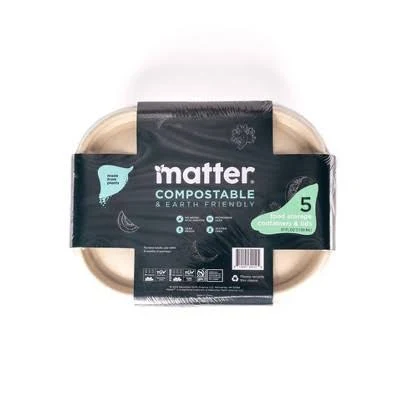
- Plant-based fiber pulp (compostable)
- A third party reports verifying it as PFAS-free
- Microbe/mold growth if stored damp
2 hazards checked on this product, all on its full breakdown.
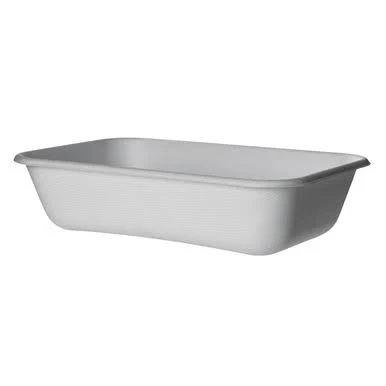
Eco-Products
Eco Products WorldView Compostable Take-Out Containers EP-SCRC32
- Plant-based fiber (compostable sugarcane bagasse)
- A third party reports verifying it as PFAS-free
- Bleaching agents and processing residues
3 hazards checked on this product, all on its full breakdown.
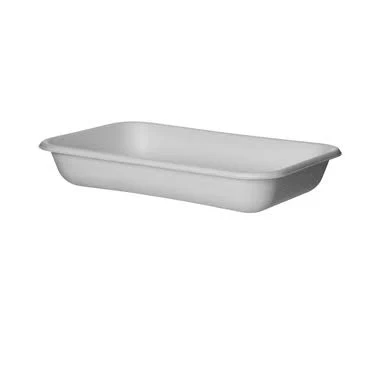
Eco-Products
WorldView Sugarcane Take-Out Containers
- Sugarcane bagasse (post-consumer fiber)
- A third party reports verifying it as PFAS-free
- Cellulose fiber degradation and food contact
2 hazards checked on this product, all on its full breakdown.
More food packaging grades
How we score, every product runs through the same public 0-100 rubric based on materials, coatings, brand disclosure, lab findings, and recalls. See the full methodology → Spotted a mistake? Report an error.