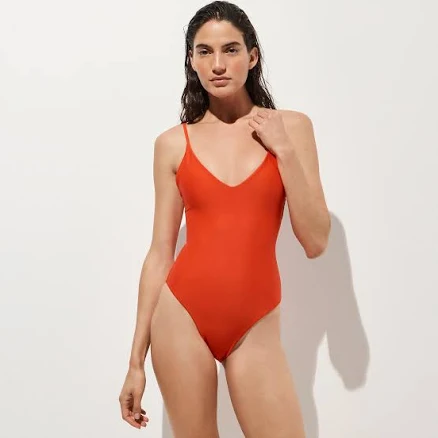
J.Crew Lana Classic Sculpt One-piece
Lower concern. Standard swimwear with no known PFAS treatment triggers.
The Lana Classic Sculpt is a nylon-spandex one-piece with no disclosed water-resistant or stain-resistant finish. J.Crew has made no public PFAS claims or verification.
The better-graded swap
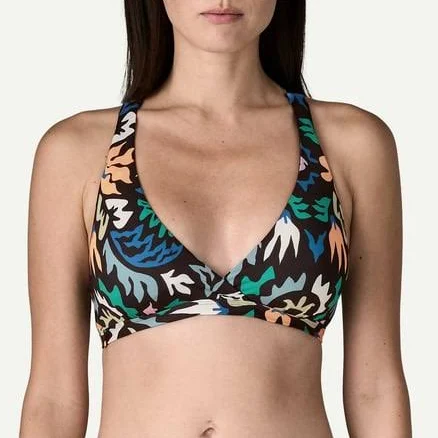
Patagonia
Patagonia Women's Bottom Turn Racerback Bikini Top
90/100 safety
Same rubric that flunked this product. The swap earned Excellent.
Still want this one anyway? Check the price on Amazon. We’d swap it.
Material
Nylon/spandex blend (swimsuit)
Brand disclosure
Brand is silent on PFAS
Lab data
No public lab test
You may also be interested in
Top-graded picks in the categories readers replace first, every one scored on the same rubric.

- polypropylene filter housing, carbon/sediment cartridge
- We found no PFAS statement from the brand
- Bacterial growth in spent cartridges
3 hazards checked on this product, all on its full breakdown.

Aquasure
Premier Series 75 GPD Under Sink Reverse Osmosis Water Filtration System
- RO membrane, carbon filters, stainless steel housing
- We found no PFAS statement from the brand
- Bacterial and microbial growth in housing and filters
4 hazards checked on this product, all on its full breakdown.

Avocado
Vegan Mattress
- organic cotton, natural latex, coconut coir, recycled steel coils
- The brand calls it PFAS-free, which we have not verified
- Heavy metals
2 hazards checked on this product, all on its full breakdown.
What J.Crew Lana Classic Sculpt One-piece is made of, ingredients and materials
The Lana Classic Sculpt is a nylon and spandex (elastane) blend, the industry standard for swimwear. Nylon is a synthetic polyamide that does not leach known toxic compounds into skin or water under normal use. Spandex provides stretch and recovery; neither material releases concerning chemicals during typical swimming or laundering. The blend is inherently chlorine-resistant compared to cotton, reducing degradation in pool environments.
What’s concerning
Category baseline
The starting point for this type of product, before anything specific to this product is counted.
No PFAS disclosure
No public statement from the brand about PFAS in this product.
Spandex fiber shedding and microplastic generation
All synthetic swimwear sheds microscopic fibers during washing and wear. Spandex is particularly prone to this degradation in chlorine. The Lana line carries identical risk as any nylon/spandex swimsuit; no evidence suggests J.Crew's manufacturing differs in a way that increases or decreases shedding.
Elastic degradation and stitching integrity under UV and chlorine stress
All swimwear elastics degrade over time with sun and chemical exposure. The Lana line uses standard J.Crew construction; no independent durability testing is publicly available. Stitching failure is a wear concern, not a chemical safety issue, but degraded elastic may contact skin directly.
What’s reassuring
Base material not linked to PFAS
The main material recorded for this product is not one associated with PFAS.
Heavy metals
No public reports of problematic dyes in J.Crew swimwear. Nylon accepts acid dyes readily, and reputable manufacturers avoid banned azo dyes; J.Crew's supply chain does not appear flagged for dye-related recalls or contamination.
Source, FDA ↗Formaldehyde / VOCs
Swimwear typically uses minimal wet-finish chemistry compared to apparel; formaldehyde-release finishes are uncommon in nylon/spandex blends. No recalls or complaints specific to the Lana Classic Sculpt indicate formaldehyde exposure.
Source, ATSDR ↗Antimony residues in synthetic fibers
Antimony trioxide is used as a polyester catalyst but does not appear in nylon or spandex manufacturing. The Lana blend contains no polyester, so antimony contamination is not a concern for this product.
How is this PFAS grade calculated?
The brand's record and disclosure
J.Crew does not publicly disclose detailed material safety testing, restricted substance lists, or third-party certifications for swimwear lines. The brand has no documented recalls or toxicology controversies specific to this product. J.Crew is not a signatory to major swimwear-specific environmental or chemical transparency initiatives, but this silence does not indicate a known problem with the Lana line.
How it compares in its category
Nylon/spandex is the dominant swimwear material across price tiers. The Lana Classic Sculpt occupies mid-market positioning; it does not stand out as higher or lower risk than comparable offerings from Gap, Banana Republic, or specialty swimwear brands. Premium brands (Speedo, Aerie) occasionally pursue additional certifications; budget options carry identical material chemistry. No category-wide hazard differentiates J.Crew here.
If you buy it
Rinse with fresh water immediately after chlorine or saltwater exposure to prevent fiber stress and color fading. Wash in cool water with gentle detergent; hot water accelerates nylon degradation and may affect spandex elasticity. Air dry away from direct heat or sunlight to preserve fiber integrity. Replace after 50-80 swim sessions or when elastic visibly loses recovery; degraded spandex does not pose a hazard but indicates reduced performance.
What is not known about PFAS in this product?
- Basis
- Model estimate, 72% confidence, not a lab result
- Lab test
- None on record for this exact product
- Brand statement
- J.Crew has made none
Formulations change between production runs, so check the current label. How we grade.
What are the PFAS-free alternatives to J.Crew Lana Classic Sculpt One-piece?
- Nylon/polyester blend with elastane (standard swimwear)
- The brand calls it PFAS-free, which we have not verified
- Elastane (spandex) degradation under heat or chlorine
More swimwear grades
How we score, every product runs through the same public 0-100 rubric based on materials, coatings, brand disclosure, lab findings, and recalls. See the full methodology → Spotted a mistake? Report an error.