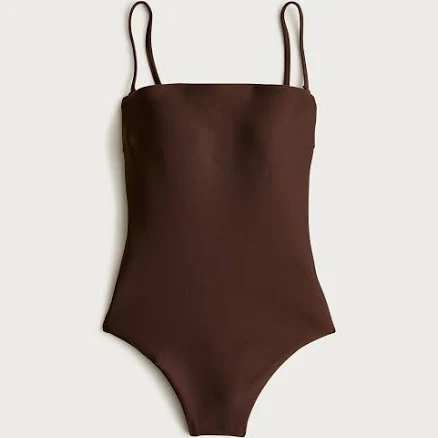
J.Crew Women's Long-Torso Gemma One-Piece
Lower concern. Typical swimwear with no known PFAS red flags. J.Crew doesn't disclose treatment details.
This one-piece is standard nylon and spandex without obvious water-repellent or stain-resistant treatment language. J.Crew doesn't publicly commit to PFAS-free or verified materials.
The better-graded swap
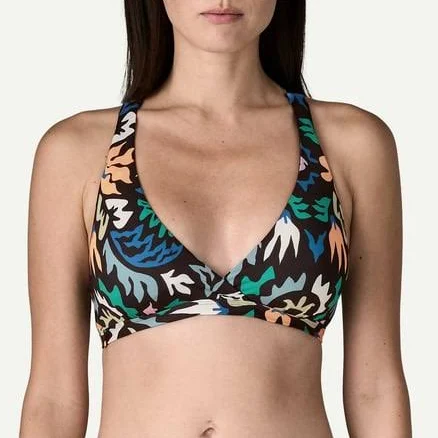
Patagonia
Patagonia Women's Bottom Turn Racerback Bikini Top
90/100 safety
Same rubric that flunked this product. The swap earned Excellent.
Still want this one anyway? Check the price on Amazon. We’d swap it.
Material
nylon/spandex blend swimwear
Brand disclosure
Brand is silent on PFAS
Lab data
No public lab test
You may also be interested in
Top-graded picks in the categories readers replace first, every one scored on the same rubric.

- polypropylene filter housing, carbon/sediment cartridge
- We found no PFAS statement from the brand
- Bacterial growth in spent cartridges
3 hazards checked on this product, all on its full breakdown.

Aquasure
Premier Series 75 GPD Under Sink Reverse Osmosis Water Filtration System
- RO membrane, carbon filters, stainless steel housing
- We found no PFAS statement from the brand
- Bacterial and microbial growth in housing and filters
4 hazards checked on this product, all on its full breakdown.

Avocado
Vegan Mattress
- organic cotton, natural latex, coconut coir, recycled steel coils
- The brand calls it PFAS-free, which we have not verified
- Heavy metals
2 hazards checked on this product, all on its full breakdown.
What J.Crew Women's Long-Torso Gemma One-Piece is made of, ingredients and materials
The Gemma One-Piece uses a nylon-spandex (elastane) blend, the industry standard for swimwear because nylon resists chlorine degradation better than cotton and spandex provides stretch and shape retention. Nylon itself is a synthetic polymer with no inherent toxicity concerns when properly manufactured. The 'water-resistant' claim refers to quick-dry properties, not waterproofing chemicals, which typically rely on water-repellent coating (water-repellent coating) coatings that may contain PFAS (assessed separately). Spandex fibers are durable and non-toxic but shed microfibers when washed, though swimwear microfiber shedding is minimal compared to synthetic textiles worn more frequently.
What’s concerning
Category baseline
The starting point for this type of product, before anything specific to this product is counted.
No PFAS disclosure
No public statement from the brand about PFAS in this product.
water-repellent coating (water-repellent coating) coatings on nylon
Water-resistant treatment on the Gemma likely involves water-repellent coating chemistry; J.Crew does not specify whether this uses PFAS-based or alternative formulations. PFAS assessment is graded separately, but conventional water-repellent coating coatings may leach minimally with wear and laundering.
Microfiber shedding from synthetic textiles
All synthetic swimwear sheds microfibers during washing; nylon-spandex shedding is moderate and lower than polyester or acrylic. Microfiber release is a product-use issue rather than a manufacturing hazard, and unavoidable with this material class.
What’s reassuring
Base material not linked to PFAS
The main material recorded for this product is not one associated with PFAS.
Synthetic dye stability and allergen potential
Nylon accepts acid and disperse dyes reliably; no known reports of J.Crew swimwear causing contact dermatitis or dye migration. Color stability on nylon is excellent. Spandex dyes occasionally trigger sensitivity in users with reactive skin, but this is rare and product-agnostic.
Spandex elastane degradation and wear products
Elastane fibers naturally degrade over time from UV, chlorine, and temperature stress; breakdown products are not classified as toxic. No evidence of harmful chemical release from degraded J.Crew spandex garments in use.
Formaldehyde / VOCs
Nylon and spandex do not require formaldehyde resin treatments typical of cotton blends. No public record of formaldehyde concerns in J.Crew swimwear; industry standard for synthetic swimwear avoids these finishes.
Source, ATSDR ↗How is this PFAS grade calculated?
The brand's record and disclosure
J.Crew does not publicly disclose detailed chemical composition, water-repellent coating treatment specifics, or dye sources for swimwear products. The brand has no known major chemical safety recalls for swimwear and does not advertise third-party certifications like Oeko-Tex or GOTS for this category. J.Crew's transparency on manufacturing standards and chemical restrictions is limited compared to brands like Patagonia or Reformation, though this reflects typical practice in mainstream fashion rather than a red flag. No formal controversies regarding J.Crew swimwear safety appear in public record.
How it compares in its category
Nylon-spandex one-pieces are the mainstream baseline for swim comfort and durability; this product occupies the mid-market tier where safety profile is standard. Premium brands (Patagonia, Girlfriend Collective) provide third-party testing and PFAS-free water-repellent coating alternatives; budget retailers (H&M, Target) offer identical material compositions with less disclosure. J.Crew's pricing and positioning place it alongside brands like Lands' End and L.L.Bean, which similarly lack detailed chemical transparency but maintain comparable safety records. For a standard chlorinated-pool or ocean-use garment, nylon-spandex presents lower concern for degradation over polyester or untreated fabrics.
If you buy it
Rinse immediately after chlorine or salt water exposure to extend fiber life and reduce dye bleed. Machine wash in cool water with mild detergent, and air dry to prevent elastic breakdown; avoid high heat dryers which degrade spandex. Replace after 2-3 seasons of regular use or when elastic loses recovery, as stretched fabric no longer functions as intended. Hand wash is not necessary but prolongs lifespan; chlorine exposure is the primary driver of degradation, not washing method.
What is not known about PFAS in this product?
- Basis
- Model estimate, 72% confidence, not a lab result
- Lab test
- None on record for this exact product
- Brand statement
- J.Crew has made none
Formulations change between production runs, so check the current label. How we grade.
What are the PFAS-free alternatives to J.Crew Women's Long-Torso Gemma One-Piece?
- Nylon/polyester blend with elastane (standard swimwear)
- The brand calls it PFAS-free, which we have not verified
- Elastane (spandex) degradation under heat or chlorine
More swimwear grades
How we score, every product runs through the same public 0-100 rubric based on materials, coatings, brand disclosure, lab findings, and recalls. See the full methodology → Spotted a mistake? Report an error.