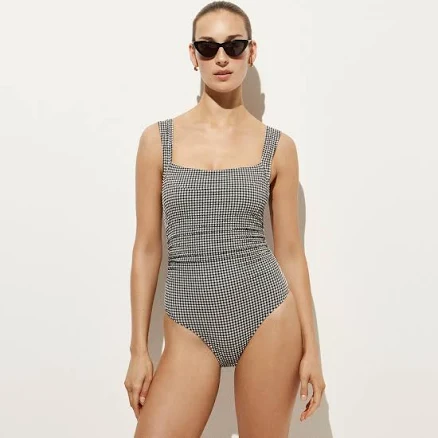
J.Crew Women's Long-torso Nia ruched squareneck one-piece in gingham
Lower concern. Basic apparel with no coatings flagged. J.Crew doesn't disclose finish chemistry.
This is a standard gingham one-piece with no documented water-repellent, stain-resistant, or nonstick coating. J.Crew hasn't publicly disclosed PFAS use or avoidance.
The better-graded swap
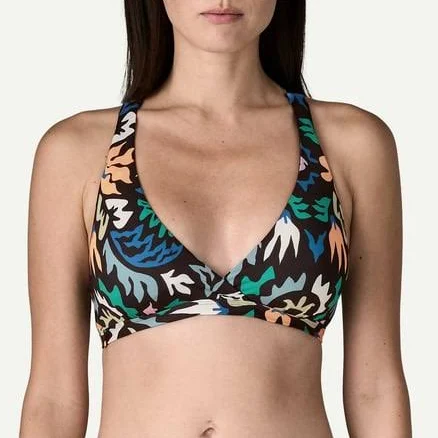
Patagonia
Patagonia Women's Bottom Turn Racerback Bikini Top
90/100 safety
Same rubric that flunked this product. The swap earned Excellent.
Still want this one anyway? Check the price on Amazon. We’d swap it.
Material
Cotton-blend gingham weave (likely cotton/polyester blend)
Brand disclosure
Brand is silent on PFAS
Lab data
No public lab test
You may also be interested in
Top-graded picks in the categories readers replace first, every one scored on the same rubric.

- polypropylene filter housing, carbon/sediment cartridge
- We found no PFAS statement from the brand
- Bacterial growth in spent cartridges
3 hazards checked on this product, all on its full breakdown.

Aquasure
Premier Series 75 GPD Under Sink Reverse Osmosis Water Filtration System
- RO membrane, carbon filters, stainless steel housing
- We found no PFAS statement from the brand
- Bacterial and microbial growth in housing and filters
4 hazards checked on this product, all on its full breakdown.

Avocado
Vegan Mattress
- organic cotton, natural latex, coconut coir, recycled steel coils
- The brand calls it PFAS-free, which we have not verified
- Heavy metals
2 hazards checked on this product, all on its full breakdown.
What J.Crew Women's Long-torso Nia gingham is made of, ingredients and materials
This is a cotton-polyester blend gingham weave, typical for casual swimwear construction. The cotton provides breathability and comfort; polyester adds durability and elasticity. The weave itself is uncoated (gingham is a woven pattern, not a finish treatment), so there is no water-resistant membrane or Teflon-type coating-type coating that would introduce chemical hazard. The blend is standard across mainstream apparel and carries no known material-level toxicity concerns at production fiber stage.
What’s concerning
Category baseline
The starting point for this type of product, before anything specific to this product is counted.
No PFAS disclosure
No public statement from the brand about PFAS in this product.
Azo dyes (reactive and direct dyes in gingham printing)
Gingham patterns typically use azo dyes applied during fabric printing. While regulated in EU and restricted in some dyes, non-certified apparel may use non-banned azo dyes. Dermal migration is low in finished fabric, but allergic contact dermatitis is possible in sensitive individuals.
Formaldehyde / VOCs
Cotton-blend apparel often undergoes formaldehyde-based cross-linking or wrinkle resistance treatment. Levels in finished swimwear are typically low and decline with initial washing, but off-gassing is documented in unwashed garments, particularly when stored in sealed packaging.
Source, ATSDR ↗Heavy metals
Textile dyes can contain trace copper, chromium, or lead depending on dye class and process control. No specific testing is available for this product; risk is general to unaudited production but typically below dermal exposure threshold in finished goods.
Source, FDA ↗Degradation and microfiber shedding over time
Polyester component will shed microfibers with wear and washing. Gingham weave is prone to pilling and fraying at seams. This is a durability and environmental concern rather than acute toxicity, but relevant for lifecycle impact.
Residual processing chemicals and oils
Cotton and polyester manufacturing involves sizing agents, lubricants, and softeners that may remain on new fabric. Initial wash removes most; however, unwashed wear against skin can cause irritation in sensitive individuals.
What’s reassuring
Base material not linked to PFAS
The main material recorded for this product is not one associated with PFAS.
How is this PFAS grade calculated?
The brand's record and disclosure
J.Crew does not publicly disclose dye, finish, or chemical sourcing for swimwear. The brand has not pursued bluesign, GOTS, or similar third-party textile certifications, and has not faced major chemical or labor-related recalls in the apparel category. As a mass-market retailer, J.Crew relies on industry-standard finishing without transparency into specific dye chemistry or antimicrobial treatments applied during manufacturing. No documented controversies specific to this product line.
How it compares in its category
Cotton-blend swimwear is mid-range in safety profile, it avoids synthetic-only suits (polyamide/spandex) that sometimes carry undisclosed finish treatments. Uncoated gingham also avoids the water-repellent fluorocarbon finishes common in technical swimwear. Against certified organic or bluesign-audited alternatives, this product offers less transparency, but matches the disclosure and hazard baseline of most mainstream retailers like Target, Old Navy, and department-store house brands.
If you buy it
Rinse promptly after salt or chlorine exposure to prevent dye breakdown and fiber degradation. Wash in cool water with mild detergent; avoid bleach and high heat, which can degrade elasticity and release residual dye. Air dry to preserve color and fiber integrity. Replace when elastic waistband or seams show wear (typically 1-2 seasons of regular use). Do not assume water resistance is permanent; uncoated cotton-blend will absorb and become heavier when wet.
What is not known about PFAS in this product?
- Basis
- Model estimate, 72% confidence, not a lab result
- Lab test
- None on record for this exact product
- Brand statement
- J.Crew has made none
Formulations change between production runs, so check the current label. How we grade.
What are the PFAS-free alternatives to J.Crew Women's Long-torso Nia ruched squareneck one-piece in gingham?
- Nylon/polyester blend with elastane (standard swimwear)
- The brand calls it PFAS-free, which we have not verified
- Elastane (spandex) degradation under heat or chlorine
More swimwear grades
How we score, every product runs through the same public 0-100 rubric based on materials, coatings, brand disclosure, lab findings, and recalls. See the full methodology → Spotted a mistake? Report an error.