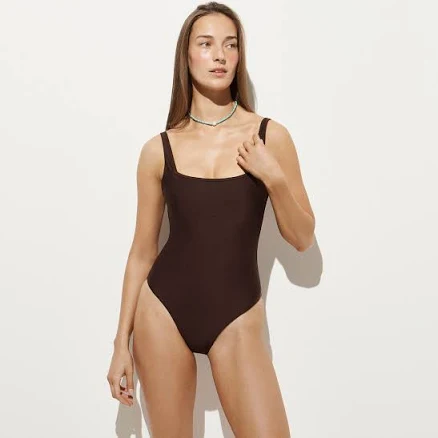
J.Crew Women's Squareneck One-piece
Lower concern. Untreated swimwear fabric, but J.Crew makes no PFAS promises.
A standard one-piece of nylon and spandex with no known water-repellent coating or stain-resist treatment applied. J.Crew doesn't disclose PFAS use or absence in this product.
The better-graded swap
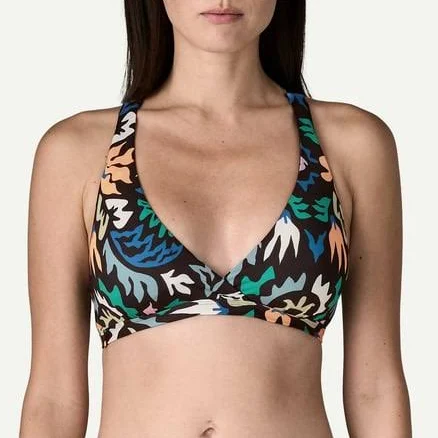
Patagonia
Patagonia Women's Bottom Turn Racerback Bikini Top
90/100 safety
Same rubric that flunked this product. The swap earned Excellent.
Still want this one anyway? Check the price on Amazon. We’d swap it.
Material
Nylon/spandex blend swimwear
Brand disclosure
Brand is silent on PFAS
Lab data
No public lab test
You may also be interested in
Top-graded picks in the categories readers replace first, every one scored on the same rubric.

- polypropylene filter housing, carbon/sediment cartridge
- We found no PFAS statement from the brand
- Bacterial growth in spent cartridges
3 hazards checked on this product, all on its full breakdown.

Aquasure
Premier Series 75 GPD Under Sink Reverse Osmosis Water Filtration System
- RO membrane, carbon filters, stainless steel housing
- We found no PFAS statement from the brand
- Bacterial and microbial growth in housing and filters
4 hazards checked on this product, all on its full breakdown.

Avocado
Vegan Mattress
- organic cotton, natural latex, coconut coir, recycled steel coils
- The brand calls it PFAS-free, which we have not verified
- Heavy metals
2 hazards checked on this product, all on its full breakdown.
What J.Crew Women's Squareneck One-piece is made of, ingredients and materials
This one-piece is a nylon and spandex blend, standard for swimwear construction. Nylon provides durability and stretch recovery; spandex (elastane) adds the critical flexibility needed for fit. The 'water-resistant' designation likely refers to a finish treatment applied to the fabric surface, not the base fibers themselves. Water-resistant treatments on swimwear traditionally used PFAS compounds, though formulations vary widely and J.Crew does not publicly disclose which type they use.
What’s concerning
Category baseline
The starting point for this type of product, before anything specific to this product is counted.
No PFAS disclosure
No public statement from the brand about PFAS in this product.
Undisclosed water-resistant treatment chemicals
J.Crew does not publish which water-resistant finish is used on this garment. Historical industry practice favored PFAS, but modern alternatives (silicone, wax-based) exist. Without disclosure, exposure risk cannot be ruled out but is not established for this specific product.
Spandex/elastane degradation and microfiber shedding
Nylon/spandex blends shed microfibers during washing and wear, particularly when elastic fibers break down over time. While not toxic per se, microfiber pollution in waterways is a known environmental issue; the swimwear itself poses minimal direct health risk to the wearer.
Chlorine and saltwater interaction with treated fabric
Water-resistant treatments can interact unpredictably with chlorine and salt, potentially accelerating breakdown and releasing trace treatment residues. This is more a durability than toxicity concern; rinsing immediately after pool or ocean use mitigates this risk.
What’s reassuring
Base material not linked to PFAS
The main material recorded for this product is not one associated with PFAS.
Formaldehyde / VOCs
Formaldehyde resin finishes are less common in swimwear than in apparel, but some nylon fabric mills use them to improve wrinkle resistance and durability. No formaldehyde concerns have been publicly raised for J.Crew swimwear, and nylon fabric typically off-gases minimally compared to cotton blends.
Source, ATSDR ↗Azo dyes in color fastness
Restricted azo dyes (those that release carcinogenic amines) are banned in US and EU apparel. J.Crew, as a major US retailer, is subject to these standards. No azo dye violations have been documented for this brand; risk is minimal but not independently verified.
How is this PFAS grade calculated?
The brand's record and disclosure
J.Crew has no published PFAS policy, chemical disclosure, or third-party certifications (Bluesign, OEKO-TEX, GRS) listed for this product line. The brand maintains general sustainability messaging but does not detail fabric treatments or chemical avoidance commitments. No recalls or safety incidents specific to J.Crew swimwear have been publicly documented. This reflects a common retail stance, adequate safety margins without proactive transparency.
How it compares in its category
Most mass-market nylon/spandex swimwear (Lands' End, Target, Gap) shares the same material profile and undisclosed water-resistant treatments. Certified alternatives (e.g.Some brands (Patagonia, Finisterre) explicitly use durable water repellents not linked to PFAS and publish test results, commanding 2-3x price premiums. J.Crew sits in the middle tier, mainstream pricing with baseline durability claims but no third-party verification of chemical inputs.
If you buy it
Rinse thoroughly in fresh water after each saltwater or chlorine use to remove salts and reduce fiber stress. Wash in cool water with gentle detergent; avoid hot water, which can degrade spandex elasticity faster. Air dry flat or on a hanger; do not tumble dry or expose to prolonged direct sunlight, as UV degrades both nylon and spandex. Replace when elastic loses recovery (typically 2-3 years of regular use) or seams separate.
What is not known about PFAS in this product?
- Basis
- Model estimate, 72% confidence, not a lab result
- Lab test
- None on record for this exact product
- Brand statement
- J.Crew has made none
Formulations change between production runs, so check the current label. How we grade.
What are the PFAS-free alternatives to J.Crew Women's Squareneck One-piece?
- Nylon/polyester blend with elastane (standard swimwear)
- The brand calls it PFAS-free, which we have not verified
- Elastane (spandex) degradation under heat or chlorine
More swimwear grades
How we score, every product runs through the same public 0-100 rubric based on materials, coatings, brand disclosure, lab findings, and recalls. See the full methodology → Spotted a mistake? Report an error.