Keen · Synthetic Athletic Insoles & Orthotics
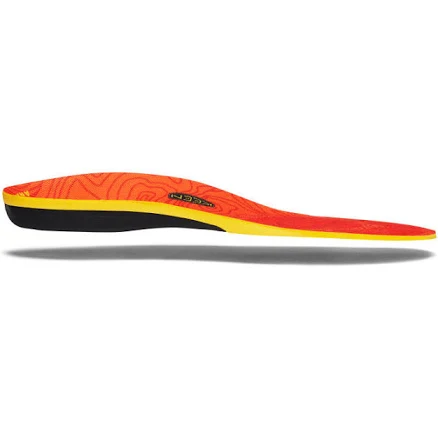
KEEN Men's K-30 High Outdoor Insole
Insoles lack PFAS transparency; KEEN's limited disclosure creates uncertainty.
KEEN doesn't publicly disclose PFAS use or avoidance in insoles. Standard foam cushioning carries unknown risk without brand commitment or third-party testing.
Still want this one anyway? Check the price on Amazon. We’d swap it.
Material
foam cushioning with textile/synthetic upper
Brand disclosure
Brand is silent on PFAS
Lab data
No public lab test
You may also be interested in
Top-graded picks in the categories readers replace first, every one scored on the same rubric.

- polypropylene filter housing, carbon/sediment cartridge
- We found no PFAS statement from the brand
- Bacterial growth in spent cartridges
3 hazards checked on this product, all on its full breakdown.

Aquasure
Premier Series 75 GPD Under Sink Reverse Osmosis Water Filtration System
- RO membrane, carbon filters, stainless steel housing
- We found no PFAS statement from the brand
- Bacterial and microbial growth in housing and filters
4 hazards checked on this product, all on its full breakdown.

Avocado
Vegan Mattress
- organic cotton, natural latex, coconut coir, recycled steel coils
- The brand calls it PFAS-free, which we have not verified
- Heavy metals
2 hazards checked on this product, all on its full breakdown.
What KEEN Men's K-30 High Outdoor Insole is made of, ingredients and materials
The K-30 is a foam-cushioning insole with synthetic textile or knit upper covering, typical construction for arch-support footwear inserts. Foam core (likely polyurethane or EVA) provides compression resistance and comfort. The textile upper may be polyester, nylon, or a blend, which can harbor dyes and finishing chemicals applied during manufacturing. No published data confirms the specific foam formulation or textile composition for this SKU.
What’s concerning
Category baseline
The starting point for this type of product, before anything specific to this product is counted.
No PFAS disclosure
No public statement from the brand about PFAS in this product.
Azo dyes in textile upper
Synthetic textile uppers on insoles are often dyed with reactive or acid azo dyes during manufacturing. Keen does not publish dye-restriction standards for this product. Risk of skin sensitization is low if insole is worn inside a shoe, but direct skin contact in users with damp feet may increase migration.
Formaldehyde / VOCs
Synthetic textiles frequently receive formaldehyde-releasing resins for wrinkle resistance and shape retention. No published test data for K-30 insoles confirms the absence of these finishes. Odor during first use may indicate off-gassing; ventilation and airing out before use can reduce acute exposure.
Source, ATSDR ↗Polyurethane foam degradation and isocyanate exposure
If the foam core is polyurethane, repeated moisture exposure and thermal stress can cause breakdown and release volatile organic compounds (VOCs) and trace unreacted isocyanates. This risk is low in a dry insole but increases if insoles are worn in very wet conditions without drying. Regular replacement mitigates cumulative exposure.
Bacterial and fungal colonization from moisture retention
Foam insoles can trap sweat and moisture, creating an environment for odor-causing bacteria and fungi if not dried regularly. This is a hygiene issue rather than a chemical hazard, but it is commonly reported by users of insole products. Ensure shoes are air-dried between uses.
What’s reassuring
Base material not linked to PFAS
The main material recorded for this product is not one associated with PFAS.
Antimony in polyester textile upper
If the upper contains polyester, antimony trioxide is a common polymerization catalyst. Skin contact with polyester insoles poses minimal antimony leaching risk. No published testing of Keen insoles for antimony has been reported.
How is this PFAS grade calculated?
The brand's record and disclosure
Keen has faced scrutiny for PFAS use in waterproof footwear coatings and has not published a comprehensive PFAS elimination timeline or ingredient disclosure for insoles specifically. The company does not advertise third-party testing for formaldehyde, azo dyes, or antimony in their insole products. Keen maintains general sustainability messaging but lacks granular transparency on chemical restrictions for this category.
How it compares in its category
Insoles occupy a lower-risk segment than full shoes because they contact skin directly but are not waterproofed or flame-treated. Competitors like Superfeet and Powerstep similarly lack routine chemical disclosure for their foam cores. Keen's positioning does not emphasize chemical purity in insoles as a selling point, placing it in the middle-of-market transparency tier.
If you buy it
Replace insoles every 6 to 12 months as foam compresses and loses supportive structure; worn foam loses cushioning and can harbor moisture and bacteria. Air-dry only; do not machine-wash or expose to direct heat above 140 F (60 C), which may degrade foam and adhesives. If odor develops or foam visibly crumbles, discontinue use. Check for skin irritation in the first 48 hours of wear; discontinue if persistent itching or rash occurs.
What is not known about PFAS in this product?
- Basis
- Model estimate, 62% confidence, not a lab result
- Lab test
- None on record for this exact product
- Brand statement
- Keen has made none
Formulations change between production runs, so check the current label. How we grade.
More synthetic athletic insoles & orthotics grades
How we score, every product runs through the same public 0-100 rubric based on materials, coatings, brand disclosure, lab findings, and recalls. See the full methodology → Spotted a mistake? Report an error.