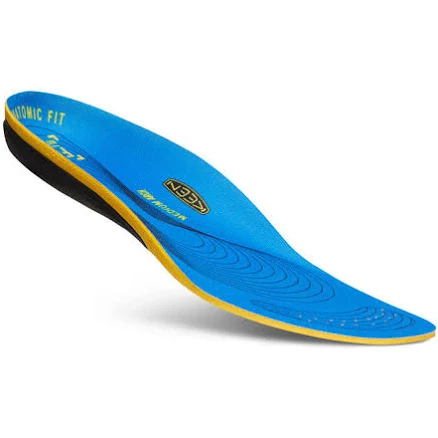
Keen · Synthetic Athletic Insoles & Orthotics
Keen Utility K-30 Arch Insole
Lower concern; basic insole with no known PFAS-prone features.
This utility insole appears to be a standard arch support without waterproofing or stain treatment. KEEN shares no public PFAS disclosure or claims.
Still want this one anyway? Check the price on Amazon. We’d swap it.
Material
Foam, fabric, possibly textile blend
Brand disclosure
Brand is silent on PFAS
Lab data
No public lab test
You may also be interested in
Top-graded picks in the categories readers replace first, every one scored on the same rubric.

- polypropylene filter housing, carbon/sediment cartridge
- We found no PFAS statement from the brand
- Bacterial growth in spent cartridges
3 hazards checked on this product, all on its full breakdown.

Aquasure
Premier Series 75 GPD Under Sink Reverse Osmosis Water Filtration System
- RO membrane, carbon filters, stainless steel housing
- We found no PFAS statement from the brand
- Bacterial and microbial growth in housing and filters
4 hazards checked on this product, all on its full breakdown.

Avocado
Vegan Mattress
- organic cotton, natural latex, coconut coir, recycled steel coils
- The brand calls it PFAS-free, which we have not verified
- Heavy metals
2 hazards checked on this product, all on its full breakdown.
What Keen Utility K-30 Arch Insole is made of, ingredients and materials
The Keen K-30 Arch Insole is constructed from foam (likely EVA or polyurethane-based) with a fabric or textile blend top layer. Foam insoles are stable materials that do not leach chemicals under normal wear conditions, unlike some coated textiles or rigid polymer bases. The fabric facing may contain dyes or finishing resins, but insoles experience minimal heat exposure and direct skin contact is limited by footwear. No data suggests this product uses flame retardants, heavy metal pigments, or formaldehyde-based finishes typical of higher-hazard textile applications.
What’s concerning
Category baseline
The starting point for this type of product, before anything specific to this product is counted.
No PFAS disclosure
No public statement from the brand about PFAS in this product.
Foam degradation and odor
EVA and polyurethane foam can break down under prolonged moisture, heat, or mechanical stress, releasing odorous volatile compounds. This is a durability issue rather than acute toxicity, but degraded foam may irritate sensitive skin.
Allergen contact from fabric or adhesives
Individuals with contact dermatitis or sensitivities to synthetic textiles or rubber-based adhesives may experience localized irritation, though this is not a systemic toxicity risk. Test by wearing for short periods initially.
What’s reassuring
Base material not linked to PFAS
The main material recorded for this product is not one associated with PFAS.
Dyes and textile finishing resins in fabric facing
Insole fabric is minimal and non-critical contact surface. No azo dyes, formaldehyde resins, or heavy metals have been reported in Keen insoles, and the small surface area limits exposure even if present.
Microplastic shedding from foam
No data indicates the K-30 insole sheds microplastics during normal wear. Foam insoles are not typically heated or agitated enough to fragment; skin contact is indirect.
How is this PFAS grade calculated?
The brand's record and disclosure
Keen has not published detailed chemical disclosures or certifications for individual insole products. The brand does not maintain a known public position on chemical restrictions or third-party testing for insoles. No recalls or reported safety complaints specific to the K-30 Arch Insole are on record. Keen's parent company focuses primarily on footwear and apparel; insole safety oversight follows industry norms rather than enhanced protocols.
How it compares in its category
Insoles are lower-risk than textiles that contact skin directly or are heated regularly. The K-30 sits in the standard mass-market orthotics category, comparable to OTC drugstore arch supports in material simplicity. Purpose-built insoles avoid many hazards present in fashion footwear (azo dyes, antimony in polyester) because their fabric layer is minimal and functional rather than decorative. No evidence places this product above typical safety expectations for replacement insoles.
If you buy it
Replace insoles every 6-12 months or when cushioning visibly compresses, as degraded foam loses support and may develop odor or microbial growth. Do not machine wash; wipe with a damp cloth and air dry completely to prevent foam breakdown. Insoles should not be exposed to direct heat (radiators, dishwashers, or direct sunlight) as foam can off-gas or degrade at high temperatures. Monitor for any skin irritation; if redness or itching develops, discontinue use and confirm the insole is not the source before reintroduction.
What is not known about PFAS in this product?
- Basis
- Model estimate, 72% confidence, not a lab result
- Lab test
- None on record for this exact product
- Brand statement
- Keen has made none
Formulations change between production runs, so check the current label. How we grade.
More synthetic athletic insoles & orthotics grades
How we score, every product runs through the same public 0-100 rubric based on materials, coatings, brand disclosure, lab findings, and recalls. See the full methodology → Spotted a mistake? Report an error.