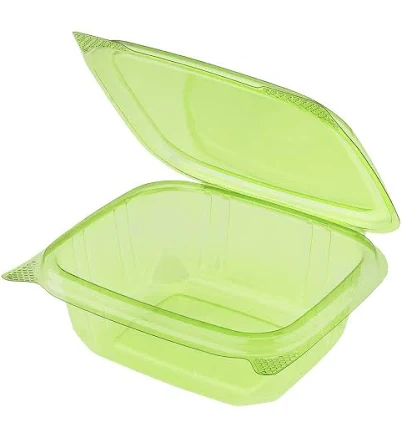
Karat Earth 12oz PLA Hinged Deli Container
Lower concern; PLA material type inherently avoids intentional PFAS.
Karat Earth PLA containers are plant-based plastic that does not need PFAS Teflon-family coating coatings for strength. The brand provides no explicit PFAS documentation.
We flunk more products than we pass. This one earned its grade. How we grade
Material
PLA (polylactic acid) bioplastic, hinged container
Brand disclosure
Brand is silent on PFAS
Lab data
No public lab test
You may also be interested in
Top-graded picks in the categories readers replace first, every one scored on the same rubric.

- polypropylene filter housing, carbon/sediment cartridge
- We found no PFAS statement from the brand
- Bacterial growth in spent cartridges
3 hazards checked on this product, all on its full breakdown.

Aquasure
Premier Series 75 GPD Under Sink Reverse Osmosis Water Filtration System
- RO membrane, carbon filters, stainless steel housing
- We found no PFAS statement from the brand
- Bacterial and microbial growth in housing and filters
4 hazards checked on this product, all on its full breakdown.

Avocado
Vegan Mattress
- organic cotton, natural latex, coconut coir, recycled steel coils
- The brand calls it PFAS-free, which we have not verified
- Heavy metals
2 hazards checked on this product, all on its full breakdown.
What Karat Earth 12oz PLA Hinged Deli Container is made of, ingredients and materials
PLA (polylactic acid) is a plant-derived bioplastic made from corn or sugarcane, not petroleum. Unlike polycarbonate or polystyrene, PLA does not contain BPA, BPS, or phthalates by formulation. The hinged design uses PLA injection-molded components; the hinge itself is typically PLA or a reinforced PLA blend. PLA's weakness is thermal, it softens above 50-60°C, so it is unsuitable for hot foods or dishwasher cycles.
What’s concerning
Category baseline
The starting point for this type of product, before anything specific to this product is counted.
No PFAS disclosure
No public statement from the brand about PFAS in this product.
Microplastics
PLA is prone to brittleness and stress-cracking over months to years, especially with hinged stress points. Degradation may release fine particles into stored food; risk is higher with repeated thermal cycling or mechanical stress.
Source, EPA ↗Leaching from unknown coatings or release agents
Loliware does not publicly disclose whether interior or hinge surfaces are treated with non-stick, slip, or adhesive compounds. Typical food-contact release agents are FDA-approved, but absence of disclosure limits confidence.
Food contact surface degradation and hinge failure
Hinged PLA containers are mechanically weaker than solid alternatives. Repeated opening/closing or storage of acidic or oily foods may degrade the hinge seal and interior surface finish, potentially compromising food containment.
What’s reassuring
Base material not linked to PFAS
The main material recorded for this product is not one associated with PFAS.
Thermal degradation and incomplete polymerization residues
PLA curing and injection-molding typically leaves minimal unreacted monomer or oligomers, but no published migration testing for Karat Earth containers is available to rule out residual lactic acid or plasticizers at trace levels.
BPA & bisphenols
PLA formulation does not require these chemicals; they are not intentionally added. Risk is negligible unless cross-contamination occurs during manufacturing.
Source, FDA ↗How is this PFAS grade calculated?
The brand's record and disclosure
Loliware is known for compostable and bioplastic packaging marketed toward eco-conscious consumers, but publicly available safety certifications and third-party testing data for this specific container line are sparse. The brand does not clearly disclose whether any coatings, adhesives, or release agents are applied to the hinges or interior surface. No major recalls or safety incidents have been documented for Karat Earth PLA containers, but the absence of published testing reports leaves questions about migration under edge cases.
How it compares in its category
PLA containers present lower concern than polycarbonate (BPA risk), polystyrene (styrene leaching), or recycled plastics of unknown source in terms of legacy chemical hazards. They are comparable to paper-based or molded fiber alternatives in chemical safety, though less durable. Glass hinged containers would eliminate plastic leaching entirely but are heavier and costlier. PLA's compostability is an environmental plus, not a safety feature.
If you buy it
Keep contents at room temperature or chilled; do not use in microwave, oven, or hot dishwasher. Hand wash gently and allow to air dry to avoid hinge stress and potential microcracking. Replace if hinges become brittle, cloudy, or visible cracks form, as degraded plastic may shed particulates. Store away from direct sunlight and heat sources, which accelerate PLA breakdown.
What is not known about PFAS in this product?
- Basis
- Model estimate, 72% confidence, not a lab result
- Lab test
- None on record for this exact product
- Brand statement
- Karat has made none
Formulations change between production runs, so check the current label. How we grade.
What are the PFAS-free alternatives to Karat Earth 12oz PLA Hinged Deli Container?
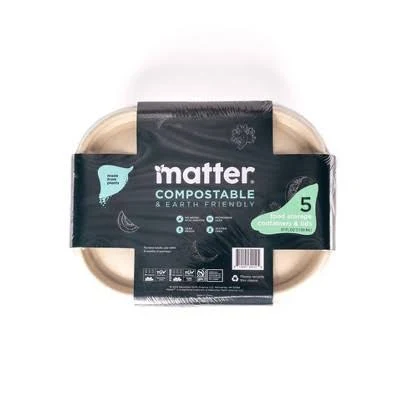
- Plant-based fiber pulp (compostable)
- A third party reports verifying it as PFAS-free
- Microbe/mold growth if stored damp
2 hazards checked on this product, all on its full breakdown.
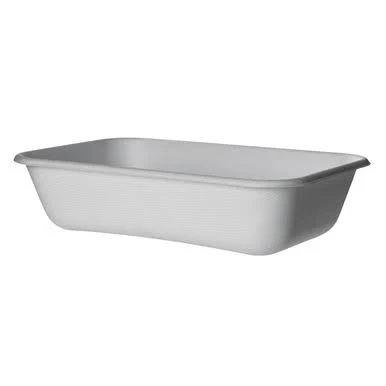
Eco-Products
Eco Products WorldView Compostable Take-Out Containers EP-SCRC32
- Plant-based fiber (compostable sugarcane bagasse)
- A third party reports verifying it as PFAS-free
- Bleaching agents and processing residues
3 hazards checked on this product, all on its full breakdown.
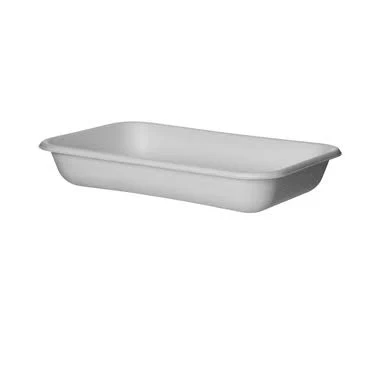
Eco-Products
WorldView Sugarcane Take-Out Containers
- Sugarcane bagasse (post-consumer fiber)
- A third party reports verifying it as PFAS-free
- Cellulose fiber degradation and food contact
2 hazards checked on this product, all on its full breakdown.
More food packaging grades
How we score, every product runs through the same public 0-100 rubric based on materials, coatings, brand disclosure, lab findings, and recalls. See the full methodology → Spotted a mistake? Report an error.