Compostable Sandwich Bags 50ct
Likely lower concern; compostable bags typically avoid PFAS, but verify packaging.
Matter's compostable sandwich bags appear to use plant-based polymers without intentional PFAS treatment. No brand disclosure on PFAS, and no third-party verification available in public sources.
We flunk more products than we pass. This one earned its grade. How we grade
Material
plant-based compostable polymer (likely PLA or PBAT)
Brand disclosure
Brand is silent on PFAS
Lab data
No public lab test
You may also be interested in
Top-graded picks in the categories readers replace first, every one scored on the same rubric.

- polypropylene filter housing, carbon/sediment cartridge
- We found no PFAS statement from the brand
- Bacterial growth in spent cartridges
3 hazards checked on this product, all on its full breakdown.

Aquasure
Premier Series 75 GPD Under Sink Reverse Osmosis Water Filtration System
- RO membrane, carbon filters, stainless steel housing
- We found no PFAS statement from the brand
- Bacterial and microbial growth in housing and filters
4 hazards checked on this product, all on its full breakdown.

Avocado
Vegan Mattress
- organic cotton, natural latex, coconut coir, recycled steel coils
- The brand calls it PFAS-free, which we have not verified
- Heavy metals
2 hazards checked on this product, all on its full breakdown.
What Compostable Sandwich Bags 50ct is made of, ingredients and materials
Matter's compostable sandwich bags are manufactured from plant-based polymers, most likely polylactic acid (PLA) or polybutylene adipate terephthalate (PBAT), or a blend. These materials are designed to break down in industrial composting facilities within 90-180 days under controlled heat and microbial conditions. Unlike conventional petroleum-based plastics, plant-based compostable polymers do not require persistent chemical additives like BPA, phthalates, or traditional flame retardants to achieve structural integrity, which reduces the primary migration pathways into food.
What’s concerning
Category baseline
The starting point for this type of product, before anything specific to this product is counted.
No PFAS disclosure
No public statement from the brand about PFAS in this product.
Microplastic shedding and degradation products
If bags are damaged, stored in high heat, or sent to landfill instead of composting, fragmentation into microplastics is possible. Industrial composting eliminates this risk; ambient or home disposal does not. Migration of oligomers or degradation byproducts into food during storage is not established on record but cannot be ruled out under extreme conditions (sustained heat, contact with acidic o
Additives and colorants (not further specified)
Matter does not publicly disclose processing aids, pigments, or slip agents used in manufacture. Compostable polymers may contain mineral fillers or colorants; heavy metal contamination (cadmium, lead) in pigments is not reported for this product class but disclosure would strengthen confidence.
Composting-site dependent safety (end-of-life)
Compostable bags misrouted to landfill or incineration create environmental persistence concerns rather than direct food-contact hazards. Bags must reach industrial composting for the safety and environmental promise to be realized; home or curbside disposal defeats the product's intended risk profile.
What’s reassuring
Base material not linked to PFAS
The main material recorded for this product is not one associated with PFAS.
BPA & bisphenols
Plant-based compostable polymers (PLA, PBAT) do not require bisphenol stabilizers or plasticizers. No reports of BPA or BPS in Matter compostable bags or the compostable polymer class.
Source, FDA ↗Phthalate plasticizers
Compostable polyesters are typically formulated without ortho-phthalates or di-isononyl cyclohexane-1,2-dicarboxylate (DINCH) plasticizers. No documented phthalate content in commercial compostable bag products.
How is this PFAS grade calculated?
The brand's record and disclosure
Matter does not publicly disclose detailed ingredient lists, certifications, or third-party testing results on its website or packaging documentation available in the public record. The brand has not issued statements addressing PFAS content or manufacturing practices. No product recalls, safety alerts, or regulatory actions against Matter compostable bags have been reported. Certification status (e.g., TUV Austria OK Compost, Seedling logo) should be verified on the packaging; this often signals compliance with European standard EN 13432, which restricts certain additives.
How it compares in its category
Compostable bags occupy a lower-hazard niche compared to conventional polyethylene or polypropylene sandwich bags, which are sometimes treated with slip agents or antimicrobials. Plant-based compostable options avoid the long-term leaching concerns of recycled plastic film and do not undergo the same harsh chemical processing as virgin polyethylene. However, compostable bags are functionally viable only if industrial composting is accessible; home composting or landfill disposal negates the product's safety and environmental advantage, and may instead create persistence concerns.
If you buy it
Store bags in a cool, dry place away from direct heat or sunlight, as PLA and PBAT can soften or warp at temperatures above 50-60 degrees Celsius. Do not use these bags in a conventional oven or microwave; they are intended for room-temperature or refrigerated food only. Before each use, inspect for visible damage or discoloration, which may indicate degradation of the polymer. Most importantly, confirm that your local waste facility or composting service accepts industrial compostable film; bags sent to curbside recycling or landfill will not decompose as intended and offer no sustainability or safety advantage.
What is not known about PFAS in this product?
- Basis
- Model estimate, 72% confidence, not a lab result
- Lab test
- None on record for this exact product
- Brand statement
- Matter has made none
Formulations change between production runs, so check the current label. How we grade.
What are the PFAS-free alternatives to Compostable Sandwich Bags 50ct?
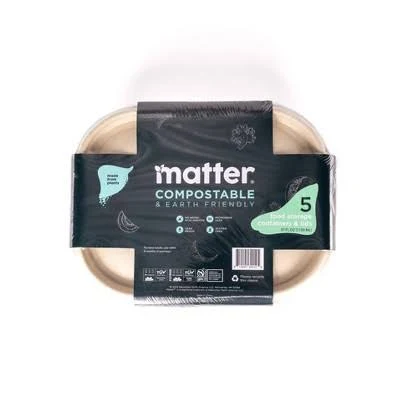
- Plant-based fiber pulp (compostable)
- A third party reports verifying it as PFAS-free
- Microbe/mold growth if stored damp
2 hazards checked on this product, all on its full breakdown.
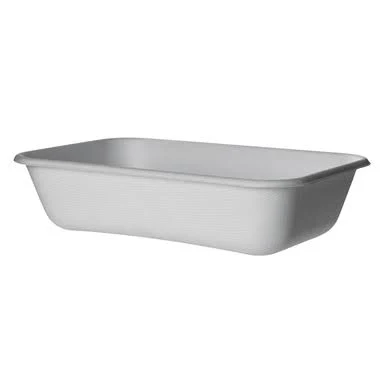
Eco-Products
Eco Products WorldView Compostable Take-Out Containers EP-SCRC32
- Plant-based fiber (compostable sugarcane bagasse)
- A third party reports verifying it as PFAS-free
- Bleaching agents and processing residues
3 hazards checked on this product, all on its full breakdown.
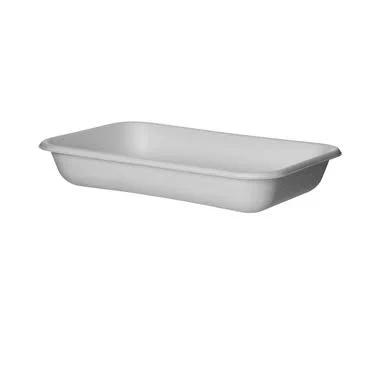
Eco-Products
WorldView Sugarcane Take-Out Containers
- Sugarcane bagasse (post-consumer fiber)
- A third party reports verifying it as PFAS-free
- Cellulose fiber degradation and food contact
2 hazards checked on this product, all on its full breakdown.
More food packaging grades
How we score, every product runs through the same public 0-100 rubric based on materials, coatings, brand disclosure, lab findings, and recalls. See the full methodology → Spotted a mistake? Report an error.