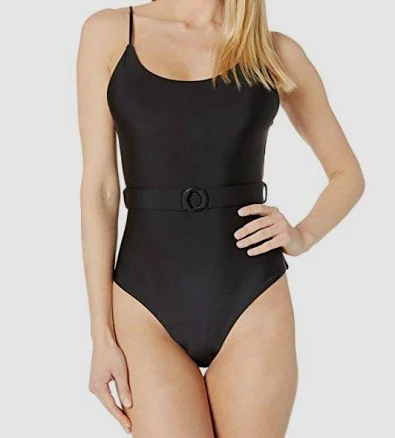
MIKOH Women's Mila One-Piece Swimsuit
Lower PFAS concern but no transparency; consider brands with explicit testing or certifications.
Mikoh Mila is a nylon-based one-piece with no disclosed water-repellent or stain-resistant treatment. The brand makes no public PFAS commitments or disclosures.
The better-graded swap
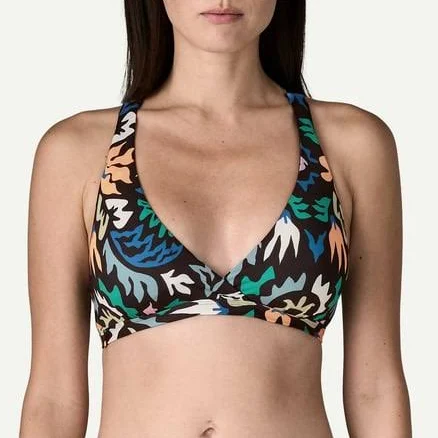
Patagonia
Patagonia Women's Bottom Turn Racerback Bikini Top
90/100 safety
Same rubric that flunked this product. The swap earned Excellent.
Still want this one anyway? Check the price on Amazon. We’d swap it.
Material
Nylon/polyamide blend swimwear fabric
Brand disclosure
Brand is silent on PFAS
Lab data
No public lab test
What MIKOH Women's Mila One-Piece Swimsuit is made of, ingredients and materials
The Mila one-piece is constructed from a nylon/polyamide blend, the industry standard for swimwear because of its stretch, durability, and resistance to chlorine and saltwater. Nylon itself is stable in normal use, but the dyes and finishing treatments applied during manufacturing are where chemical risks concentrate. The fabric likely includes synthetic dyes (often azo-based) and may have undergone resin or formaldehyde-based finishing to improve color fastness and elasticity.
What’s concerning
Category baseline
The starting point for this type of product, before anything specific to this product is counted.
No PFAS disclosure
No public statement from the brand about PFAS in this product.
Azo dyes and colorant toxicity
Synthetic dyes used in nylon swimwear may include azo dyes, which can release aromatic amines if dye bonds degrade or bleed. Standard industrial practice assumes dyes are fixed; however, excess dye residue from manufacturing can transfer to skin, especially in warm or chlorinated water. No specific testing for this product is on record.
Formaldehyde / VOCs
Nylon fabrics are often treated with formaldehyde-releasing resins to enhance elasticity and color retention. Exposure risk is highest at the time of manufacture and decreases after rinsing; residual levels in finished swimwear are typically low. Thorough rinsing before first wear significantly reduces any off-gassing risk.
Source, ATSDR ↗Microplastic shedding during use
Nylon fibers shed incrementally during normal wear, swimming, and washing. While this is a primary-source microplastic concern in aquatic environments, the amount released from a single swimsuit is modest compared to synthetic clothing overall. This is a category-wide issue, not specific to Mikoh or the Mila design.
Allergic reaction to dyes or elastane blend
Individuals with sensitive skin or documented fragrance/dye allergies may experience contact dermatitis. The Mila's exact elastane percentage and dye formulation are not disclosed, so pre-wear patch testing is advisable for anyone with a history of swimwear irritation.
What’s reassuring
Base material not linked to PFAS
The main material recorded for this product is not one associated with PFAS.
Heavy metals
No recalls or testing alerts for lead, cadmium, or other heavy metals in Mikoh swimwear have been documented. Nylon colorants are less commonly a source of heavy metal contamination compared to ceramic or poorly regulated elastane blends, but certification would confirm this.
Source, FDA ↗The full breakdown
The brand's record and disclosure
Mikoh does not publicly disclose chemical testing results, restricted substance lists, or third-party certifications (such as OEKO-TEX or Bluesign) for this product. The brand has no documented history of recalls or chemical controversies specific to this swimsuit line. Absence of transparency is typical for contemporary fashion swimwear brands and does not indicate a problem, but it means you cannot independently verify restricted substance compliance.
How it compares in its category
Most mainstream swimwear sits in the same chemical exposure tier as the Mila, nylon-based, dyed, minimally certified. Brands like Patagonia and prAna offer certified-low-chemical alternatives (OEKO-TEX Standard 100) at higher price points. The Mila is chemically comparable to drugstore and mid-market brands; it does not stand out as higher or lower risk within typical swimwear.
If you buy it
Rinse thoroughly in fresh water after each use (salt and chlorine degrade fibers and can concentrate residual dyes on skin). Wash separately in cool water with mild detergent before the first wear to remove loose dyes and manufacturing residue. Air-dry away from direct heat and sunlight; heat and UV accelerate nylon degradation. Replace when elastic loss becomes noticeable (typically 2-3 years of regular use) rather than continuing to wear a stretched, poorly-fitting suit.
What we don’t know
- Basis
- Model estimate, 62% confidence, not a lab result
- Lab test
- None on record for this exact product
- Brand statement
- Mikoh has made none
Formulations change between production runs, so check the current label. How we grade.
Better-graded alternatives in Swimwear
Patagonia
Women's Bottom Turn Racerback Bikini Top
- Nylon/polyester blend with elastane (standard swimwear)
- The brand calls it PFAS-free, which we have not verified
- Elastane (spandex) degradation under heat or chlorine
More swimwear grades
How we score, every product runs through the same public 0-100 rubric based on materials, coatings, brand disclosure, lab findings, and recalls. See the full methodology → Spotted a mistake? Report an error.