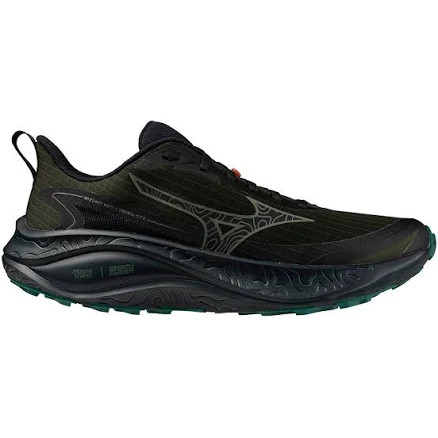
Mizuno · Running & Athletic Shoes
Men Running shoes Mizuno Neo Lumina Gtx
Gore-Tex waterproofing likely contains PFAS. No brand disclosure available.
Mizuno Neo Lumina GTX uses Gore-Tex for waterproofing, which traditionally relies on PFAS chemistry. Mizuno provides no public PFAS transparency or alternative waterproof claims.
Still want this one anyway? Check the price on Amazon. We’d swap it.
Material
Mesh/synthetic upper with Gore-Tex waterproof membrane
Brand disclosure
Brand is silent on PFAS
Lab data
No public lab test
You may also be interested in
Top-graded picks in the categories readers replace first, every one scored on the same rubric.

- polypropylene filter housing, carbon/sediment cartridge
- We found no PFAS statement from the brand
- Bacterial growth in spent cartridges
3 hazards checked on this product, all on its full breakdown.

Aquasure
Premier Series 75 GPD Under Sink Reverse Osmosis Water Filtration System
- RO membrane, carbon filters, stainless steel housing
- We found no PFAS statement from the brand
- Bacterial and microbial growth in housing and filters
4 hazards checked on this product, all on its full breakdown.

Avocado
Vegan Mattress
- organic cotton, natural latex, coconut coir, recycled steel coils
- The brand calls it PFAS-free, which we have not verified
- Heavy metals
2 hazards checked on this product, all on its full breakdown.
What Men Running shoes Mizuno Neo Lumina Gtx is made of, ingredients and materials
The Neo Lumina GTX uses a mesh synthetic upper (typically polyester or nylon) bonded to Gore-Tex, a Teflon-family coating membrane that repels water while allowing breathability. Gore-Tex's waterproofing mechanism inherently relies on PFAS "forever chemicals" (PFAS) to achieve its hydrophobic barrier, a known limitation of this technology. The synthetic mesh itself poses minimal chemical risk during normal wear, but repeated washing and degradation of the Gore-Tex layer over time may mobilize PFAS particles, particularly if the shoe is machine-washed frequently.
What’s concerning
Waterproof / stain-resistant treatment
Water-repellent coating treatments have historically used PFAS.
Category baseline
The starting point for this type of product, before anything specific to this product is counted.
No PFAS disclosure
No public statement from the brand about PFAS in this product.
PFAS
Gore-Tex waterproofing relies on fluorinated polymers to function. No alternative waterproof technology is embedded in this shoe; PFAS exposure occurs during wear, washing, and eventual disposal. Mizuno has disclosed no remediation plan.
Source, ATSDR ↗Antimony in polyester fiber
Polyester mesh may contain antimony trioxide as a polymerization catalyst. Levels are typically trace and not a concern during normal wear, but prolonged skin contact in hot, humid conditions (sweating feet) could theoretically increase dermal migration. No Mizuno-specific data available.
Microplastic shedding from synthetic upper
Polyester/nylon mesh sheds microfibers during washing and wear. Gore-Tex membrane itself may fragment under UV and mechanical stress over the shoe's lifespan. This is a category-wide issue, not brand-specific, but accelerated if machine-washed frequently.
What’s reassuring
Formaldehyde / VOCs
No recalls or reports of formaldehyde contamination specific to Mizuno mesh uppers. Standard synthetic footwear adhesives and dyes are regulated under REACH/Prop 65; no excess documented for this brand or product line.
Source, ATSDR ↗Azo dyes (colorfast/toxicity risk)
Mizuno uses standard industrial dyeing for polyester/nylon mesh. No specific batch recalls for prohibited azo dyes reported for Neo Lumina GTX. EU and Asian manufacturers typically comply with azo restrictions, though audit records are not public.
How is this PFAS grade calculated?
The brand's record and disclosure
Mizuno has not published detailed disclosures regarding PFAS content or phase-out commitments for its waterproof product lines. The brand maintains no publicly announced PFAS elimination timeline comparable to competitors such as Salomon or Altra. Mizuno does comply with standard regulatory limits (REACH, Prop 65) but silence on Gore-Tex sourcing and PFAS intentionality means no transparency advantage relative to industry practice.
How it compares in its category
Running shoes with Gore-Tex waterproofing are standard across premium brands; Mizuno's approach is typical, not differentiated. Non-waterproofed mesh alternatives (Nike, ASICS, Brooks standard lines) entirely avoid the PFAS issue but sacrifice wet-weather performance. If waterproofing is necessary, this product sits in the mainstream middle; no brand in the category has solved Gore-Tex replacement with a proven PFAS-free waterproof yet widely adopted at scale.
If you buy it
Hand-wash in cool water with mild soap to extend Gore-Tex layer longevity and minimize PFAS particle shedding; avoid machine washing and high heat drying. Replace the shoe when tread wear or Gore-Tex degradation (visible water beading loss) occurs, typically 300-500 miles. Store dry in a cool place away from heat to slow membrane degradation. If PFAS minimization is a priority, consider non-waterproofed mesh alternatives for training and reserve Gore-Tex shoes for occasional wet-weather runs only.
What is not known about PFAS in this product?
- Basis
- Model estimate, 45% confidence, not a lab result
- Lab test
- None on record for this exact product
- Brand statement
- Mizuno has made none
Formulations change between production runs, so check the current label. How we grade.
What are the PFAS-free alternatives to Men Running shoes Mizuno Neo Lumina Gtx?
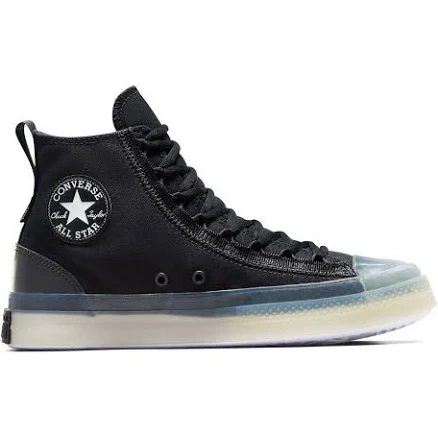
- Canvas upper, rubber sole
- We found no PFAS statement from the brand
- Azo dyes in canvas
2 hazards checked on this product, all on its full breakdown.
Find an alternative on Amazon
- Canvas, rubber sole
- We found no PFAS statement from the brand
- Azo dyes and synthetic dyes
4 hazards checked on this product, all on its full breakdown.
Find an alternative on Amazon
- Mesh upper, Fresh Foam midsole, rubber outsole
- We found no PFAS statement from the brand
- Azo dyes and color-based toxins
2 hazards checked on this product, all on its full breakdown.
Find an alternative on AmazonMore running & athletic shoes grades
How we score, every product runs through the same public 0-100 rubric based on materials, coatings, brand disclosure, lab findings, and recalls. See the full methodology → Spotted a mistake? Report an error.