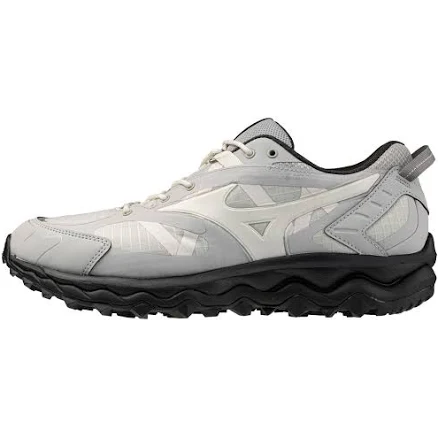
Mizuno · Running & Athletic Shoes
Wave Mujin TL GTX Sports Style Sneaker
GTX membrane raises PFAS concern; Mizuno discloses nothing.
Gore-Tex waterproof lining is conventionally treated with PFAS. Mizuno provides no PFAS disclosure or third-party verification for this model. Consider alternatives with verified PFAS-free waterproofing.
Still want this one anyway? Check the price on Amazon. We’d swap it.
Material
Textile upper with Gore-Tex GTX waterproof membrane
Brand disclosure
Brand is silent on PFAS
Lab data
No public lab test
You may also be interested in
Top-graded picks in the categories readers replace first, every one scored on the same rubric.

- polypropylene filter housing, carbon/sediment cartridge
- We found no PFAS statement from the brand
- Bacterial growth in spent cartridges
3 hazards checked on this product, all on its full breakdown.

Aquasure
Premier Series 75 GPD Under Sink Reverse Osmosis Water Filtration System
- RO membrane, carbon filters, stainless steel housing
- We found no PFAS statement from the brand
- Bacterial and microbial growth in housing and filters
4 hazards checked on this product, all on its full breakdown.

Avocado
Vegan Mattress
- organic cotton, natural latex, coconut coir, recycled steel coils
- The brand calls it PFAS-free, which we have not verified
- Heavy metals
2 hazards checked on this product, all on its full breakdown.
What Wave Mujin TL GTX Sports Style Sneaker is made of, ingredients and materials
This sneaker uses a textile upper paired with Gore-Tex GTX, a polyurethane-based waterproof membrane bonded to the fabric. Gore-Tex achieves water resistance through microscopic pore structure, but historically relied on PFOA/PFOS and related fluorochemicals to maintain durability and water repellency. The textile upper itself is likely polyester or nylon blend with cotton or other natural fibers. Mizuno does not disclose the specific fluorochemical formulation used in their GTX membrane sourcing.
What’s concerning
Waterproof / stain-resistant treatment
Water-repellent coating treatments have historically used PFAS.
Category baseline
The starting point for this type of product, before anything specific to this product is counted.
No PFAS disclosure
No public statement from the brand about PFAS in this product.
Antimony in polyester
If the upper contains polyester (common in Mizuno athletic shoes), antimony trioxide may be present as a catalyst from polyester synthesis. Levels in finished apparel are generally low and skin contact exposure is minimal, but the chemical is classified as a possible human carcinogen by IARC.
Microplastic shedding from membrane degradation
Gore-Tex membranes are prone to physical delamination and microfiber release over time, particularly with repeated flexing at seams and creases. Washing synthetic waterproof shoes releases microplastics into water; this is documented for the product category, though not quantified for this specific model.
Chemical leaching from GTX adhesives and coatings
The bond between textile and Gore-Tex membrane uses polyurethane-based adhesives and often silicone or additional polymer layers. Heat, moisture (sweat), and wear can cause slow migration of unreacted monomers and plasticizers into foot contact areas, though levels in shoes are typically lower than in food-contact plastics.
What’s reassuring
Formaldehyde / VOCs
No recall or published testing confirms formaldehyde finishes on Mizuno GTX uppers. Standard polyester/nylon athletic textiles may carry trace formaldehyde from manufacturing, but at levels typically below regulatory thresholds for finished apparel.
Source, ATSDR ↗Azo dyes (synthetic colorants)
No specific azo dye safety alert exists for this model. Mizuno uses industrial dyeing typical of the industry; restricted azo compounds are regulated under REACH and similar standards, but full chemical dye formulations are not publicly disclosed.
How is this PFAS grade calculated?
The brand's record and disclosure
Mizuno is a mid-tier sportswear manufacturer with no public commitment to PFAS phase-out or fluorochemical transparency. The company does not publish material sourcing documents, chemical inventories, or third-party testing results for individual shoe lines. Gore-Tex itself has made commitments to remove legacy PFOS/PFOA but continues using newer fluorinated compounds (GenX, ADONA, others) that remain largely unregulated and understudied. Mizuno's silence on which version of GTX they use leaves uncertainty about the actual fluorochemical burden in this shoe.
How it compares in its category
Most waterproof athletic sneakers at this price point use Gore-Tex or similar fluorinated membranes; PFAS presence is near-universal in the category. Non-fluorinated waterproof alternatives (wax-treated textiles, ceramic coatings, silicone polymers) exist but are less common in mass-market sports shoes and often sacrifice durability or breathability. Brands like Patagonia and Arc'teryx offer PFAS-free waterproof options at higher cost but are rare in mainstream athletic footwear. This shoe is typical for its category but offers no competitive advantage in chemical safety.
If you buy it
Wear indoors or in dry conditions when possible to reduce contact with skin and limit fluorochemical leaching from the membrane. Clean with cool water and mild soap only; avoid hot water, bleach, or aggressive scrubbing, which can degrade the GTX layer and increase microfiber/chemical shedding. Replace after visible wear to the membrane (white delamination, loss of water beading) as degradation may increase leachate release. Store dry in a cool place; never heat-dry or expose to direct heat, which accelerates fluorochemical migration into sweat and foot moisture.
What is not known about PFAS in this product?
- Basis
- Model estimate, 35% confidence, not a lab result
- Lab test
- None on record for this exact product
- Brand statement
- Mizuno has made none
Formulations change between production runs, so check the current label. How we grade.
What are the PFAS-free alternatives to Wave Mujin TL GTX Sports Style Sneaker?
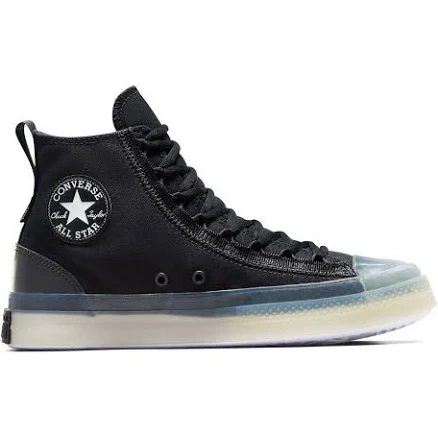
- Canvas upper, rubber sole
- We found no PFAS statement from the brand
- Azo dyes in canvas
2 hazards checked on this product, all on its full breakdown.
Find an alternative on Amazon
- Canvas, rubber sole
- We found no PFAS statement from the brand
- Azo dyes and synthetic dyes
4 hazards checked on this product, all on its full breakdown.
Find an alternative on Amazon
- Mesh upper, Fresh Foam midsole, rubber outsole
- We found no PFAS statement from the brand
- Azo dyes and color-based toxins
2 hazards checked on this product, all on its full breakdown.
Find an alternative on AmazonMore running & athletic shoes grades
How we score, every product runs through the same public 0-100 rubric based on materials, coatings, brand disclosure, lab findings, and recalls. See the full methodology → Spotted a mistake? Report an error.