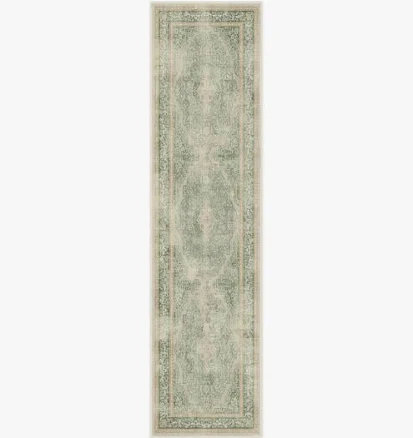
Ruggable Washable Rug, Assorted Sizes and Styles
Avoid until Ruggable discloses its coating formula or provides independent PFAS testing.
Ruggable Washable Rug features a water- and stain-resistant coating designed for machine-washability, but the brand keeps the coating formula proprietary. Without lab testing or transparent disclosure, water-repellent finishes raise elevated PFAS concern.
The better-graded swap
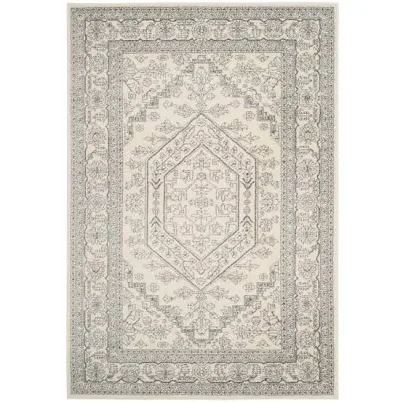
Safavieh
Safavieh Adirondack Rug
75/100 safety
Same rubric that flunked this product. The swap earned Excellent.
Still want this one anyway? Check the price on Amazon. We’d swap it.
Material
Polyester/cotton blend with proprietary stain-resistant and water-resistant coating
Brand disclosure
Brand is silent on PFAS
Lab data
No public lab test
You may also be interested in
Top-graded picks in the categories readers replace first, every one scored on the same rubric.

- polypropylene filter housing, carbon/sediment cartridge
- We found no PFAS statement from the brand
- Bacterial growth in spent cartridges
3 hazards checked on this product, all on its full breakdown.

Aquasure
Premier Series 75 GPD Under Sink Reverse Osmosis Water Filtration System
- RO membrane, carbon filters, stainless steel housing
- We found no PFAS statement from the brand
- Bacterial and microbial growth in housing and filters
4 hazards checked on this product, all on its full breakdown.

Avocado
Vegan Mattress
- organic cotton, natural latex, coconut coir, recycled steel coils
- The brand calls it PFAS-free, which we have not verified
- Heavy metals
2 hazards checked on this product, all on its full breakdown.
What Ruggable Washable Rug, Assorted Styles is made of, ingredients and materials
Ruggable rugs use a polyester-cotton blend base with a proprietary stain-resistant and water-resistant coating applied to the fabric. The coating chemistry is not publicly disclosed, but water-resistant finishes on textiles commonly rely on Teflon-type coating (Teflon-based) or fluorocarbon compounds, both potential PFAS carriers. Polyester itself is stable and non-leaching under normal use, but the coating is the primary chemical concern. The washable construction means repeated laundering, which can degrade coatings and potentially release particles or monomers.
What’s concerning
Category baseline
The starting point for this type of product, before anything specific to this product is counted.
No PFAS disclosure
No public statement from the brand about PFAS in this product.
Waterproof / stain-resistant treatment
Water-repellent coating treatments have historically used PFAS.
Formaldehyde / VOCs
Water-resistant finishes on textiles can incorporate formaldehyde-releasing resins; Ruggable does not disclose whether its coating contains these. Off-gassing is typically low at room temperature but may increase with humidity or washing.
Source, ATSDR ↗Heavy metals
The polyester-cotton blend and printed patterns rely on synthetic dyes; if azo dyes or heavy-metal pigments are used, they are typically bound into the fiber and pose minimal risk during normal use unless the rug sheds excessively or is in contact with skin for extended periods.
Source, FDA ↗Coating degradation and microparticle shedding
Repeated washing will degrade the proprietary coating over time. Shedding of coating fragments or particulates may occur, especially after many wash cycles. In homes with small children or pets that mouth the rug, this poses an ingestion risk.
VOC off-gassing from new rug
New synthetic rugs often release volatile organic compounds from dyes, sizing, and coatings during the first days to weeks of use. Ventilation and airing the rug outdoors before use can reduce inhalation exposure.
Unreacted monomers or oligomers in water-resistant coating
Fluorocarbon-based or Teflon-type coating-based coatings may contain residual unreacted chemical species that leach into wash water or transfer to skin with contact. The unknown formulation prevents specific hazard quantification.
How is this PFAS grade calculated?
The brand's record and disclosure
Ruggable does not publicly disclose its coating formulation or provide independent third-party testing for PFAS or other chemical contaminants. The brand markets washability as a key feature but remains silent on the chemistry enabling that performance. No major product recalls have been documented for this line. The lack of transparency around a proprietary coating applied to a product marketed for homes with children and pets is a red flag for responsible sourcing.
How it compares in its category
Most conventional area rugs use glues, dyes, and finishes that may off-gas VOCs or contain heavy metals in pigments; Ruggable's washable design avoids some of these by eliminating backing adhesives. However, the undisclosed water-resistant coating makes this product harder to assess than natural-fiber rugs (wool, jute) or untreated synthetic alternatives. Brands like Armadillo & Co and some GOTS-certified cotton rugs offer transparency and lower chemical risk, though they lack Ruggable's stain-resistance claims.
If you buy it
Wash your rug in cool water on gentle cycles; hot water or high-temperature laundering may accelerate coating breakdown and particle shedding. Avoid dry cleaning or chemical spot treatments, which can interact with the coating unpredictably. Replace the rug if the surface becomes visibly peeling, flaking, or develops an off-odor after washing, as this suggests coating degradation. Air dry flat; do not tumble dry. Ventilate during and after washing to reduce inhalation of any aerosolized coating particles.
What is not known about PFAS in this product?
- Basis
- Model estimate, 45% confidence, not a lab result
- Lab test
- None on record for this exact product
- Brand statement
- Ruggable has made none
Formulations change between production runs, so check the current label. How we grade.
What are the PFAS-free alternatives to Ruggable Washable Rug, Assorted Sizes and Styles?
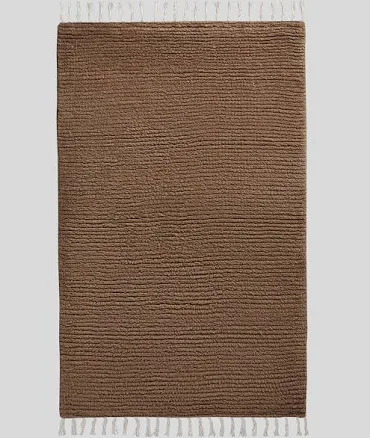
- wool fiber, no reported topical treatment
- We found no PFAS statement from the brand
- Heavy metals
3 hazards checked on this product, all on its full breakdown.
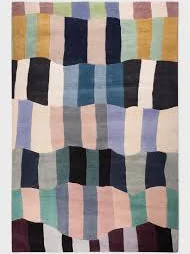
- wool and natural fibers (handmade rug)
- We found no PFAS statement from the brand
- Pesticide residue
4 hazards checked on this product, all on its full breakdown.
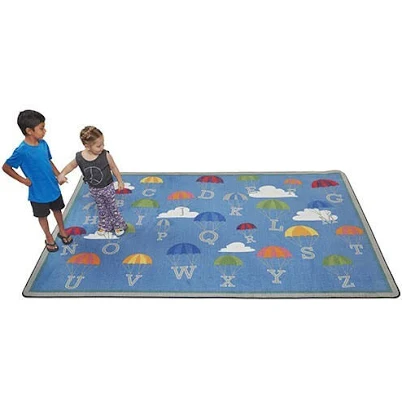
- polyester blend fabric, parachute construction
- We found no PFAS statement from the brand
- Flame retardants
4 hazards checked on this product, all on its full breakdown.
More area rugs grades
How we score, every product runs through the same public 0-100 rubric based on materials, coatings, brand disclosure, lab findings, and recalls. See the full methodology → Spotted a mistake? Report an error.