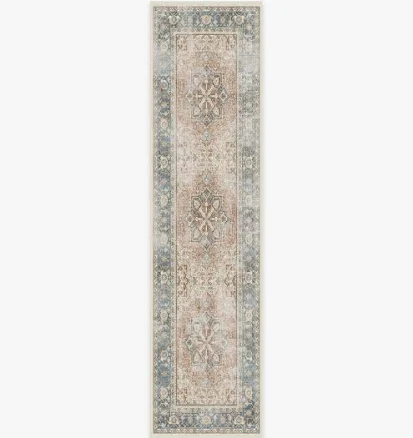
Ruggable Kamran Washable Vintage Persian Area Rug
Avoid until Ruggable reveals its treatment formula or shares third-party testing results.
Kamran Washable rug is marketed with water- and stain-resistant properties, hallmarks of water-repellent coating finishes that historically used PFAS. Ruggable does not disclose its treatment chemistry or provide PFAS testing.
The better-graded swap
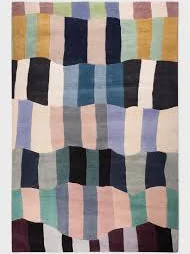
Parachute
Paul Smith Parachute Sky Handmade Rug
75/100 safety
Same rubric that flunked this product. The swap earned Excellent.
Still want this one anyway? Check the price on Amazon. We’d swap it.
Material
Polyester/synthetic blend with water/stain-resistant treatment (unspecified)
Brand disclosure
Brand is silent on PFAS
Lab data
No public lab test
You may also be interested in
Top-graded picks in the categories readers replace first, every one scored on the same rubric.

- polypropylene filter housing, carbon/sediment cartridge
- We found no PFAS statement from the brand
- Bacterial growth in spent cartridges
3 hazards checked on this product, all on its full breakdown.

Aquasure
Premier Series 75 GPD Under Sink Reverse Osmosis Water Filtration System
- RO membrane, carbon filters, stainless steel housing
- We found no PFAS statement from the brand
- Bacterial and microbial growth in housing and filters
4 hazards checked on this product, all on its full breakdown.

Avocado
Vegan Mattress
- organic cotton, natural latex, coconut coir, recycled steel coils
- The brand calls it PFAS-free, which we have not verified
- Heavy metals
2 hazards checked on this product, all on its full breakdown.
What Ruggable Kamran Washable Persian Area Rug is made of, ingredients and materials
This rug is polyester or a polyester-blend synthetic fiber, likely with a durable backing and an applied stain/water-resistant coating. Polyester itself is thermally stable and does not off-gas significantly at room temperature, but the water-resistant treatment applied to achieve Ruggable's signature washability is the concern. Ruggable has not publicly disclosed whether this treatment relies on PFAS compounds (Teflon-family coating) or alternative chemistries. The coating formulation directly determines whether the rug leaches fluorinated compounds into your indoor air or onto skin during regular use.
What’s concerning
Category baseline
The starting point for this type of product, before anything specific to this product is counted.
No PFAS disclosure
No public statement from the brand about PFAS in this product.
Waterproof / stain-resistant treatment
Water-repellent coating treatments have historically used PFAS.
PFAS
Water and stain-resistant treatments on synthetic rugs commonly use PFAS (Teflon-family coating like C6 or C8 compounds). Ruggable's undisclosed treatment formula and poor PFAS transparency rating strongly suggest possible PFAS use; no third-party testing result has been published to rule it out.
Source, ATSDR ↗Volatile organic compound (VOC) off-gassing
New polyester rugs and applied coatings can off-gas VOCs (solvents, plasticizers) for days to weeks after production. The specific coating formulation determines extent; no independent air-quality testing of Ruggable rugs is on record. Off-gassing is typically mild and decreases over time but may trigger symptoms in sensitive individuals.
Microplastic shedding from polyester fibers
Polyester rugs shed microfibers during use, especially with vacuuming, foot traffic, and washing. This is not unique to Ruggable but inherent to synthetic rugs. Microplastic inhalation and ingestion are areas of ongoing research; risk is generally considered low for household exposures but not zero.
Coating degradation and leachate over time
Water-resistant coatings degrade with repeated washing, age, and UV exposure. As the coating breaks down, chemical residues or particles may leach into wash water or be inhaled. Ruggable's durability claims do not address coating lifespan or what happens to the treatment chemistry after degradation begins.
What’s reassuring
Formaldehyde / VOCs
No formaldehyde contamination has been reported for Ruggable rugs. Polyester dyes and finishes typically do not require formaldehyde, but independent testing has not been published for this product. Risk is lower than for natural fiber rugs with resin treatments.
Source, ATSDR ↗How is this PFAS grade calculated?
The brand's record and disclosure
Ruggable is known for marketing washable rugs as a practical, low-maintenance solution but has maintained silence on the chemical composition of its water-resistant treatments. The brand does not list third-party testing results (Oeko-Tex, GOTS, or chemical disclosure platforms) on product pages or in readily available marketing materials. No major recalls or health incidents have been publicly documented for Ruggable rugs, but the lack of transparency on treatment chemistry is a red flag in an industry where PFAS use in textile coatings is common. Consumers have no easy way to confirm whether this specific rug meets non-PFAS standards.
How it compares in its category
Washable synthetic rugs occupy a niche market; most competitors (e.g., Safavieh, nuLOOM budget lines) also use undisclosed chemical coatings for water resistance. Ruggable's premium pricing positions it as a design-forward alternative to traditional rugs, but it does not command higher disclosure standards than cheaper options. Natural fiber rugs (wool, cotton, jute) avoid synthetic coatings entirely but sacrifice washability and durability in high-traffic homes. The trade-off remains, washability typically requires a chemical treatment, and the identity of that treatment is the key safety variable.
If you buy it
Air out the rug in a well-ventilated space or outdoors for 24-48 hours after purchase to allow any volatile off-gassing to dissipate. Machine wash in cold water per Ruggable's instructions; heat is not recommended and could theoretically increase any coating degradation or emissions. Store in a cool, dry place; prolonged heat or UV exposure may degrade the water-resistant layer over time. Request material safety data or treatment disclosure directly from Ruggable customer service before purchase if you have respiratory sensitivities or chemical concerns; silence on this question should factor into your decision.
What is not known about PFAS in this product?
- Basis
- Model estimate, 35% confidence, not a lab result
- Lab test
- None on record for this exact product
- Brand statement
- Ruggable has made none
Formulations change between production runs, so check the current label. How we grade.
What are the PFAS-free alternatives to Ruggable Kamran Washable Vintage Persian Area Rug?
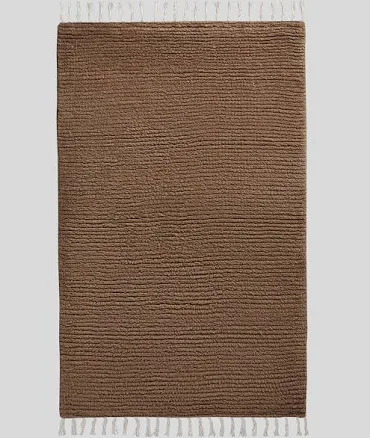
- wool fiber, no reported topical treatment
- We found no PFAS statement from the brand
- Heavy metals
3 hazards checked on this product, all on its full breakdown.
- wool and natural fibers (handmade rug)
- We found no PFAS statement from the brand
- Pesticide residue
4 hazards checked on this product, all on its full breakdown.
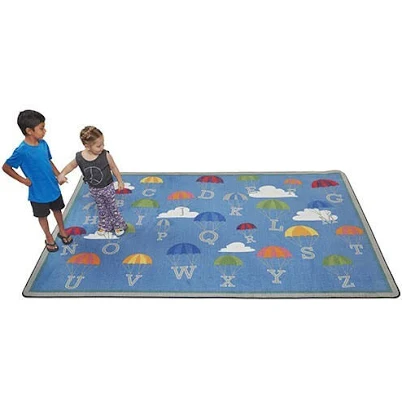
- polyester blend fabric, parachute construction
- We found no PFAS statement from the brand
- Flame retardants
4 hazards checked on this product, all on its full breakdown.
More area rugs grades
How we score, every product runs through the same public 0-100 rubric based on materials, coatings, brand disclosure, lab findings, and recalls. See the full methodology → Spotted a mistake? Report an error.