New Balance · Running & Athletic Shoes
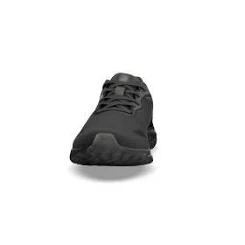
New Balance Men's Fresh Foam Arishi v4 GTX Running
GTX membrane likely contains PFAS; New Balance discloses nothing.
The GTX waterproof lining is a Teflon-family coating widely used in outdoor footwear and typically contains PFAS. New Balance has not publicly disclosed PFAS content or committed to PFAS-free alternatives.
Still want this one anyway? Check the price on Amazon. We’d swap it.
Material
Mesh/textile upper with GTX waterproof membrane
Brand disclosure
Brand is silent on PFAS
Lab data
No public lab test
You may also be interested in
Top-graded picks in the categories readers replace first, every one scored on the same rubric.

- polypropylene filter housing, carbon/sediment cartridge
- We found no PFAS statement from the brand
- Bacterial growth in spent cartridges
3 hazards checked on this product, all on its full breakdown.

Aquasure
Premier Series 75 GPD Under Sink Reverse Osmosis Water Filtration System
- RO membrane, carbon filters, stainless steel housing
- We found no PFAS statement from the brand
- Bacterial and microbial growth in housing and filters
4 hazards checked on this product, all on its full breakdown.

Avocado
Vegan Mattress
- organic cotton, natural latex, coconut coir, recycled steel coils
- The brand calls it PFAS-free, which we have not verified
- Heavy metals
2 hazards checked on this product, all on its full breakdown.
What New Balance Men's Fresh v4 GTX Running is made of, ingredients and materials
The Fresh Foam Arishi v4 GTX combines a mesh textile upper with Gore-Tex (GTX) waterproof membrane laminated to the interior. Gore-Tex membranes are engineered Teflon-family coating designed to repel water while allowing vapor transmission, which inherently requires fluorinated chemistry. The mesh upper is standard polyester or nylon; the concern centers on the GTX layer's PFAS content and potential migration to skin over time, especially during sweating or in warm conditions.
What’s concerning
Waterproof / stain-resistant treatment
Water-repellent coating treatments have historically used PFAS.
Category baseline
The starting point for this type of product, before anything specific to this product is counted.
No PFAS disclosure
No public statement from the brand about PFAS in this product.
PFAS
Gore-Tex is a Teflon-family coating matrix; PFAS compounds are chemically inherent to the technology. New Balance discloses nothing, so specific PFAS types and concentrations are unknown. Skin absorption risk increases with moisture, sweat, and temperature.
Source, ATSDR ↗Formaldehyde / VOCs
Polyester and nylon mesh uppers may be treated with formaldehyde-based dyes or wrinkle-resistant finishes to meet performance standards. New Balance does not specify finish chemistry. Off-gassing is typically minimal in finished shoes but can occur with heat exposure or in poorly ventilated spaces.
Source, ATSDR ↗Azo dyes in colored mesh
The mesh upper is dyed; if azo dyes are used, they can break down under sweat or UV exposure into aromatic amines, some of which are carcinogenic. Most major brands have phased out restricted azo dyes, but New Balance provides no certification or testing data.
Antimony in polyester
Polyester components may contain antimony trioxide as a catalyst; it is not typically a skin risk in finished textiles but can leach slightly into sweat under high-temperature conditions. No disclosure from New Balance on use or levels.
Adhesive and glue off-gassing
Shoe assembly uses polyurethane or rubber-based adhesives that may emit volatile organic compounds, particularly when new or stored in warm conditions. Odor typically fades within days; risk is minimal but real in enclosed spaces.
How is this PFAS grade calculated?
The brand's record and disclosure
New Balance has not publicly disclosed chemical composition, PFAS content, or commitment to PFAS-free alternatives for any product line. The brand has not adopted third-party certifications (Bluesign, GOTS, or equivalent) that would require transparency on hazardous substance screening. This silence is standard across the running shoe industry but contrasts with competitors like Salomon and some Adidas lines, which have begun offering waterproof options stated to contain no PFAS or transparent sourcing commitments.
How it compares in its category
Most waterproof running shoes with traditional Gore-Tex membranes carry the same PFAS risk profile as this model. Non-GTX alternatives using polyurethane or other non-fluorinated membranes (e.g.certain Salomon or Hoka models) are attributed to reduce PFAS exposure but may sacrifice breathability or durability. New Balance's silence on alternatives puts this shoe in the middle of an opaque market; buying it implies accepting PFAS risk without knowing its magnitude.
If you buy it
Wear socks to minimize skin contact with the GTX membrane. Wash the shoe in cool water rather than exposing it to heat, which could increase PFAS off-gassing or migration. Replace the shoes when the sole shows wear (typically 300-500 miles) rather than waiting for upper degradation. Store in a cool, dry place; avoid prolonged direct sunlight, which can degrade the membrane and any coatings over years of use.
What is not known about PFAS in this product?
- Basis
- Model estimate, 45% confidence, not a lab result
- Lab test
- None on record for this exact product
- Brand statement
- New Balance has made none
Formulations change between production runs, so check the current label. How we grade.
What are the PFAS-free alternatives to New Balance Men's Fresh Foam Arishi v4 GTX Running?
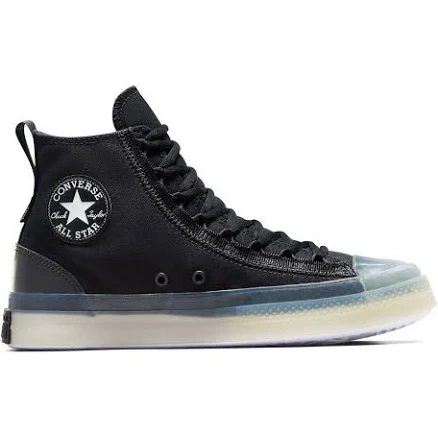
- Canvas upper, rubber sole
- We found no PFAS statement from the brand
- Azo dyes in canvas
2 hazards checked on this product, all on its full breakdown.
Find an alternative on Amazon
- Canvas, rubber sole
- We found no PFAS statement from the brand
- Azo dyes and synthetic dyes
4 hazards checked on this product, all on its full breakdown.
Find an alternative on Amazon
- Mesh upper, Fresh Foam midsole, rubber outsole
- We found no PFAS statement from the brand
- Azo dyes and color-based toxins
2 hazards checked on this product, all on its full breakdown.
Find an alternative on AmazonMore running & athletic shoes grades
How we score, every product runs through the same public 0-100 rubric based on materials, coatings, brand disclosure, lab findings, and recalls. See the full methodology → Spotted a mistake? Report an error.