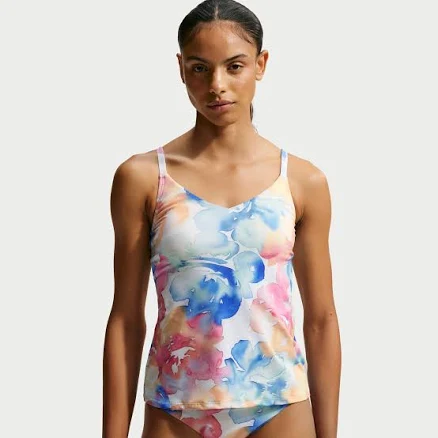
Nike Women's V-Neck Tankini Top
Lower PFAS concern for basic tankini. No waterproofing or special coatings typical.
Nike's basic tankini top is standard nylon and polyester swimwear with no disclosed water-repellent or stain-resistant finishes that would require PFAS. Nike doesn't publicly claim PFAS-free status.
The better-graded swap
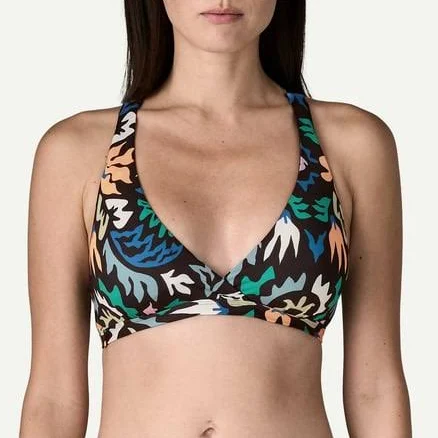
Patagonia
Patagonia Women's Bottom Turn Racerback Bikini Top
90/100 safety
Same rubric that flunked this product. The swap earned Excellent.
Still want this one anyway? Check the price on Amazon. We’d swap it.
Material
Nylon/polyester blend (typical tankini construction)
Lab data
No public lab test
You may also be interested in
Top-graded picks in the categories readers replace first, every one scored on the same rubric.

- polypropylene filter housing, carbon/sediment cartridge
- We found no PFAS statement from the brand
- Bacterial growth in spent cartridges
3 hazards checked on this product, all on its full breakdown.

Aquasure
Premier Series 75 GPD Under Sink Reverse Osmosis Water Filtration System
- RO membrane, carbon filters, stainless steel housing
- We found no PFAS statement from the brand
- Bacterial and microbial growth in housing and filters
4 hazards checked on this product, all on its full breakdown.

Avocado
Vegan Mattress
- organic cotton, natural latex, coconut coir, recycled steel coils
- The brand calls it PFAS-free, which we have not verified
- Heavy metals
2 hazards checked on this product, all on its full breakdown.
What Nike Women's V-Neck Tankini Top is made of, ingredients and materials
Nike's tankini uses a nylon-polyester blend typical of performance swimwear. Nylon and polyester are synthetic polymers chosen for stretch, durability, and quick-dry properties in water exposure. Unlike coated or laminated swimwear with waterproofing membranes, this basic blend construction carries minimal chemical treatment, which reduces PFAS and other coating-related risks. The fabric is dyed during manufacturing, which is where azo dye and heavy metal contamination risks concentrate.
What’s concerning
Category baseline
The starting point for this type of product, before anything specific to this product is counted.
No PFAS disclosure
No public statement from the brand about PFAS in this product.
Heavy metals
Nylon and polyester tankinis are typically solution-dyed or piece-dyed; no specific test reports are available for this Nike model. Azo dyes and trace metals (lead, cadmium) in textile dyes are a known class hazard in apparel, though regulatory limits in the US and EU restrict the worst offenders. Direct skin contact during wear presents low acute risk, but long-term cumulative exposure from frequ
Source, FDA ↗Formaldehyde / VOCs
Tankini tops may undergo formaldehyde-based resin finishing to improve wrinkle resistance, elasticity retention, or color fastness. Nike does not disclose finishing chemistry for this item. Formaldehyde off-gassing is highest when new; rinsing before first wear reduces exposure. No recalls or complaints specific to this product have been reported.
Source, ATSDR ↗Microplastic shedding during washing and wear
Nylon and polyester fabrics shed microfibers during every wash cycle and abrasion from body movement and pool friction. A tankini is a mid-use item (frequent laundering) compared to occasional resort wear, increasing cumulative microfiber release. This is an environmental and ingestion concern rather than acute toxicity; no mitigation beyond gentle washing and air-drying exists.
Antimony in polyester
Polyester is commonly synthesized using antimony trioxide as a catalyst; residual antimony may remain in the finished fiber at trace levels. Skin contact exposure is considered low risk in most literature, but long-term dermal contact and potential leaching in warm or chlorinated water is not extensively studied for swimwear specifically.
Elastic degradation and component materials (spandex blends)
Spandex or elastane used in the waistband and neckline can degrade under UV, chlorine, and repeated stretching, losing elasticity within 1-2 years of regular use. Degraded elastic may release degradation byproducts, though specific chemical composition and leaching profiles for Nike spandex blends are not publicly disclosed. This is a fit and durability issue rather than an acute safety hazard.
What’s reassuring
Base material not linked to PFAS
The main material recorded for this product is not one associated with PFAS.
How is this PFAS grade calculated?
The brand's record and disclosure
Nike has not published specific safety certifications or chemical disclosure statements for this tankini model. The brand maintains a general sustainability messaging but does not routinely detail textile testing for formaldehyde, azo dyes, or heavy metals in apparel marketing. No product-specific recalls or safety warnings have been documented for this item. Nike's supply chain practices are subject to periodic scrutiny but not uniquely flagged for swimwear hazards.
How it compares in its category
This tankini is positioned as basic performance swimwear without waterproofing or advanced coatings, placing it in the lower-risk segment for PFAS exposure compared to technical wetsuits or fully water-resistant swim jackets. Standard nylon/polyester blends are industry-norm for affordable swimwear; premium brands often use similar compositions with modest quality control variation. Competitors like Speedo and Lands' End tankinis share comparable material profiles and disclosure gaps.
If you buy it
Rinse thoroughly after saltwater or chlorinated pool use to remove residual chemicals and salt that accelerate fabric degradation. Wash in cool water with mild detergent; avoid bleach and high heat drying, which can break down elastic and dyes. Air-dry flat or on a hanger to preserve fit. Replace the item if elastic loses tension, seams separate, or colors fade unevenly, as worn materials may shed microfibers more readily during wear and washing.
What is not known about PFAS in this product?
- Basis
- Model estimate, 72% confidence, not a lab result
- Lab test
- None on record for this exact product
- Brand statement
- Nike has made a specific claim
Formulations change between production runs, so check the current label. How we grade.
What are the PFAS-free alternatives to Nike Women's V-Neck Tankini Top?
- Nylon/polyester blend with elastane (standard swimwear)
- The brand calls it PFAS-free, which we have not verified
- Elastane (spandex) degradation under heat or chlorine
More swimwear grades
How we score, every product runs through the same public 0-100 rubric based on materials, coatings, brand disclosure, lab findings, and recalls. See the full methodology → Spotted a mistake? Report an error.