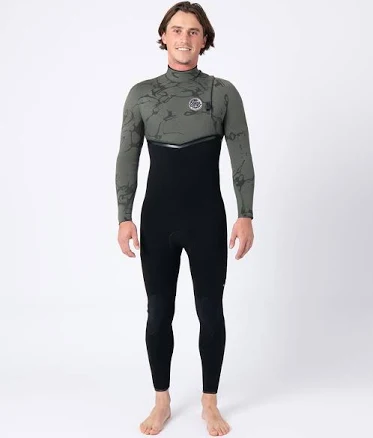
Rip Curl E-Bomb 4/3 Zip Free Wetsuit
Skip until Rip Curl clarifies waterproofing chemistry; wetsuits commonly use PFAS-based water-repellent coating.
Rip Curl's E-Bomb wetsuit uses neoprene with an undisclosed waterproofing treatment. Wetsuits in this category typically use water-repellent coating coatings that historically rely on PFAS chemistry.
The better-graded swap
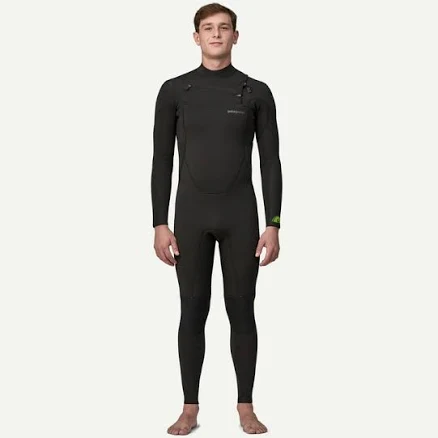
Patagonia
Patagonia Men's R2 Yulex Regulator Front-Zip Full Wetsuit
90/100 safety
Same rubric that flunked this product. The swap earned Excellent.
Still want this one anyway? Check the price on Amazon. We’d swap it.
Material
neoprene with waterproof/water-repellent coating (unspecified)
Brand disclosure
Brand is silent on PFAS
Lab data
No public lab test
You may also be interested in
Top-graded picks in the categories readers replace first, every one scored on the same rubric.

- polypropylene filter housing, carbon/sediment cartridge
- We found no PFAS statement from the brand
- Bacterial growth in spent cartridges
3 hazards checked on this product, all on its full breakdown.

Aquasure
Premier Series 75 GPD Under Sink Reverse Osmosis Water Filtration System
- RO membrane, carbon filters, stainless steel housing
- We found no PFAS statement from the brand
- Bacterial and microbial growth in housing and filters
4 hazards checked on this product, all on its full breakdown.

Avocado
Vegan Mattress
- organic cotton, natural latex, coconut coir, recycled steel coils
- The brand calls it PFAS-free, which we have not verified
- Heavy metals
2 hazards checked on this product, all on its full breakdown.
What Rip Curl E-Bomb 4/3 Zip Free Wetsuit is made of, ingredients and materials
The E-Bomb 4/3 is constructed from neoprene (closed-cell synthetic rubber), a standard wetsuit material that provides thermal insulation and flexibility in cold water. Rip Curl applies a waterproof/water-repellent coating (water-repellent coating) coating to the exterior, but the company does not publicly disclose the chemistry of this treatment. Many neoprene wetsuits in this category use PFAS-based fluorinated water-repellent coating systems, though some brands have begun transitioning to non-fluorinated alternatives. Without transparency, the specific risk profile of this product's water-resistance treatment cannot be determined.
What’s concerning
Category baseline
The starting point for this type of product, before anything specific to this product is counted.
No PFAS disclosure
No public statement from the brand about PFAS in this product.
Waterproof / stain-resistant treatment
Water-repellent coating treatments have historically used PFAS.
PFAS
Rip Curl does not disclose coating chemistry. Neoprene wetsuits in this category commonly use PFAS-based water-repellent coating treatments to maintain water repellency. Skin contact during extended wear in cold water may increase dermal exposure risk compared to casual use.
Source, ATSDR ↗Neoprene degradation and leaching
Neoprene itself is generally stable, but over time (especially with UV exposure or heat) the polymer and any additives can degrade. Direct skin contact with aged or damaged neoprene may release oligomers or residual processing chemicals; risk is low under normal use but increases with product age.
Colorant or dye leaching
The E-Bomb comes in multiple colors, typically achieved with textile dyes applied to neoprene or outer fabric layers. Poor dye fixation can release color into salt water and onto skin, especially during the first few washes. Risk is primarily cosmetic and irritation-related rather than toxicological.
What’s reassuring
Formaldehyde / VOCs
No public reports of formaldehyde contamination in Rip Curl neoprene wetsuits. However, some neoprene products use formaldehyde-based adhesives in seaming or lamination; Rip Curl has not provided certifications ruling this out.
Source, ATSDR ↗Zinc or metal-based UV stabilizers
Neoprene formulations sometimes include zinc or other metal-based UV absorbers to prevent degradation. Rip Curl does not disclose stabilizer chemistry. Skin contact over prolonged wear is unlikely to cause acute harm, but cumulative metal exposure has not been studied in this context.
How is this PFAS grade calculated?
The brand's record and disclosure
Rip Curl has not published clear statements on PFAS use, phase-out timelines, or third-party testing of wetsuits. The brand does not currently hold certifications from organizations such as Bluesign or the Cradle to Cradle Institute, which typically require restricted chemical disclosures. No major recalls or contamination incidents specific to Rip Curl wetsuits have been publicly documented, but the lack of voluntary transparency on waterproofing chemistry is a red flag compared to competitors who proactively disclose non-PFAS alternatives.
How it compares in its category
Most mainstream neoprene wetsuits at this price and performance tier (4/3mm thickness, zip design) carry similar PFAS-coating uncertainty unless the maker explicitly certifies otherwise. Brands like Picture Organic, Patagonia, and some retailers (Finisterre, Surfdome house brands) have begun labeling PFAS-free wetsuits, setting a new standard. Rip Curl's silence places it in the middle of the market; not uniquely problematic, but behind category leaders in chemical disclosure.
If you buy it
Rinse the wetsuit in fresh water after each salt-water use to minimize residual chemical contact with skin. Store it flat or hung in a cool, dry place away from direct sunlight, as UV exposure degrades neoprene and any coating over time. Do not expose it to heat sources (dryers, radiators, car interiors) as this can accelerate degradation and potential leaching. Replace every 5-7 years or when the material becomes brittle, discolored, or develops tears; newer wetsuits with disclosed non-PFAS coatings are worth the upgrade.
What is not known about PFAS in this product?
- Basis
- Model estimate, 35% confidence, not a lab result
- Lab test
- None on record for this exact product
- Brand statement
- Rip Curl has made none
Formulations change between production runs, so check the current label. How we grade.
What are the PFAS-free alternatives to Rip Curl E-Bomb 4/3 Zip Free Wetsuit?
- Yulex (synthetic rubber), neoprene-free base
- The brand calls it PFAS-free, which we have not verified
- Formaldehyde / VOCs
2 hazards checked on this product, all on its full breakdown.
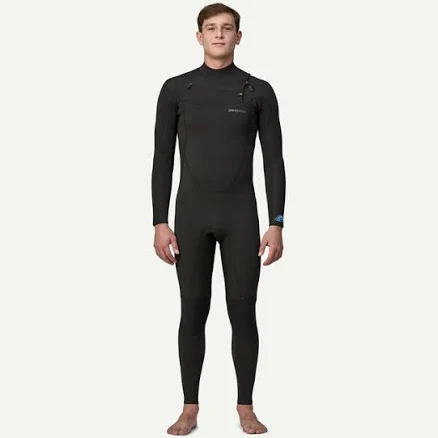
- Yulex (synthetic rubber, PTMEG-based), neoprene-free
- The brand calls it PFAS-free, which we have not verified
- Synthetic rubber degradation and material failure
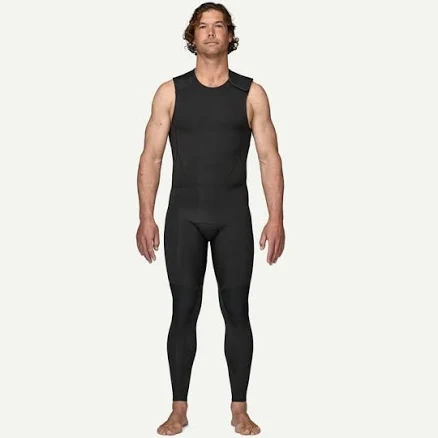
- Yulex (synthetic rubber), neoprene-free alternative
- The brand calls it PFAS-free, which we have not verified
- Formaldehyde / VOCs
4 hazards checked on this product, all on its full breakdown.
More wetsuits grades
How we score, every product runs through the same public 0-100 rubric based on materials, coatings, brand disclosure, lab findings, and recalls. See the full methodology → Spotted a mistake? Report an error.