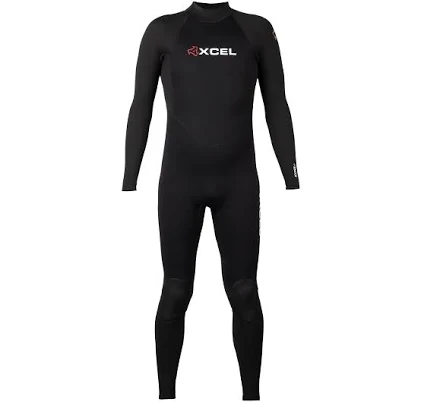
Xcel Wetsuits Men's IconX Full Wetsuit
Skip until Xcel discloses water-repellent coating chemistry or commits to PFAS-free treatments.
Xcel wetsuits use water-repellent coating coatings typical of the industry, but the brand does not disclose whether their IconX line uses traditional PFAS-based water-repellent coating or alternatives.
The better-graded swap
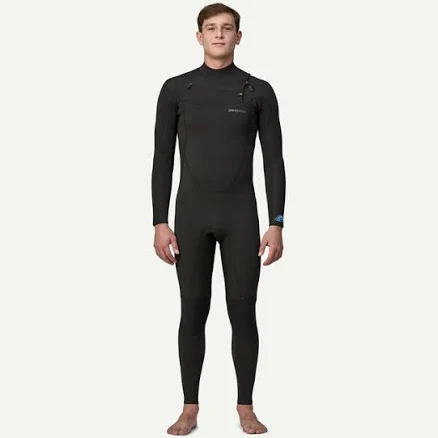
Patagonia
Patagonia Men's Yulex Regulator Lite Front-Zip Full Wetsuit
90/100 safety
Same rubric that flunked this product. The swap earned Excellent.
Still want this one anyway? Check the price on Amazon. We’d swap it.
Material
Neoprene/nylon/polyester blend with unspecified waterproof treatment
Brand disclosure
Brand is silent on PFAS
Lab data
No public lab test
You may also be interested in
Top-graded picks in the categories readers replace first, every one scored on the same rubric.

- polypropylene filter housing, carbon/sediment cartridge
- We found no PFAS statement from the brand
- Bacterial growth in spent cartridges
3 hazards checked on this product, all on its full breakdown.

Aquasure
Premier Series 75 GPD Under Sink Reverse Osmosis Water Filtration System
- RO membrane, carbon filters, stainless steel housing
- We found no PFAS statement from the brand
- Bacterial and microbial growth in housing and filters
4 hazards checked on this product, all on its full breakdown.

Avocado
Vegan Mattress
- organic cotton, natural latex, coconut coir, recycled steel coils
- The brand calls it PFAS-free, which we have not verified
- Heavy metals
2 hazards checked on this product, all on its full breakdown.
What Xcel Wetsuits Men's IconX Full Wetsuit is made of, ingredients and materials
The Xcel IconX uses a neoprene core (closed-cell foam rubber) laminated with nylon and polyester facing layers. Neoprene itself is stable and non-toxic, but the critical unknown is the waterproof/water-repellent coating (water-repellent coating) finish applied to the outer fabric. Most wetsuits in this price range use legacy fluorinated water-repellent coating treatments, which typically contain PFAS compounds that resist water and staining. Without Xcel's explicit chemistry disclosure, this finish is the primary chemical concern.
What’s concerning
Category baseline
The starting point for this type of product, before anything specific to this product is counted.
No PFAS disclosure
No public statement from the brand about PFAS in this product.
Waterproof / stain-resistant treatment
Water-repellent coating treatments have historically used PFAS.
Fluorinated water-repellent coating (water-repellent coating) treatment
Standard neoprene wetsuit finishing uses PFAS-based treatments for water and stain resistance. Xcel has not disclosed its specific water-repellent coating chemistry, making PFAS presence probable but unconfirmed. Dermal absorption during wear is low, but microfiber shedding and eventual disposal represent exposure pathways.
Neoprene degradation and off-gassing
Neoprene is chemically inert when new, but oxidative breakdown over time or under UV/heat stress can release volatile compounds. Risk is minor during normal use but increases with storage in warm environments or direct sunlight. Extent varies by manufacturing quality and age of the garment.
Microplastic shedding from synthetic fibers
Nylon and polyester outer layers shed microfibers during wear and washing, contributing to aquatic microplastic pollution. This is inherent to all synthetic wetsuits. Shedding volume is difficult to quantify for this specific product but is generally higher with friction-prone areas and lower-quality finishes.
What’s reassuring
Synthetic dye migration in polyester/nylon facing
No specific quality issues reported for Xcel wetsuits. Polyester and nylon facing layers are typically dyed with modern disperse or acid dyes. Risk of allergen or toxin leaching is low, but individuals with severe dye sensitivities should rinse new suits extensively before first use.
Adhesive or lamination residues
Neoprene is laminated to nylon and polyester using industrial adhesives, typically neoprene-based contact cement. Off-gassing is minimal in well-cured suits. No recalls or adverse reactions are on record for Xcel products, suggesting adequate quality control in the lamination process.
How is this PFAS grade calculated?
The brand's record and disclosure
Xcel is a major Hawaii-based wetsuit manufacturer but has not published public commitments to PFAS-free materials or transparent water-repellent coating chemistry disclosure. No major recalls or chemical controversies are on record for this specific model. The brand's silence on fluorinated-treatment avoidance is notable compared to competitors like Fourth Element or Patagonia, which explicitly market PFAS-free alternatives. Xcel's lack of proactive communication suggests reliance on conventional (likely PFAS-containing) treatments.
How it compares in its category
The IconX sits in the mid-to-premium segment of neoprene suits. Most wetsuits at this level use similar neoprene/nylon/polyester blends with undisclosed water-repellent coating finishes. Competitors vary widely, some boutique brands now offer PFAS-free limestone-based neoprene with non-fluorinated finishes, while mainstream brands like O'Neill, Rip Curl, and Xcel continue standard fluorinated treatments. This product's opacity on chemistry is typical for conventional mass-market wetsuits but lags industry transparency standards emerging among eco-conscious makers.
If you buy it
Rinse thoroughly in fresh water after each salt-water use to minimize absorption of any residual finish chemicals. Store in a cool, dry place away from direct heat or sunlight, which can degrade neoprene and synthetic coatings over time. Hand-wash gently with mild soap; avoid hot water and machine drying, which accelerate breakdown of the laminated layers. Plan for replacement every 3-5 years depending on use frequency, as neoprene naturally deteriorates and loses thermal efficiency.
What is not known about PFAS in this product?
- Basis
- Model estimate, 42% confidence, not a lab result
- Lab test
- None on record for this exact product
- Brand statement
- Xcel has made none
Formulations change between production runs, so check the current label. How we grade.
What are the PFAS-free alternatives to Xcel Wetsuits Men's IconX Full Wetsuit?
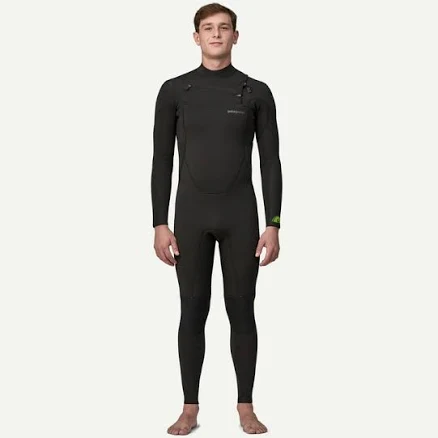
- Yulex (synthetic rubber), neoprene-free base
- The brand calls it PFAS-free, which we have not verified
- Formaldehyde / VOCs
2 hazards checked on this product, all on its full breakdown.
- Yulex (synthetic rubber, PTMEG-based), neoprene-free
- The brand calls it PFAS-free, which we have not verified
- Synthetic rubber degradation and material failure
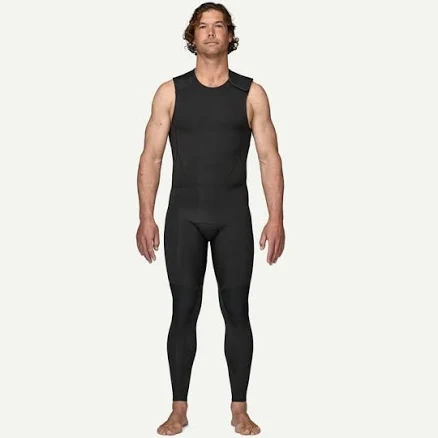
- Yulex (synthetic rubber), neoprene-free alternative
- The brand calls it PFAS-free, which we have not verified
- Formaldehyde / VOCs
4 hazards checked on this product, all on its full breakdown.
More wetsuits grades
How we score, every product runs through the same public 0-100 rubric based on materials, coatings, brand disclosure, lab findings, and recalls. See the full methodology → Spotted a mistake? Report an error.