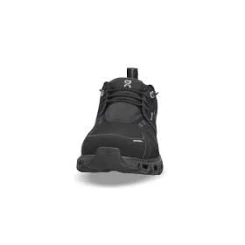
On Running · Running & Athletic Shoes
On Men's Cloud 6 Waterproof
Waterproof treatment likely used; PFAS status undisclosed by brand.
On Cloud 6 Waterproof uses water-repellent coating for water resistance, but On Running does not publicly disclose PFAS content or treatment specifics. No third-party PFAS testing data available.
Still want this one anyway? Check the price on Amazon. We’d swap it.
Material
Textile with waterproof coating
Lab data
No public lab test
You may also be interested in
Top-graded picks in the categories readers replace first, every one scored on the same rubric.

- polypropylene filter housing, carbon/sediment cartridge
- We found no PFAS statement from the brand
- Bacterial growth in spent cartridges
3 hazards checked on this product, all on its full breakdown.

Aquasure
Premier Series 75 GPD Under Sink Reverse Osmosis Water Filtration System
- RO membrane, carbon filters, stainless steel housing
- We found no PFAS statement from the brand
- Bacterial and microbial growth in housing and filters
4 hazards checked on this product, all on its full breakdown.

Avocado
Vegan Mattress
- organic cotton, natural latex, coconut coir, recycled steel coils
- The brand calls it PFAS-free, which we have not verified
- Heavy metals
2 hazards checked on this product, all on its full breakdown.
What On Men's Cloud 6 Waterproof is made of, ingredients and materials
On Cloud 6 Waterproof uses a textile upper (likely synthetic knit or woven polyester blend) with a waterproof coating applied to the exterior. Waterproofing in athletic footwear is typically achieved via water-repellent coating (water-repellent coating) treatments, historically PFAS-based fluorocarbons, though some brands have shifted to non-fluorinated alternatives. The coating sits on the surface rather than being integrated into fiber, meaning degradation over time is normal and expected. This particular shoe's waterproof treatment chemistry is not publicly disclosed by On Running, which limits transparency on whether legacy PFAS compounds or newer alternatives were used.
What’s concerning
Waterproof / stain-resistant treatment
Water-repellent coating treatments have historically used PFAS.
Category baseline
The starting point for this type of product, before anything specific to this product is counted.
No PFAS disclosure
No public statement from the brand about PFAS in this product.
Waterproof coating degradation and leaching
On Running does not disclose the water-repellent coating treatment type; if fluorocarbon-based, breakdown products may leach slowly into sweat and skin contact, particularly under physical activity and moisture. Regular laundering can accelerate this process.
Formaldehyde / VOCs
Synthetic textiles often undergo formaldehyde-based resin treatments for wrinkle resistance and sizing. On Running does not specify whether their textile suppliers meet formaldehyde emission limits (GOTS, OEKO-TEX, or equivalent). Off-gassing typically decreases after first wash.
Source, ATSDR ↗Azo dyes in synthetic fabrics
Polyester and nylon uppers may use azo dyes, some of which are restricted in EU regulations but not all jurisdictions. On Running does not provide dye chemistry transparency for this model. Risk is primarily occupational or during manufacturing; consumer skin contact risk is low if dye is fixed.
Antimony in polyester
Antimony trioxide is a common polyester catalyst; residual levels in On Cloud 6 uppers are not disclosed. Migration to skin under warm, moist conditions (sweating) is theoretically possible but typically low for catalytic residues. No recalls or complaints specific to On footwear antimony content are on record.
VOC off-gassing from synthetic materials and coatings
New athletic shoes routinely emit volatile organic compounds for days to weeks after purchase. This is not unique to On Running but affects this model; ventilation during first wear and storage reduces accumulation. No specific VOC profile data published by the brand.
How is this PFAS grade calculated?
The brand's record and disclosure
On Running has not published specific material safety disclosures or PFAS elimination commitments matching competitors like Salomon or ASICS, which have made public pledges on chemical phase-outs. The brand markets performance-first product lines with minimal transparency on chemical inputs. No major recalls or formal safety controversies specific to On footwear chemical content are on record, but the silence on waterproof treatment composition represents a meaningful disclosure gap. This stands in contrast to brands adopting wax-based, silicone, or other documented non-PFAS water-repellent coating alternatives.
How it compares in its category
Athletic waterproof shoes occupy a spectrum from legacy PFAS-treated to newer chemically transparent options. On Cloud 6 sits in the middle ground, a premium performance shoe with no stated chemical alternative commitment, unlike some brands now marketing PFAS-free certifications. Many competitors in the trail/outdoor running category (Salomon, Merrell) now disclose water-repellent coating chemistry or use PFAS-free certifications; On's silence makes direct comparison difficult. The shoe's core textile hazards (formaldehyde, azo dyes, antimony in polyester) align with industry norms and are not flagged as unusual for this price tier.
If you buy it
Wash regularly in cool water (under 30°C) with mild detergent to slow coating degradation and reduce any leachable accumulation. Avoid high heat (dryers, direct sun for extended periods) as synthetic textiles and coatings can off-gas VOCs when heated. Expect the waterproof coating to degrade within 12-24 months of regular use; reapplication with commercial water-repellent coating sprays (which often carry their own chemical profile) is common practice. Store in a dry, well-ventilated area, not in sealed bags, to minimize off-gassing accumulation in confined spaces.
What is not known about PFAS in this product?
- Basis
- Model estimate, 45% confidence, not a lab result
- Lab test
- None on record for this exact product
- Brand statement
- On Running has made a specific claim
Formulations change between production runs, so check the current label. How we grade.
What are the PFAS-free alternatives to On Men's Cloud 6 Waterproof?
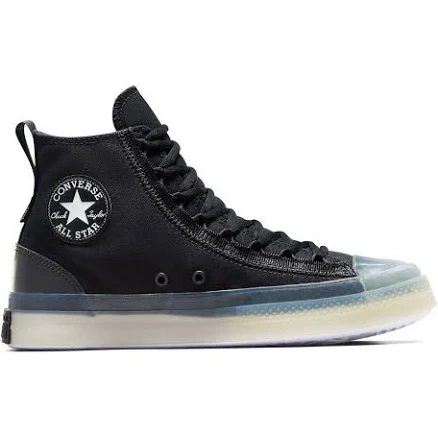
- Canvas upper, rubber sole
- We found no PFAS statement from the brand
- Azo dyes in canvas
2 hazards checked on this product, all on its full breakdown.
Find an alternative on Amazon
- Canvas, rubber sole
- We found no PFAS statement from the brand
- Azo dyes and synthetic dyes
4 hazards checked on this product, all on its full breakdown.
Find an alternative on Amazon
- Mesh upper, Fresh Foam midsole, rubber outsole
- We found no PFAS statement from the brand
- Azo dyes and color-based toxins
2 hazards checked on this product, all on its full breakdown.
Find an alternative on AmazonMore running & athletic shoes grades
How we score, every product runs through the same public 0-100 rubric based on materials, coatings, brand disclosure, lab findings, and recalls. See the full methodology → Spotted a mistake? Report an error.