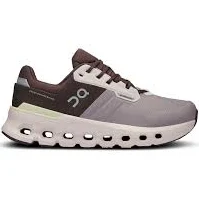
On Running · Running & Athletic Shoes
Women's Waterproof Cloudrunner 2
Waterproof running shoe, waterproofing often uses PFAS. No disclosure available.
On Running does not publicly disclose PFAS use or avoidance in this shoe. Waterproof apparel typically uses water-repellent coating treatments that may contain PFAS; confirmation requires direct contact with brand.
Still want this one anyway? Check the price on Amazon. We’d swap it.
Material
textile with waterproof water-repellent coating
Lab data
No public lab test
You may also be interested in
Top-graded picks in the categories readers replace first, every one scored on the same rubric.

- polypropylene filter housing, carbon/sediment cartridge
- We found no PFAS statement from the brand
- Bacterial growth in spent cartridges
3 hazards checked on this product, all on its full breakdown.

Aquasure
Premier Series 75 GPD Under Sink Reverse Osmosis Water Filtration System
- RO membrane, carbon filters, stainless steel housing
- We found no PFAS statement from the brand
- Bacterial and microbial growth in housing and filters
4 hazards checked on this product, all on its full breakdown.

Avocado
Vegan Mattress
- organic cotton, natural latex, coconut coir, recycled steel coils
- The brand calls it PFAS-free, which we have not verified
- Heavy metals
2 hazards checked on this product, all on its full breakdown.
What Women's Waterproof Cloudrunner 2 is made of, ingredients and materials
The Cloudrunner 2 combines knit textile uppers with a waterproof water-repellent coating (water-repellent coating) coating typical of performance running shoes. The coating creates water resistance but often relies on PFAS chemistry (fluorocarbons); On Running has not disclosed the specific treatment used. The shoe also contains synthetic polymer midsole and outsole materials, plus standard textile dyes and adhesives. While the textile itself is not inherently hazardous, the coating chemistry and durability are the primary safety concern.
What’s concerning
Waterproof / stain-resistant treatment
Water-repellent coating treatments have historically used PFAS.
Category baseline
The starting point for this type of product, before anything specific to this product is counted.
No PFAS disclosure
No public statement from the brand about PFAS in this product.
Antimony in polyester components
If the shoe contains polyester fiber (common in modern knit uppers), it may include antimony catalyst residue from polymerization. Typical exposure via wearing is negligible; risk is only relevant if fibers are inhaled or ingested. No data on antimony levels in On Running footwear is publicly available.
Degradation of water-repellent coating releasing microparticles or additives
As the waterproof coating wears, it may shed fine particles into the environment or release residual fluorine compounds through skin contact or washing. Extent of shedding and toxicity depend on the specific PFAS backbone and binder chemistry, which On Running has not disclosed. This is a plausible exposure pathway in high-use or machine-washed scenarios.
What’s reassuring
Formaldehyde / VOCs
No recalls or test reports of formaldehyde-release issues in On Running shoes are on record. Standard textile dyes and finishes may contain trace formaldehyde, but levels in finished athletic footwear are typically below concern thresholds if the product meets EU or US safety standards.
Source, ATSDR ↗Heavy metals
On Running does not disclose dye chemistry. No specific contamination reports exist for this model. The knit upper is likely dyed with modern reactive dyes, which are generally lower-risk than legacy azo colorants, but confirmation requires testing or manufacturer certification.
Source, FDA ↗Flame retardants
Running shoes are not typically treated with flame retardant chemicals; this hazard is relevant to sleepwear, furniture, and upholstery, not footwear. No concern for this product.
Source, EPA ↗How is this PFAS grade calculated?
The brand's record and disclosure
On Running has not publicly disclosed PFAS use or alternatives in their waterproof footwear, despite industry pressure toward transparency on fluorinated water repellents. The brand has not published a PFAS phase-out commitment or third-party certifications (such as Bluesign or OEKO-TEX) that would rule out legacy PFAS. This silence is typical of mid-market performance brands but contrasts with competitors like Salomon and Altra, which have begun labeling or eliminating PFAS in some lines. No major recalls or contamination incidents are on record for this model.
How it compares in its category
Waterproof running shoes routinely use PFAS-based water-repellent coating coatings; the Cloudrunner 2 is not unusual in this respect. Non-PFAS waterproof alternatives exist (wax, silicone, or fluorine-free polymer coatings by brands like Inov-8 or Altra) but remain less common and may sacrifice durability or water performance. Most mainstream running shoe brands (Nike, Asics, Brooks, New Balance) have not publicly committed to PFAS-free waterproofing, making this shoe representative of standard practice rather than a laggard. The lack of disclosure is the primary differentiator, not the likely presence of PFAS.
If you buy it
Wash the shoe in cool water with mild detergent; avoid machine drying or heat sources, which can degrade the water-repellent coating and potentially increase leaching. Reapply water-repellent coating yearly with a commercial spray or wash-in treatment (check whether the product is PFAS-free if PFAS avoidance is your priority). Replace the shoe when midsole cushioning visibly compresses or outsole traction diminishes, typically after 300-500 miles. Store in a cool, dry place to extend coating life; do not soak or expose to harsh solvents.
What is not known about PFAS in this product?
- Basis
- Model estimate, 45% confidence, not a lab result
- Lab test
- None on record for this exact product
- Brand statement
- On Running has made a specific claim
Formulations change between production runs, so check the current label. How we grade.
What are the PFAS-free alternatives to Women's Waterproof Cloudrunner 2?
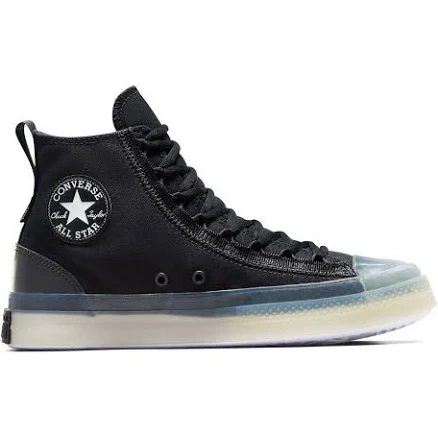
- Canvas upper, rubber sole
- We found no PFAS statement from the brand
- Azo dyes in canvas
2 hazards checked on this product, all on its full breakdown.
Find an alternative on Amazon
- Canvas, rubber sole
- We found no PFAS statement from the brand
- Azo dyes and synthetic dyes
4 hazards checked on this product, all on its full breakdown.
Find an alternative on Amazon
- Mesh upper, Fresh Foam midsole, rubber outsole
- We found no PFAS statement from the brand
- Azo dyes and color-based toxins
2 hazards checked on this product, all on its full breakdown.
Find an alternative on AmazonMore running & athletic shoes grades
How we score, every product runs through the same public 0-100 rubric based on materials, coatings, brand disclosure, lab findings, and recalls. See the full methodology → Spotted a mistake? Report an error.