· Synthetic Athletic Insoles & Orthotics
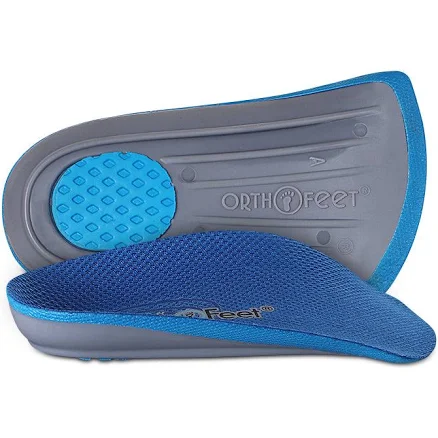
Men's 3/4 Insoles
No PFAS claim or evidence. Insole materials typically pose lower concern.
Won't disclose PFAS presence or absence. Insole foams and gels are not known to require PFAS treatments, suggesting lower risk.
Still want this one anyway? Check the price on Amazon. We’d swap it.
Material
foam, gel, or fabric cushioning base
Brand disclosure
Brand is silent on PFAS
Lab data
No public lab test
You may also be interested in
Top-graded picks in the categories readers replace first, every one scored on the same rubric.

- polypropylene filter housing, carbon/sediment cartridge
- We found no PFAS statement from the brand
- Bacterial growth in spent cartridges
3 hazards checked on this product, all on its full breakdown.

Aquasure
Premier Series 75 GPD Under Sink Reverse Osmosis Water Filtration System
- RO membrane, carbon filters, stainless steel housing
- We found no PFAS statement from the brand
- Bacterial and microbial growth in housing and filters
4 hazards checked on this product, all on its full breakdown.

Avocado
Vegan Mattress
- organic cotton, natural latex, coconut coir, recycled steel coils
- The brand calls it PFAS-free, which we have not verified
- Heavy metals
2 hazards checked on this product, all on its full breakdown.
What Men's 3/4 Insoles is made of, ingredients and materials
3/4 insoles use foam cushioning (likely polyurethane or EVA) combined with gel or fabric top layers. Polyurethane foam can off-gas volatile organic compounds (VOCs) during manufacturing, but by the retail stage, this is largely dissipated. Gel components are typically silicone-based and chemically inert once cured. The fabric facing is the primary variable; if synthetic, it may contain dyes or finishing treatments, but direct skin contact and the small surface area limit exposure risk.
What’s concerning
Category baseline
The starting point for this type of product, before anything specific to this product is counted.
No PFAS disclosure
No public statement from the brand about PFAS in this product.
Volatile organic compounds (VOCs) from foam manufacturing
Polyurethane foam insoles may emit trace VOCs if newly manufactured; off-gassing is typically minimal by retail and negligible with normal use. Airing the product before first use reduces any residual odor.
Microparticle shedding from foam degradation
Adhesives or bonding agents between layers
Delamination between foam, gel, and fabric layers may expose adhesive residues if the insole is damaged. The brand does not specify adhesive chemistry. Replacement of damaged insoles prevents this scenario.
What’s reassuring
Base material not linked to PFAS
The main material recorded for this product is not one associated with PFAS.
Synthetic dye or textile finishing residues
The brand does not disclose dye standards or finishes on the fabric facing. No formaldehyde-resin concerns are documented for this product; risk is low given minimal skin contact and standard industry practices for foot insoles.
Gel or silicone stability under heat or stress
Cured silicone gel is chemically stable under normal wearing conditions. No published data on leaching or breakdown specific to this product; standard precautions (avoiding extreme heat, dry storage) are sufficient.
How is this PFAS grade calculated?
The brand's record and disclosure
The brand is a podiatrist-endorsed footwear and orthotic brand with no major safety recalls or chemical controversy on public record. The company does not publish detailed material safety data sheets or third-party certifications (e.g., GOTS, OEKO-TEX) for insole products, though this is typical for the category. Brand positioning emphasizes comfort and foot health rather than chemical transparency, leaving formulation details proprietary.
How it compares in its category
Generic foam insoles are the industry standard and carry similar low-hazard profiles. Insoles with active charcoal, antimicrobial silver, or copper treatments present additional chemical exposure, but this product appears to use basic cushioning. Gel and fabric layering is common among mid-to-premium brands and does not elevate risk. No significant distinction in safety relative to competitors at this price and feature level.
If you buy it
Replace insoles every 6-12 months depending on wear, as foam compression reduces cushioning and degraded material sheds microparticles. Avoid prolonged heating (e.g., near direct heat sources or in high-temperature dryers), as foam may soften or off-gas. Hand wash with mild soap and air dry if the fabric facing becomes soiled; machine washing risks delamination. Inspect regularly for tears or separation, as exposed foam can irritate skin.
What is not known about PFAS in this product?
- Basis
- Model estimate, 72% confidence, not a lab result
- Lab test
- None on record for this exact product
- Brand statement
- has made none
Formulations change between production runs, so check the current label. How we grade.
More synthetic athletic insoles & orthotics grades
How we score, every product runs through the same public 0-100 rubric based on materials, coatings, brand disclosure, lab findings, and recalls. See the full methodology → Spotted a mistake? Report an error.