· Synthetic Athletic Insoles & Orthotics
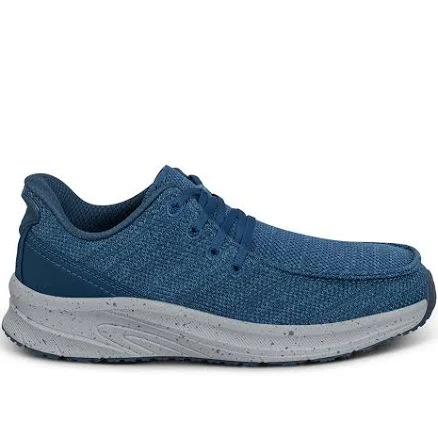
Sports Shoes, Mens Hands Free Shoes, Multi-Layer Cushioning, Men's Casual Shoes
No known PFAS risk, but brand lacks material transparency.
These sports shoes use standard cushioning materials with no disclosed water-resistant coatings. The brand makes no PFAS claims and provides minimal material details.
Still want this one anyway? Check the price on Amazon. We’d swap it.
Material
Fabric upper, cushioned midsole, likely polyurethane or EVA
Brand disclosure
Brand is silent on PFAS
Lab data
No public lab test
You may also be interested in
Top-graded picks in the categories readers replace first, every one scored on the same rubric.

- polypropylene filter housing, carbon/sediment cartridge
- We found no PFAS statement from the brand
- Bacterial growth in spent cartridges
3 hazards checked on this product, all on its full breakdown.

Aquasure
Premier Series 75 GPD Under Sink Reverse Osmosis Water Filtration System
- RO membrane, carbon filters, stainless steel housing
- We found no PFAS statement from the brand
- Bacterial and microbial growth in housing and filters
4 hazards checked on this product, all on its full breakdown.

Avocado
Vegan Mattress
- organic cotton, natural latex, coconut coir, recycled steel coils
- The brand calls it PFAS-free, which we have not verified
- Heavy metals
2 hazards checked on this product, all on its full breakdown.
What Sports Shoes, Mens Hands Free Casual Shoes is made of, ingredients and materials
These shoes feature a fabric upper (likely polyester or cotton blend) paired with cushioned midsole foam, typically polyurethane (PU) or ethylene-vinyl acetate (EVA). Fabric uppers are generally low-risk compared to synthetic leather, though polyester can be treated with dyes and finishing chemicals. The midsole foam provides comfort but can off-gas volatile organic compounds (VOCs) initially, especially in warm conditions, though this dissipates over time.
What’s concerning
No PFAS disclosure
No public statement from the brand about PFAS in this product.
Category baseline
The starting point for this type of product, before anything specific to this product is counted.
Volatile organic compounds (VOCs) from midsole foam
Polyurethane and EVA foams can release VOCs, particularly in warm environments. This is a common characteristic of cushioned footwear and is not specific to the brand. Off-gassing is temporary and non-toxic at consumer use levels but may cause odor or minor respiratory irritation in poorly ventilated spaces.
Microplastics
EVA and polyurethane foams break down with age and friction, potentially shedding microparticles. This is unavoidable in foam-cushioned footwear and accumulates gradually over the shoe's lifespan; replacement at recommended intervals minimizes exposure.
Source, EPA ↗What’s reassuring
Base material not linked to PFAS
The main material recorded for this product is not one associated with PFAS.
Azo dyes in fabric upper
No specific testing or complaints documented for this model. Fabric dyes in casual shoes are not typically regulated beyond general textile standards in most markets, but banned azo dyes are rare in established brands; no evidence suggests the brand uses prohibited dyes.
Formaldehyde / VOCs
Fabric wrinkle-resistance or water-repellent finishes can contain formaldehyde resins. The brand does not disclose finish treatments; no recalls or testing results are publicly available. Formaldehyde off-gassing typically diminishes after first wear and washing.
Source, ATSDR ↗Antimony in polyester fabric
Antimony trioxide is used as a polyester catalyst and can leach in small amounts, especially with sweat exposure. No specific testing or concerns have been raised for casual shoes. Antimony levels in finished textiles are generally low and not a documented health issue at normal wear.
How is this PFAS grade calculated?
The brand's record and disclosure
The brand is a footwear brand focused on orthopedic comfort but does not publicly disclose detailed material sourcing, chemical restrictions, or third-party safety certifications on their website or labels. No major safety recalls have been documented for this product line. The brand's silence on PFAS, azo dyes, or formaldehyde use means you cannot verify compliance with stricter material standards, though absence of disclosure is not evidence of hazard.
How it compares in its category
Men's casual athletic shoes in this price range typically use similar fabric and foam construction; The brand's cushioning design is marketed as medically-oriented rather than performance-focused. Competitors with transparent certifications (e.g., Bluesign, OEKO-TEX) offer better chemical assurance. However, most mass-market casual shoes lack formal material testing, making broadly typical rather than exceptional or problematic.
If you buy it
Air out new shoes in a well-ventilated space for 24-48 hours to reduce initial VOC off-gassing from the midsole. Machine wash fabric uppers gently in cold water if needed; avoid prolonged heat exposure (dryers, direct sunlight) that can accelerate foam degradation and chemical release. Replace midsole foam every 300-500 miles of wear or when cushioning noticeably compresses, as aged foam may shed microparticles. Store in a cool, dry location to slow polymer breakdown.
What is not known about PFAS in this product?
- Basis
- Model estimate, 55% confidence, not a lab result
- Lab test
- None on record for this exact product
- Brand statement
- has made none
Formulations change between production runs, so check the current label. How we grade.
More synthetic athletic insoles & orthotics grades
How we score, every product runs through the same public 0-100 rubric based on materials, coatings, brand disclosure, lab findings, and recalls. See the full methodology → Spotted a mistake? Report an error.