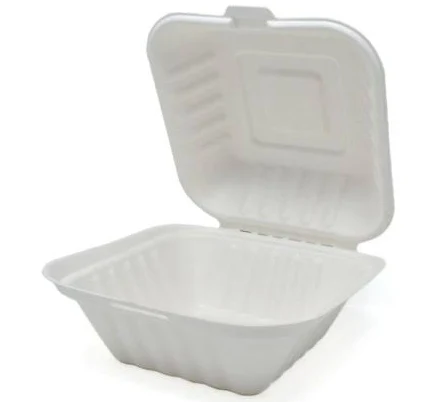
Sugarcane Clamshell Takeout Container
Lower concern; uncoated plant fiber rarely involves PFAS.
Sugarcane bagasse doesn't require waterproofing or grease barriers that drive PFAS use. No PFAS disclosure from the brand, but material type itself poses low risk.
We flunk more products than we pass. This one earned its grade. How we grade
Material
Sugarcane bagasse (fiber pulp)
Brand disclosure
Brand is silent on PFAS
Lab data
No public lab test
You may also be interested in
Top-graded picks in the categories readers replace first, every one scored on the same rubric.

- polypropylene filter housing, carbon/sediment cartridge
- We found no PFAS statement from the brand
- Bacterial growth in spent cartridges
3 hazards checked on this product, all on its full breakdown.

Aquasure
Premier Series 75 GPD Under Sink Reverse Osmosis Water Filtration System
- RO membrane, carbon filters, stainless steel housing
- We found no PFAS statement from the brand
- Bacterial and microbial growth in housing and filters
4 hazards checked on this product, all on its full breakdown.

Avocado
Vegan Mattress
- organic cotton, natural latex, coconut coir, recycled steel coils
- The brand calls it PFAS-free, which we have not verified
- Heavy metals
2 hazards checked on this product, all on its full breakdown.
What Sugarcane Clamshell Takeout Container is made of, ingredients and materials
Panera's clamshells are molded from sugarcane bagasse, the fibrous pulp byproduct left after juice extraction. Unlike polystyrene or PET plastic, bagasse is a cellulose-based material with no synthetic polymer matrix to degrade or leach chemicals into food. The material is typically shaped using heat and pressure without adhesive binders, making it mechanically stable for short-term food contact. No bleaching agents or heavy chemical treatments are standard in bagasse processing for foodware, reducing chemical exposure compared to bleached paper pulp.
What’s concerning
Category baseline
The starting point for this type of product, before anything specific to this product is counted.
No PFAS disclosure
No public statement from the brand about PFAS in this product.
Fiber particle migration into food
Bagasse is a natural cellulose fiber. While whole fibers are not toxic, repeated handling, heating, or aging can cause microscopic fiber detachment and contamination of moist or acidic foods (sauces, soups). This is a mechanical, not chemical, hazard but is unique to plant-fiber packaging.
Bacterial growth and mold if damp
The porous, hygroscopic nature of bagasse means moisture is absorbed into the material. Residual food moisture or environmental humidity can promote bacterial or mold growth on the interior surface, particularly if the container is sealed and left at room temperature for hours.
Heavy metals
If the clamshell carries printed branding or logos, those inks may contain heavy metals (cadmium, lead) or azo dyes. Panera's containers have minimal printing, but any direct ink-to-food contact area should be avoided. The extent of ink migration testing is not publicly available.
Source, FDA ↗What’s reassuring
Base material not linked to PFAS
The main material recorded for this product is not one associated with PFAS.
Bleach or processing chemical residues
Food-grade bagasse is typically processed with minimal chemical treatment. No published data on Panera's specific bagasse supplier or processing methods is available; however, residual bleach or hydrogen peroxide from whitening is possible in some commercial products. FDA migration testing for bagasse is not routinely disclosed.
Thermal degradation and off-gassing
Bagasse does not emit harmful volatile organic compounds when heated to normal serving temperatures (below 60°C). At high heat (oven or microwave), cellulose can char and release carbon-based compounds, but this is a safety concern for the user, not food contamination.
How is this PFAS grade calculated?
The brand's record and disclosure
Panera has not published detailed material sourcing or chemical disclosure statements for its bagasse packaging. The brand does not advertise third-party certifications (such as FDA compliance, compostability standards, or migration testing) for these containers on its website or packaging. Panera's broader sustainability messaging emphasizes compostability but does not address chemical safety or PFAS content. No recalls or safety complaints specific to Panera's bagasse containers are on record with the FDA or CPSC.
How it compares in its category
Sugarcane bagasse clamshells represent a lower-risk middle ground between virgin plastic takeout containers (which leach BPA or phthalates under heat) and heavily processed coated paperboard (which may contain fluorinated chemicals or mineral oils). They are more chemically inert than expanded polystyrene (Styrofoam) but offer less structural durability than rigid PET. Compostable plastic clamshells (PLA or PBAT) have similar chemical safety but require industrial composting and are not yet widely accepted in municipal programs.
If you buy it
Bagasse clamshells are designed for single, brief use; avoid reusing them for storage or repeated heating, as fiber degradation can allow small particles into food over time. Do not microwave or place in conventional ovens; bagasse softens above 50-60°C and may warp or release fibers. Store takeout in the clamshell only until transfer to durable dishware; do not leave food sitting for more than a few hours, as the porous surface can harbor bacteria if it becomes damp. Dispose in compost where available, or standard waste; bagasse is home-compostable in 30-60 days under moist conditions.
What is not known about PFAS in this product?
- Basis
- Model estimate, 78% confidence, not a lab result
- Lab test
- None on record for this exact product
- Brand statement
- has made none
Formulations change between production runs, so check the current label. How we grade.
What are the PFAS-free alternatives to Sugarcane Clamshell Takeout Container?
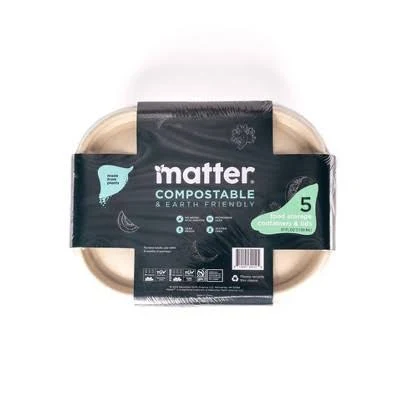
- Plant-based fiber pulp (compostable)
- A third party reports verifying it as PFAS-free
- Microbe/mold growth if stored damp
2 hazards checked on this product, all on its full breakdown.
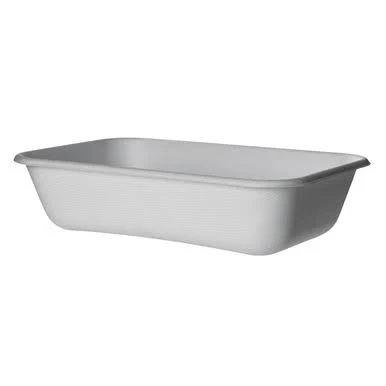
Eco-Products
Eco Products WorldView Compostable Take-Out Containers EP-SCRC32
- Plant-based fiber (compostable sugarcane bagasse)
- A third party reports verifying it as PFAS-free
- Bleaching agents and processing residues
3 hazards checked on this product, all on its full breakdown.
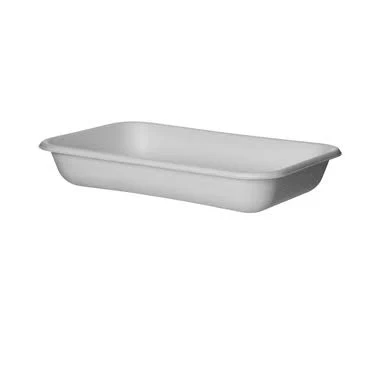
Eco-Products
WorldView Sugarcane Take-Out Containers
- Sugarcane bagasse (post-consumer fiber)
- A third party reports verifying it as PFAS-free
- Cellulose fiber degradation and food contact
2 hazards checked on this product, all on its full breakdown.
More food packaging grades
How we score, every product runs through the same public 0-100 rubric based on materials, coatings, brand disclosure, lab findings, and recalls. See the full methodology → Spotted a mistake? Report an error.