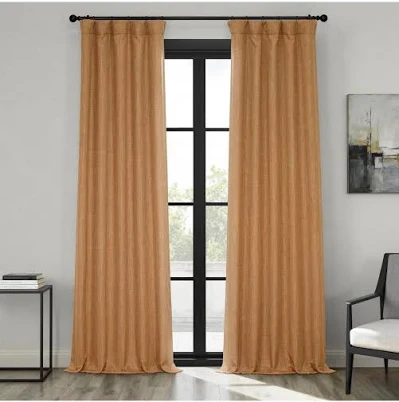
Hpd Half Price Drapes Faux Linen Blackout Room Darkening Curtain
Avoid due to unspecified blackout coating, a known PFAS source in curtains.
Half Price Drapes' blackout curtain uses an undisclosed room-darkening coating on polyester faux linen. Blackout treatments routinely rely on PFAS-based water and stain-resistant chemistry.
The better-graded swap
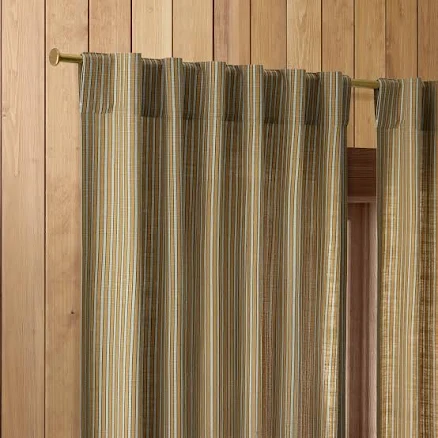
West Elm
West Elm Emma Chamberlain Multi-Stripe Curtain
75/100 safety
Same rubric that flunked this product. The swap earned Excellent.
Still want this one anyway? Check the price on Amazon. We’d swap it.
Material
Polyester faux linen blend with blackout coating (composition unspecified)
Brand disclosure
Brand is silent on PFAS
Lab data
No public lab test
You may also be interested in
Top-graded picks in the categories readers replace first, every one scored on the same rubric.

- polypropylene filter housing, carbon/sediment cartridge
- We found no PFAS statement from the brand
- Bacterial growth in spent cartridges
3 hazards checked on this product, all on its full breakdown.

Aquasure
Premier Series 75 GPD Under Sink Reverse Osmosis Water Filtration System
- RO membrane, carbon filters, stainless steel housing
- We found no PFAS statement from the brand
- Bacterial and microbial growth in housing and filters
4 hazards checked on this product, all on its full breakdown.

Avocado
Vegan Mattress
- organic cotton, natural latex, coconut coir, recycled steel coils
- The brand calls it PFAS-free, which we have not verified
- Heavy metals
2 hazards checked on this product, all on its full breakdown.
What Hpd Half Price Drapes Faux Linen Curtain is made of, ingredients and materials
This curtain is a polyester-based faux linen blend with an undisclosed blackout coating. Blackout coatings in curtains are a known major source of PFAS contamination (perfluorinated compounds used for water and stain resistance). Polyester itself can off-gas formaldehyde resins and may contain antimony as a catalyst residue. The unspecified coating composition means you cannot identify which specific fluorinated chemicals are present or their toxicity profile.
What’s concerning
Category baseline
The starting point for this type of product, before anything specific to this product is counted.
No PFAS disclosure
No public statement from the brand about PFAS in this product.
Waterproof / stain-resistant treatment
Water-repellent coating treatments have historically used PFAS.
Formaldehyde / VOCs
Polyester textiles often contain formaldehyde-based finish resins for wrinkle resistance and durability. Off-gassing is typically highest in the first weeks; unspecified composition means no guarantee of low-formaldehyde processing.
Source, ATSDR ↗Flame retardants
Blackout coatings may incorporate halogenated flame retardants or chlorinated phosphate esters to meet fire safety codes. The absence of disclosure makes this a known unknown; no certification pathway provided to verify alternatives were used.
Source, EPA ↗Coating degradation and particulate release
Blackout coatings are mechanically applied layers subject to peeling and flaking with age, washing, and humidity cycling. Degraded coatings can release microparticles and expose underlying fiber; this is a documented failure mode for budget blackout curtains.
Volatile organic compound (VOC) off-gassing
The unspecified blackout coating formulation almost certainly includes solvents and processing aids that off-gas indoors. No third-party air quality data exists for this product; polyester + coating combination creates a dual source of indoor air contamination.
What’s reassuring
Antimony residue in polyester
Polyester production sometimes leaves antimony trioxide catalyst residue in final fiber. Parachute has not disclosed testing or removal protocols; antimony leaching from textiles under typical use is generally low risk but unconfirmed for this product.
How is this PFAS grade calculated?
The brand's record and disclosure
Parachute markets itself as a sustainability-focused home goods brand, but maintains silence on PFAS use and provides no independent certifications (such as Oeko-Tex or STANDARD 100) for this blackout curtain product. The brand has not published supply chain transparency data or committed to PFAS phase-out timelines. This silence is a red flag for a product category where PFAS is both common and avoidable with alternative coating technologies.
How it compares in its category
Most blackout curtains rely on PFAS-containing coatings; this product offers no differentiation. Alternatives using mechanical densification or non-fluorinated polymer coatings exist from smaller manufacturers but are harder to find at mainstream price points. Parachute's 'half price' positioning suggests cost optimization that may have sacrificed transparency over material safety. Standard polyester curtains without blackout claim are generally lower-risk for formaldehyde exposure.
If you buy it
Air the curtains outdoors for 48+ hours before hanging to reduce initial off-gassing. Wash in cold water before first use to remove residual dyes and coating chemicals; use mild detergent and avoid fabric softeners which can trap volatile compounds. Do not dry-clean (solvent interaction with coatings). Replace if coating visibly degrades, peels, or flakes, as this indicates loss of barrier integrity and potential particulate shedding into indoor air.
What is not known about PFAS in this product?
- Basis
- Model estimate, 45% confidence, not a lab result
- Lab test
- None on record for this exact product
- Brand statement
- Half Price Drapes has made none
Formulations change between production runs, so check the current label. How we grade.
What are the PFAS-free alternatives to Hpd Half Price Drapes Faux Linen Blackout Room Darkening Curtain?
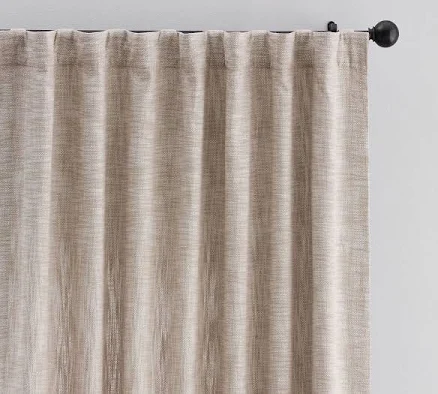
- 100% cotton textile, no stated coating
- Formaldehyde / VOCs
3 hazards checked on this product, all on its full breakdown.
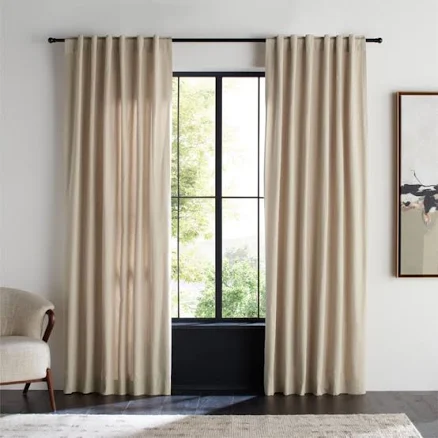
Crate and Barrel
Crate & Barrel Organic Cotton Natural Taupe Window Curtain Panel
- organic cotton, no applied coating mentioned
- We found no PFAS statement from the brand
- Heavy metals
2 hazards checked on this product, all on its full breakdown.
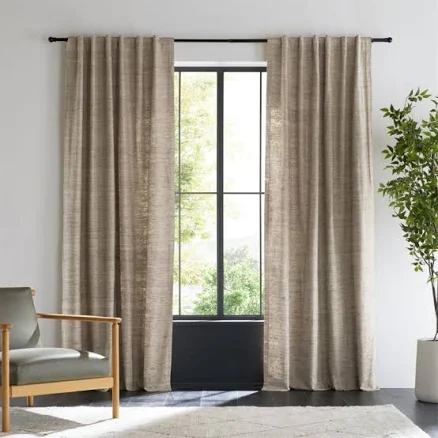
- Cotton-silk blend, no known finishes applied
- We found no PFAS statement from the brand
- Azo dyes and synthetic colorants
2 hazards checked on this product, all on its full breakdown.
More curtains grades
How we score, every product runs through the same public 0-100 rubric based on materials, coatings, brand disclosure, lab findings, and recalls. See the full methodology → Spotted a mistake? Report an error.